
Last updated November 16, 2026
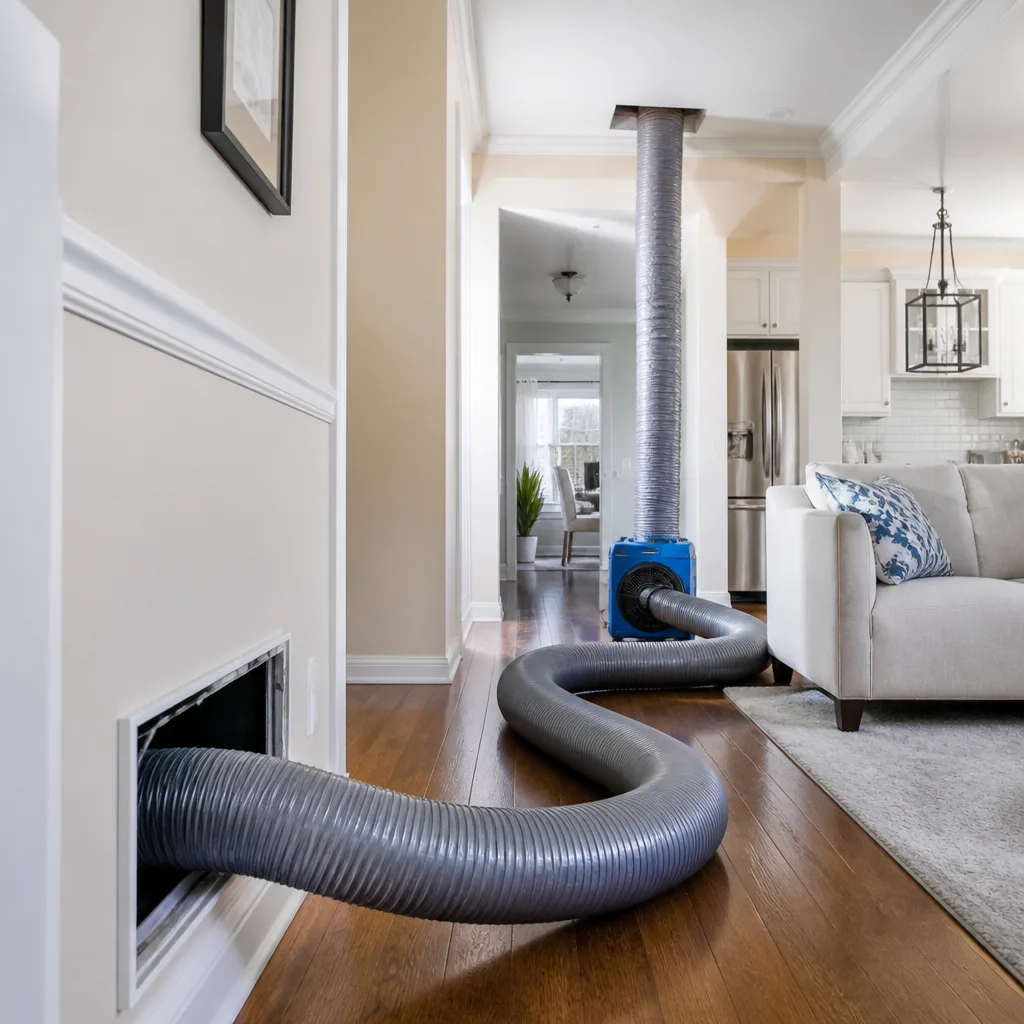 Whole-home duct cleaning
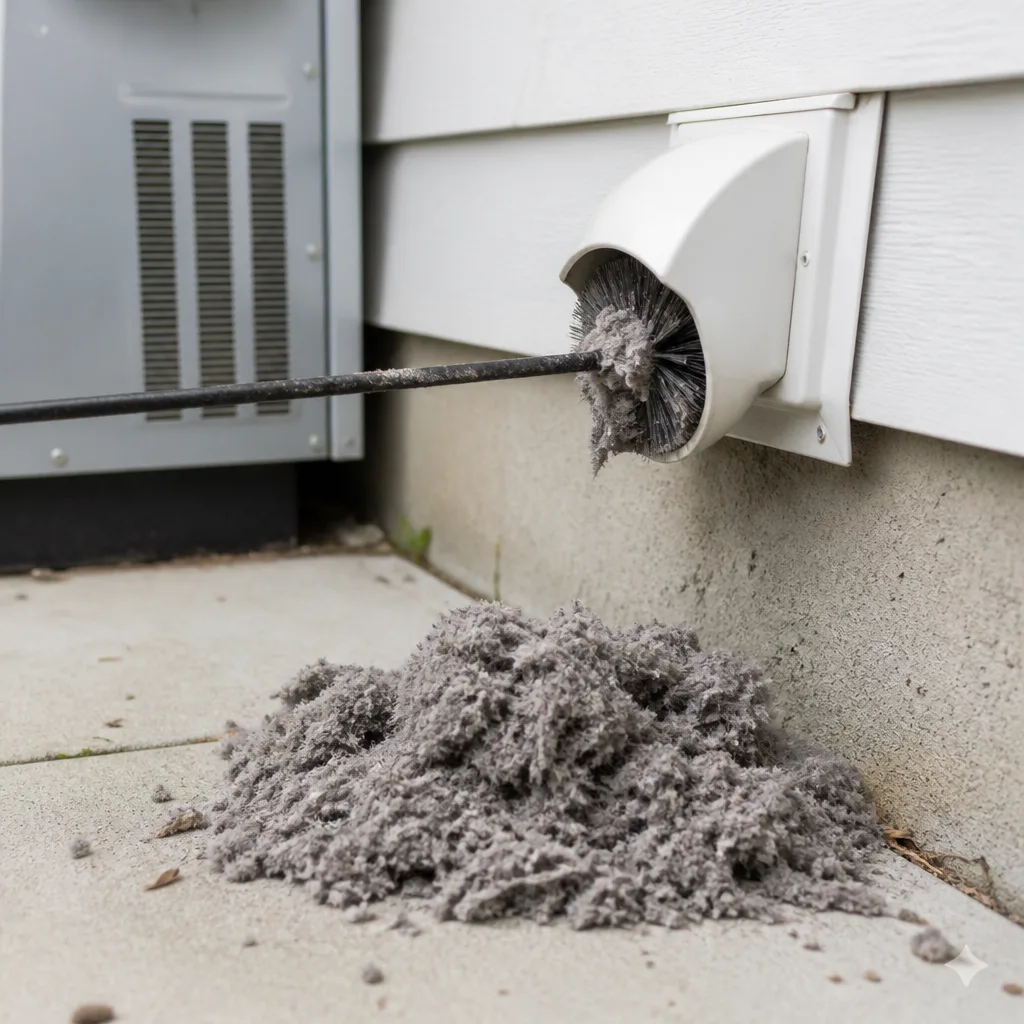 Dryer vent cleaning
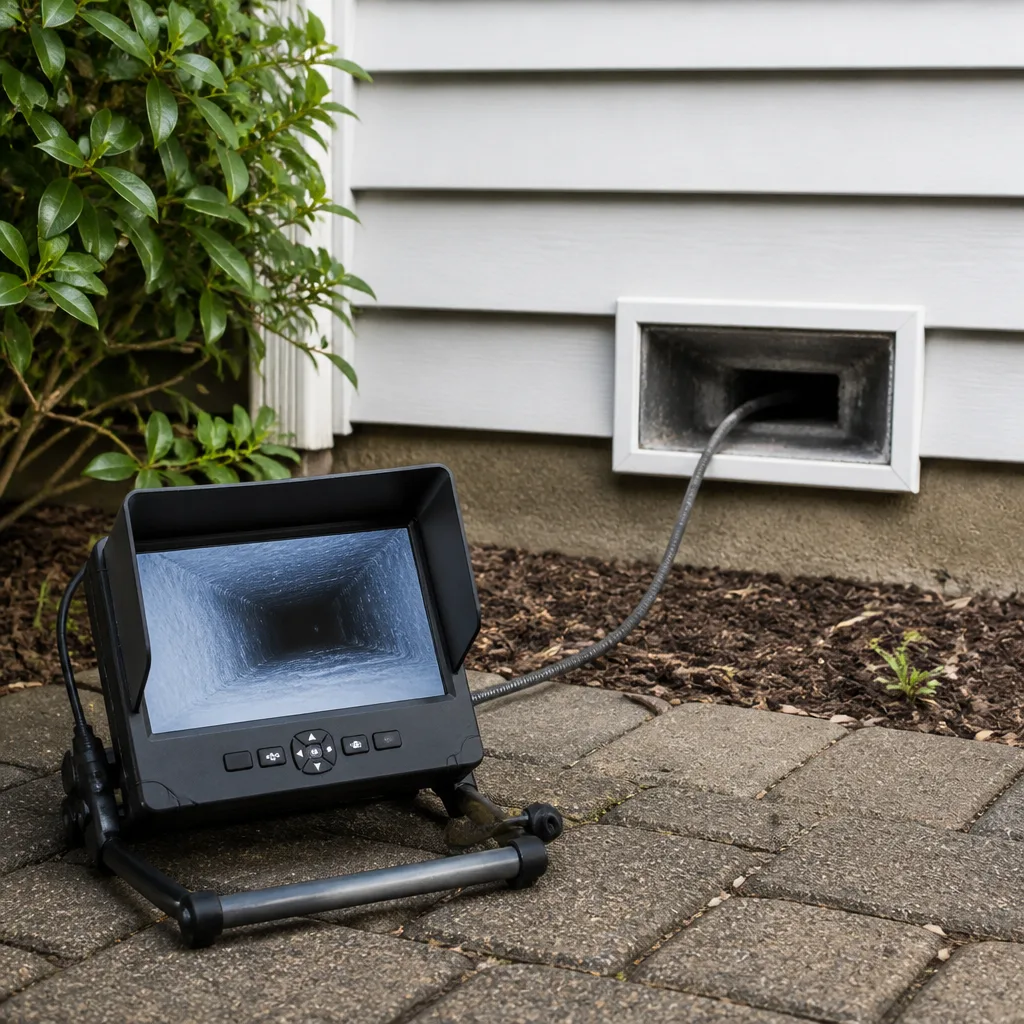 Camera inspection
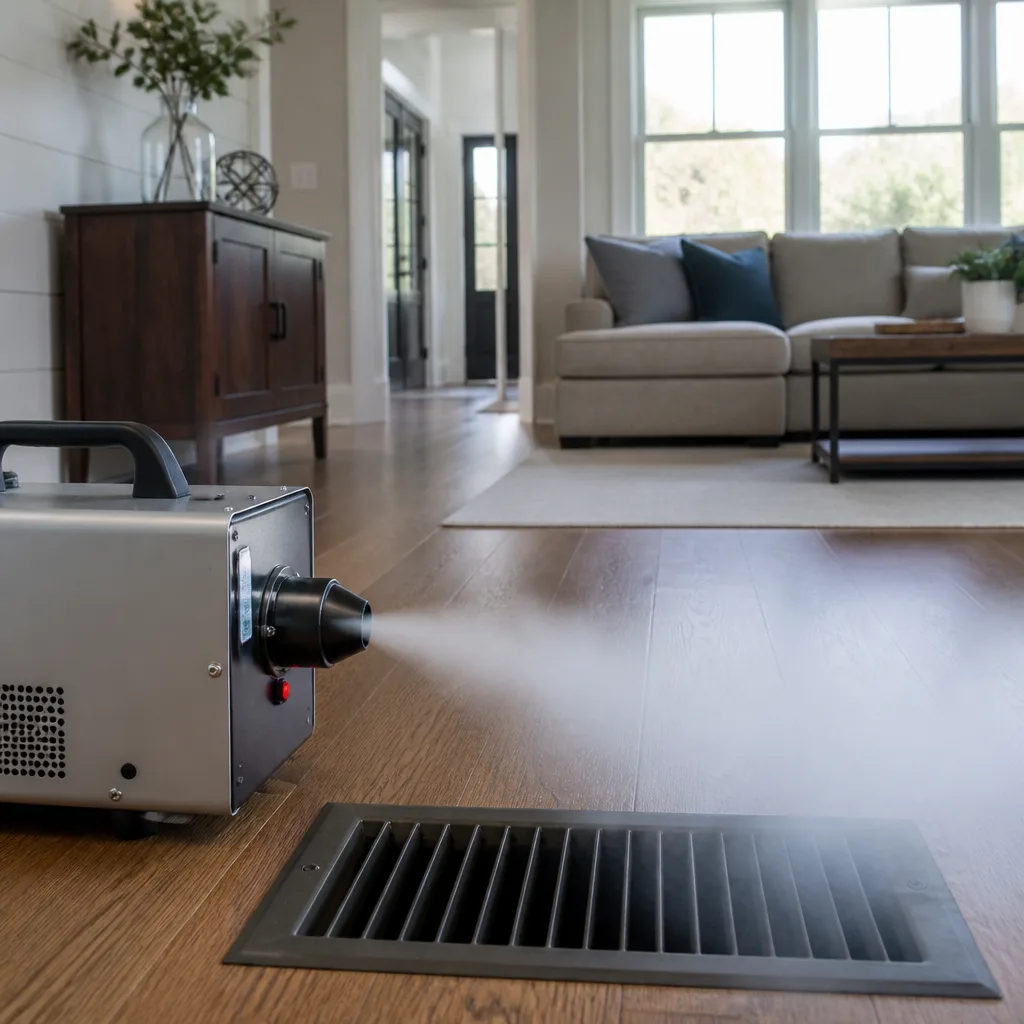 Sanitizing & deodorizing
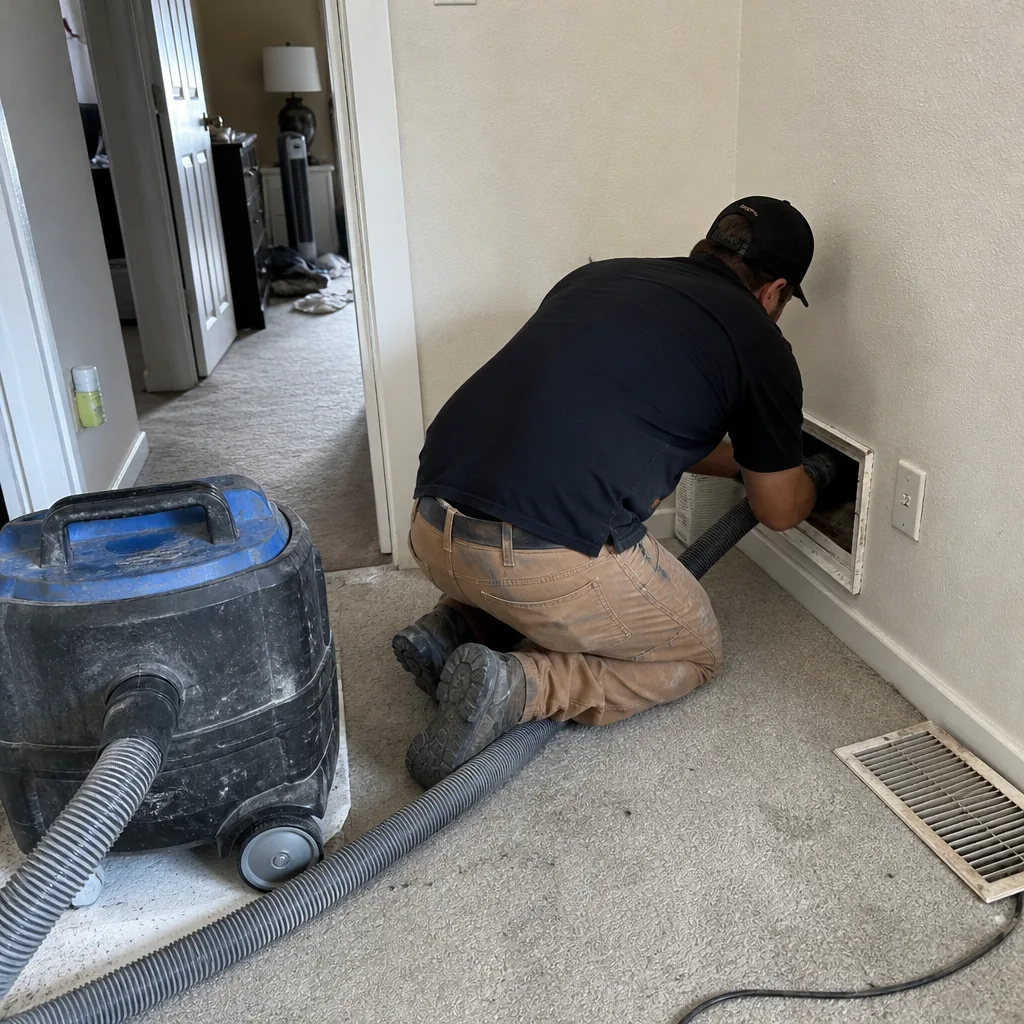
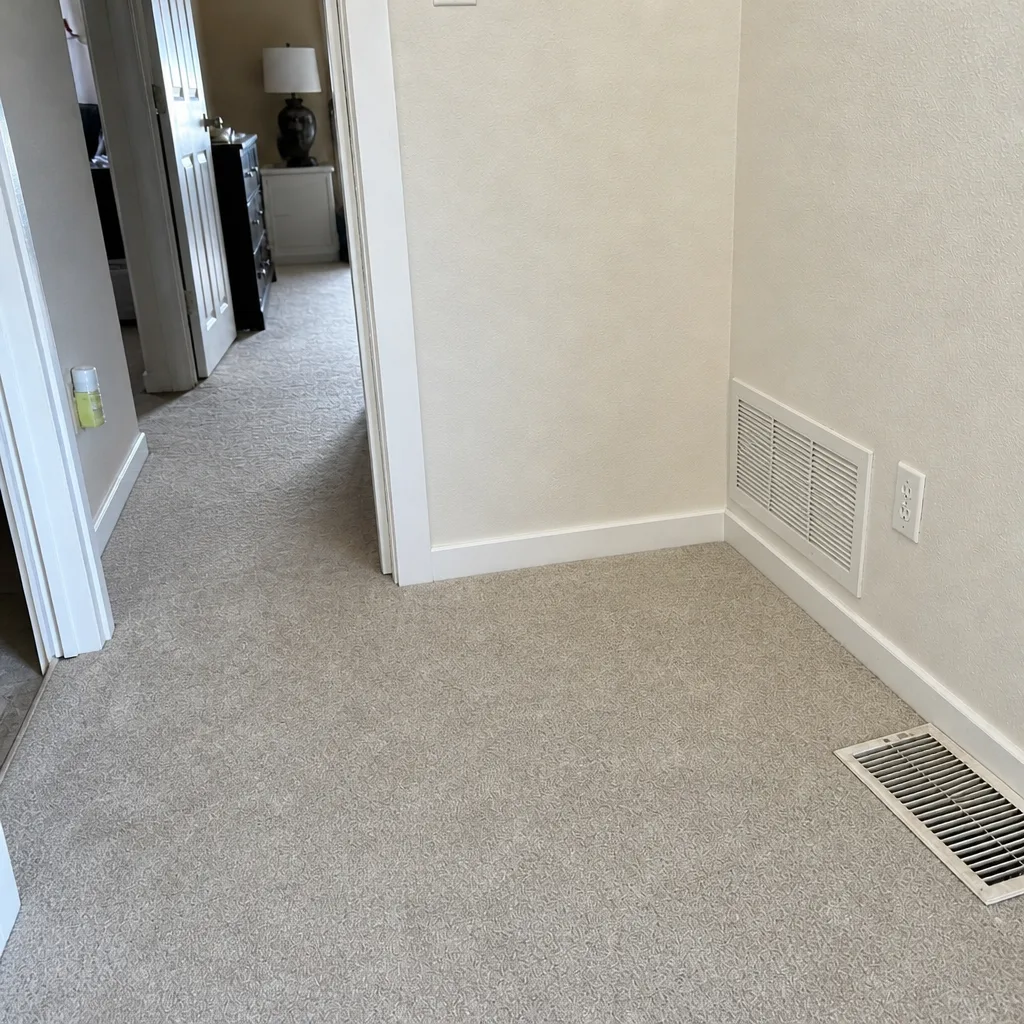
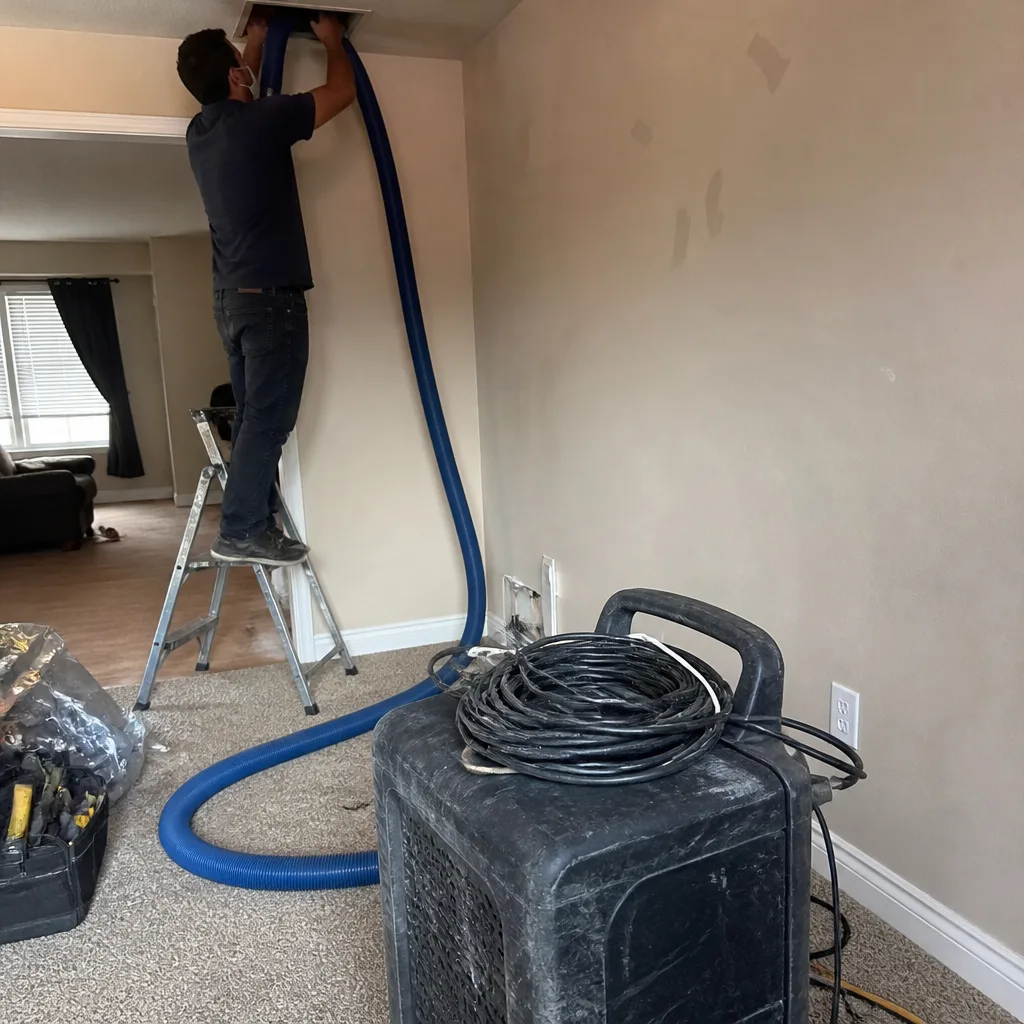
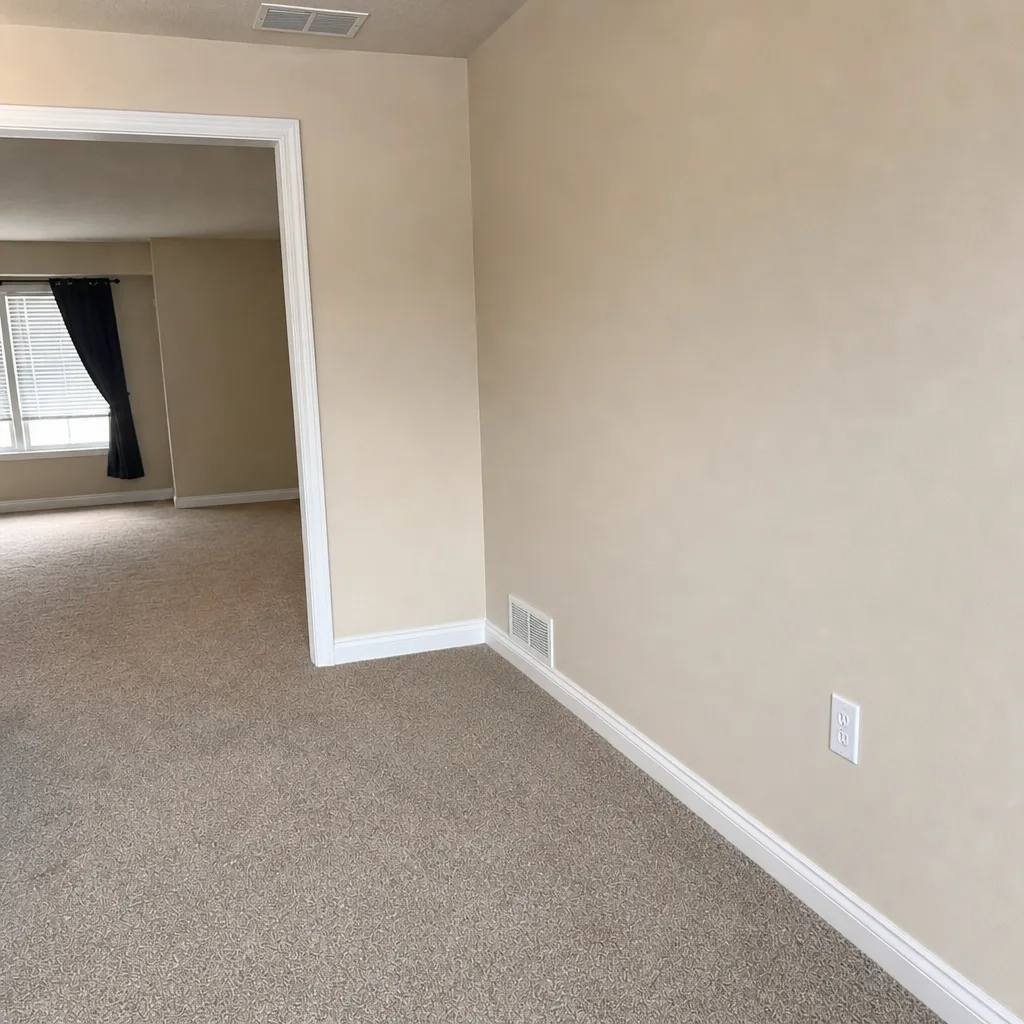
Whole-system duct and dryer vent check with before-and-after photos - you see exactly what came out of your vents
That "$99 whole-house special" is a bait ad - the real number appears once they are in your hallway, or the "clean" is a shop-vac at the register. We photograph the inside of your ducts before and after instead.
Air Duct Cleaning Maintenance Schedule: What to Do and When
The “every three to five years” rule you’ve probably read is not a maintenance plan. It’s a floor, and it was never written to fit your house. Two homes on the same Provo street can have wildly different duct schedules: one has two dogs and a recent kitchen remodel, the other is a quiet empty-nesters’ place with a well-sealed return system. Treating them the same is how people end up either cleaning too often or waiting years past the point where their ducts needed attention. This guide builds you an actual calendar from the variables that matter, explains what to do between professional cleanings, and shows you how to read your own filter as an early warning system. If you want the short version first, it’s below.
Quick Answer
Most Provo homes should schedule a professional air duct cleaning every three to five years, but that baseline shifts based on pets, smoking, recent construction, allergy sufferers in the home, and the age of your HVAC system. Homes with heavy shedding pets or recent renovations often benefit from a lighter maintenance cleaning every two to three years, while a low-pet, low-dust household can stretch toward five. Use the variables below to set your schedule, then use your filter as the check: if a filter clogs in under 60 days, your ducts are loading faster than your calendar assumes.
Styles & brands we work with
- Whole-home duct cleaning
- Dryer vent cleaning
- Camera inspection
- Sanitizing & deodorizing
Table of Contents
- Why the “Every 3 to 5 Years” Rule Is a Starting Line, Not a Finish Line
- The Variables That Reset Your Schedule
- Building Your Interval: A Step-by-Step Calculator
- Filters and Registers: What to Do Between Professional Cleanings
- Provo-Specific Factors: Wildfire Smoke and the Inversion Layer
- Your HVAC Filter as a Leading Indicator
- Maintenance Clean vs. Remediation Clean: When Each Applies
- When Cleaning Isn’t the Answer: Duct Repair
Why the “Every 3 to 5 Years” Rule Is a Starting Line, Not a Finish Line
The EPA’s guidance on duct cleaning frequency is often quoted as if it were a doctor’s prescription: clean every three to five years, no exceptions, no adjustments. But read the actual language and it’s clear the guidance is conditional. The agency says there’s no evidence that duct cleaning on a fixed schedule consistently improves health, and it recommends cleaning when there’s a specific reason: visible mold, vermin, debris clogging the system, or a home where ducts have never been cleaned and are visibly dirty. The three-to-five year figure is a sensible default for a typical household with no special circumstances. It doesn’t know about your pets, your renovation, or the inversion layer that settles over Utah Valley each winter.
That’s the gap this guide fills. Rather than handing you a universal number, we’re giving you the framework we use when we assess a home in Provo: what to look at, what each variable does to the timeline, and how to know when the schedule needs to tighten or loosen. If you want the full picture of what a professional cleaning actually involves on the equipment side, our air duct cleaning page covers the Rotobrush and Nikro contact-cleaning process in detail.
One thing worth clearing up: “cleaning on a schedule” and “cleaning on a hunch” are different things. A schedule built on real variables (pets, occupancy, renovations, local air quality) protects you from both over-spending and under-maintaining. A hunch means you call when the smell gets bad or the allergies flare, which is usually 12 to 18 months after the ducts actually crossed the line. Build the schedule now and you mostly avoid the emergency call later.
The Variables That Reset Your Schedule
Six factors actually move the needle on how fast your ducts load up. Each one pushes the baseline (three to five years) in a specific direction, and most homes have two or three of these stacked at once. Here’s how we weight them in a typical Provo assessment.
Pets
One shedding dog or two cats typically shaves a full year off the baseline, moving an otherwise normal household down to a two-to-four year schedule. Heavy-shedding breeds or multiple large dogs can compress it further. Pet dander and hair don’t just sit in the ducts as visible debris; the finer particulate gets pulled into the return air and coats the inside of the ductwork, which is why pet-odor homes need the contact agitation that Rotobrush equipment provides rather than a surface vacuum.
Smoking Indoors
Any indoor smoking, including vaping, is a strong schedule-compressor. The sticky residue from tobacco smoke collects on duct walls and register grilles and is harder to remove the longer it sits. Homes with indoor smoking benefit from a professional clean every two years, and the job typically takes longer per vent because the residue needs more contact passes.
Recent Construction or Renovation
Drywall dust, sawdust, and construction particulate move through the entire HVAC system during a remodel, even when the crew seals off the work area. If you’ve had a kitchen remodel, a basement finish, or a full renovation in the past 12 months, the ducts should be cleaned once the dust has fully settled, then the regular schedule resumes from that date. Recently purchased homes fall into a similar category: you don’t know what the previous owner did, so a baseline clean-and-inspect is worth doing before you settle into a schedule.
Allergy and Respiratory Sufferers
If anyone in the home deals with asthma, seasonal allergies, or other respiratory sensitivity, tightening the schedule to every two to three years is common, and pairing it with an upgraded filter in the HVAC system so you’re not just cleaning the ducts but also slowing the rate of recontamination between cleanings. Families with young children or older adults in the home often take the same approach for the same reason: less accumulated particulate in the return air means less of it circulating in the rooms where people spend the most time.
Age and Condition of the HVAC System
Older systems tend to have more gaps, older flex duct, and more accumulated buildup than a newer install. If your system is more than 15 years old and hasn’t been cleaned regularly, the first cleaning is best treated as a deeper job, then you start the regular schedule from that point. Systems with known leaks or disconnected runs should be repaired before or alongside cleaning; otherwise dust just re-enters through the gap on day one. That’s why we treat air duct repair as a closely paired service rather than an afterthought.
Occupancy and House Size
More people living in a home means more dust shed, more cooking particulate, and more filter loading. A large household in a smaller house runs through filters faster than a two-person home of the same square footage. That’s an easy variable to miss because it doesn’t show up on an equipment inspection, but it absolutely affects the calendar.
Building Your Interval: A Step-by-Step Calculator
Here’s how to combine the variables above into an actual number. Grab a piece of paper and walk through it once; you’ll end up with a starting interval you can adjust as you watch how your filter behaves between cleanings.
- Start at 4 years. This is the midpoint of the standard three-to-five year range and a sensible baseline for a typical Provo home with no special circumstances.
- Subtract 1 year if you have one shedding pet. Subtract 2 years for multiple pets or a heavy-shedding breed.
- Subtract 1 year if anyone smokes indoors. No exceptions here; the residue compounds faster than most people expect.
- Reset to a fresh clean if you’ve had a renovation or recently purchased the home. Do a baseline clean, then start your interval from that date.
- Subtract 1 year if anyone in the home has asthma, significant allergies, or is very young or elderly. Tightening the schedule is the low-risk choice.
- Subtract 1 year if your HVAC system is over 15 years old or has visible leaks. Also plan to have the leaks repaired; cleaning around a gap just delays the next cleaning.
- Subtract 1 year if 4 or more people live in the home. More people, more dust.
- Floor it at 2 years. Below that, we’re usually talking about a specific trigger event (see the maintenance vs. remediation section) rather than a routine schedule.
If you land at two years or under, that’s fine; it just means your home has real loading pressure, and a maintenance clean at that cadence will cost less each time than waiting until a heavier remediation clean is required. If you land at four or five years, watch your filter for the first six months and adjust up if it stays clean well past 90 days.
Filters and Registers: What to Do Between Professional Cleanings
The work you do between cleanings matters as much as the cleaning itself. A well-chosen filter and a clean register grille can extend your professional cleaning interval by a year or more. A badly chosen filter can shorten it, restrict airflow, and put strain on your blower. Here’s the practical routine.
Match the Filter to the System, Not the Marketing
Higher MERV is not automatically better. Many residential systems are limited by blower capacity, and a filter that’s too restrictive for the equipment will trigger short cycling or frozen coils in the summer. A MERV 8 to MERV 11 filter is the common sweet spot for a typical Provo home. If someone in the house has serious allergies, MERV 11 to MERV 13 is worth discussing with an HVAC technician who can confirm your blower can handle it. Whole-home air quality systems from brands like Aprilaire are designed to work with specific filter grades; if your home has one of these components installed, use the filter spec the system calls for rather than guessing.
Change on a Schedule, Not on a Whim
Set a reminder at 90 days and adjust from there. Homes with pets, heavy occupancy, or active construction often need a change at 60 days. Homes with low dust and no pets can stretch to 120 days. The point is to build the change into your calendar the same way you would an oil change: predictable, not reactive.
Register Grilles Need Attention Too
The metal or plastic grille over each supply register collects more visible dust than the duct behind it, because it’s the first thing room air hits. Wipe each grille with a damp cloth every few months, and if a grille is warped, missing dampers, or not seated flush with the drywall, address that too; a poorly seated register pulls dust from the wall cavity into the room every time the system runs. Return grilles, which are typically larger, need the same treatment.
Consider a Pre-Filter
If your main filter loads quickly, a low-cost pre-filter in front of it catches the large particulate before it reaches the main filter and extends the life of both.
If your home has integrated air quality components (Honeywell or Aprilaire are the two most common brands we work with), cleaning the ducts without servicing those components leaves a gap. Our technicians are trained on these systems and clean around them rather than skipping them.
Provo-Specific Factors: Wildfire Smoke and the Inversion Layer
Homes in Provo sit in Utah Valley, which means two local air quality patterns affect return-air contamination in ways that a national “every three to five years” guideline can’t account for.
The first is wildfire smoke season. When smoke from regional fires drifts into the valley, the fine particulate that gives the air its haze gets pulled into every home’s HVAC system through the returns. A single heavy smoke season can load a filter that would normally last 90 days in 30, and much of the finest particulate bypasses the filter altogether and settles on the duct walls. Homes that experienced a heavy smoke season often find their ducts visibly dirtier the following spring, even without pets or construction. If you had multiple high-smoke days the previous summer, tightening your cleaning interval by a year is reasonable.
The second is the winter inversion. Utah Valley is a bowl, and in the colder months, cold air gets trapped under a warmer layer, holding vehicle exhaust, wood smoke, and other particulate close to the ground for days at a time. During a multi-day inversion, your system is pulling that concentrated particulate into the return air every hour the furnace runs. It doesn’t leave a visible stain like construction dust, but it does load the ducts. Homes in the lower parts of Provo, closer to the valley floor, tend to accumulate more of it than homes up on the east bench where the air turns over more readily.
The practical takeaway: your Provo schedule should assume some local loading even in a household that would otherwise be a five-year case. Watching your filter during a heavy smoke season or a long inversion is the fastest way to see this in your own home.
Your HVAC Filter as a Leading Indicator
Your filter tells you how your duct schedule is doing. You just have to look at it at the right moments. Here’s what a filter typically looks like at 30, 60, and 90 days in a Provo home, and what each picture says about your interval.
At 30 Days
A lightly gray but still translucent filter is normal and means your baseline is well-calibrated. A filter that’s already visibly dark or clogged at 30 days is a strong signal that your ducts are loading fast and your cleaning interval should be tightened by at least a year. It also means you’re paying for that restriction in HVAC energy costs, since a clogged filter makes the blower work harder.
At 60 Days
Moderate gray with visible dust loading on the face is normal for a household with one pet or a couple of kids. If the filter is visibly matted or you can see heavy buildup without holding it up to the light, that’s the second half of the warning sign and your interval should tighten.
At 90 Days
If a 90-day-old filter still shows mostly transparent media and only light gray, your ducts are clean enough that you can consider extending the schedule out a year toward the five-year end of the range. If a 90-day-old filter is heavy and clogged, your baseline is off and the schedule needs to come down.
The Third Variable: What’s in the Ducts, Not Just on the Filter
If your filter loads quickly but the duct interior is clean, you have a filtration problem (the filter is doing its job too well and catching everything). If the filter loads quickly and the ducts are also dirty, you have a duct problem and the schedule needs to tighten. A professional inspection at your next cleaning tells you which. We routinely see this in Provo homes after a heavy smoke or inversion season: the filter clogs, homeowners change it and assume the ducts are fine, and a year later the ducts are visibly loaded.
Maintenance Clean vs. Remediation Clean: When Each Applies
Not every cleaning is the same job. Building the right schedule means understanding the difference between a routine maintenance clean and a deeper remediation clean, because the two are triggered differently and the cash outlay is different.
Maintenance Clean
A maintenance clean is the routine job you schedule on your interval. It covers the supply and return runs, the registers, and the main trunk, and it addresses the normal accumulation of dust and debris from living in a home. It’s the lighter of the two jobs and usually a shorter visit. Most Provo homes on a two-to-five year schedule are in this category.
Remediation Clean
A remediation clean is triggered by an event: a renovation, a water intrusion episode, mold growth, a vermin infestation, or a home where the ducts have never been cleaned and are heavily contaminated. Remediation usually requires containment (negative air pressure so contaminants don’t migrate into the living space) and a deeper level of extraction and disinfection. This is where the tooling matters: the Abatement Technologies negative-air and containment systems we use are the same standard used in professional remediation, and they’re what make a real remediation job distinguishable from a heavy maintenance clean. A cheaper service without containment can make a mold or vermin situation worse by spreading spores or debris through the living space.
How to Tell Which You Need
- Visible mold inside the ducts or growing near registers: remediation.
- Recent renovation or newly purchased home with unknown duct history: baseline remediation or a deep clean, then resume maintenance.
- Persistent musty odor even after filter changes: inspect for mold or moisture and lean remediation.
- Rodent droppings, dead insects, or visible debris in registers: remediation.
- No visible issues, routine filter changes, no recent events: maintenance clean on schedule.
- Airflow noticeably reduced at registers throughout the house: inspect for a duct issue before assuming cleaning will fix it (see the next section).
When Cleaning Isn’t the Answer: Duct Repair
Some of the “my house is always dusty” cases in Provo aren’t cleaning problems at all. They’re structural: a disconnected flex run in the attic, a crushed duct in a tight crawlspace, a boot that’s no longer sealed to the subfloor, or a main trunk joint that’s pulled apart. Cleaning a system with those issues makes the ducts look better for a few weeks and then the dust comes right back through the gap.
That’s why we offer air duct repair as a standalone service alongside cleaning. A repair-first approach is usually the right call when:
- One or more rooms never get the airflow the rest of the house gets, even after a cleaning.
- You can hear air whistling or feel air blowing at a joint during system operation.
- An energy bill jumped without an obvious cause (disconnected ducts in an unconditioned attic are a common culprit).
- You’ve had a recent remodel where a subcontractor may have shifted or crushed a duct run.
The right rhythm for most Provo homes is: repair first if there’s a leak, then clean, then maintain. Cleaning a leaking system effectively doubles the workload, because you’re pulling dust out while the gap keeps feeding more in.
One service worth pairing with any duct maintenance plan is dryer vent cleaning. It’s not part of your HVAC duct system, but it’s the other ventilation system in the house and a documented fire-safety concern when lint builds up. If you’re already scheduling a duct maintenance clean, adding a dryer vent service is a sensible rhythm-keeper.
Common Mistakes to Avoid
- Treating the three-to-five year rule as gospel. It’s a starting point for a normal home, not a plan for yours. Two households on the same Provo block can have very different schedules.
- Skipping the filter change because you plan to clean the ducts soon. A clogged filter is choking your blower right now and driving up energy costs. Change it on schedule whether or not a cleaning is coming.
- Choosing the lowest bid without asking what equipment is used. A lightweight portable vacuum with a brush on a stick does not achieve the same result as a Rotobrush contact-cleaning system with negative air pressure. Ask specifically what equipment will be on site.
- Cleaning before repairing a known duct leak. You’ll pay for the same dust twice. Fix the leak first.
- Overlooking the return air side. Return ducts and grilles carry as much or more contamination than supply ducts, and a cheap job often skips them entirely.
- Assuming chemical fogging or “sanitizing” replaces actual cleaning. Fogging a dirty duct leaves a cleaner-smelling dirty duct. Contact agitation and extraction is what actually removes the debris.
- Ignoring a heavy wildfire smoke season. If you had weeks of smoke in the valley, plan to inspect and likely clean sooner than your calendar says. Smoke particulate doesn’t leave a visible trace the way construction dust does.
See the difference
 Before
 After
 Before
 After
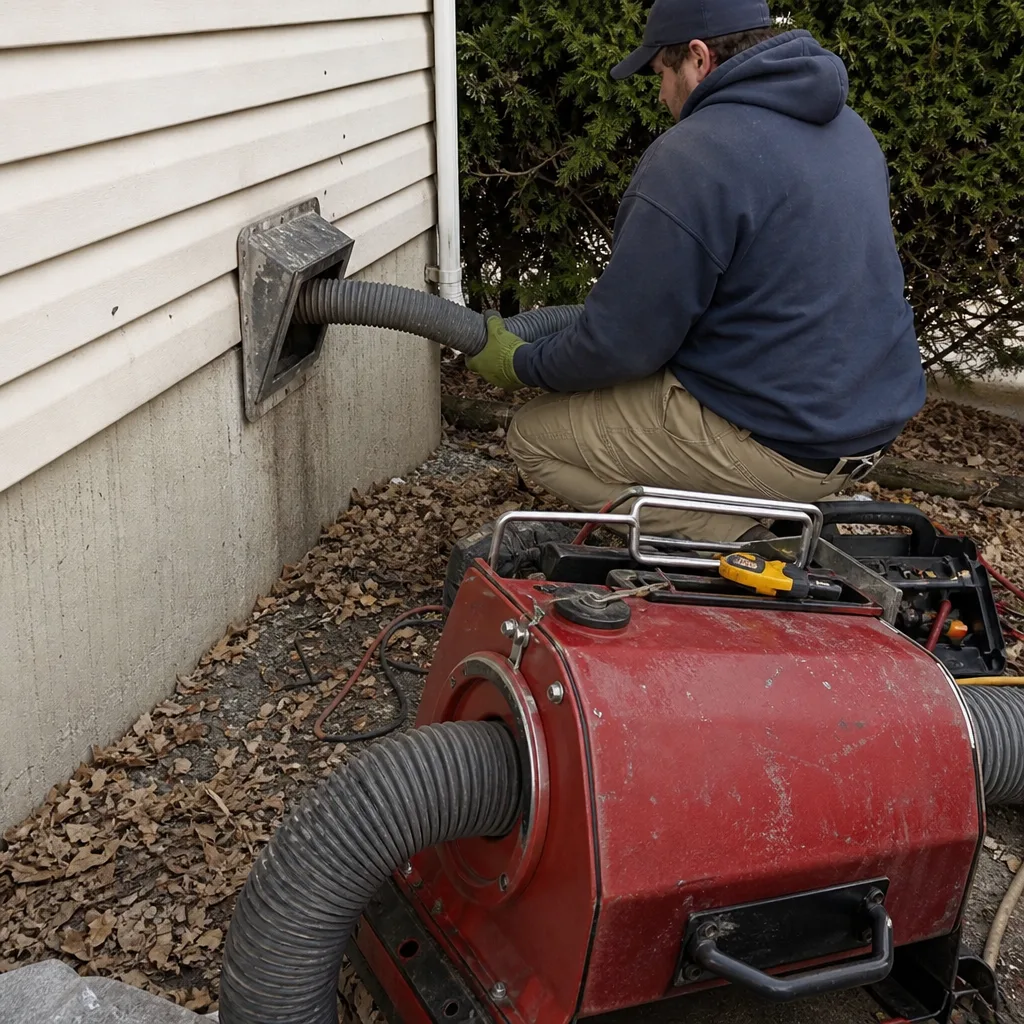 Before
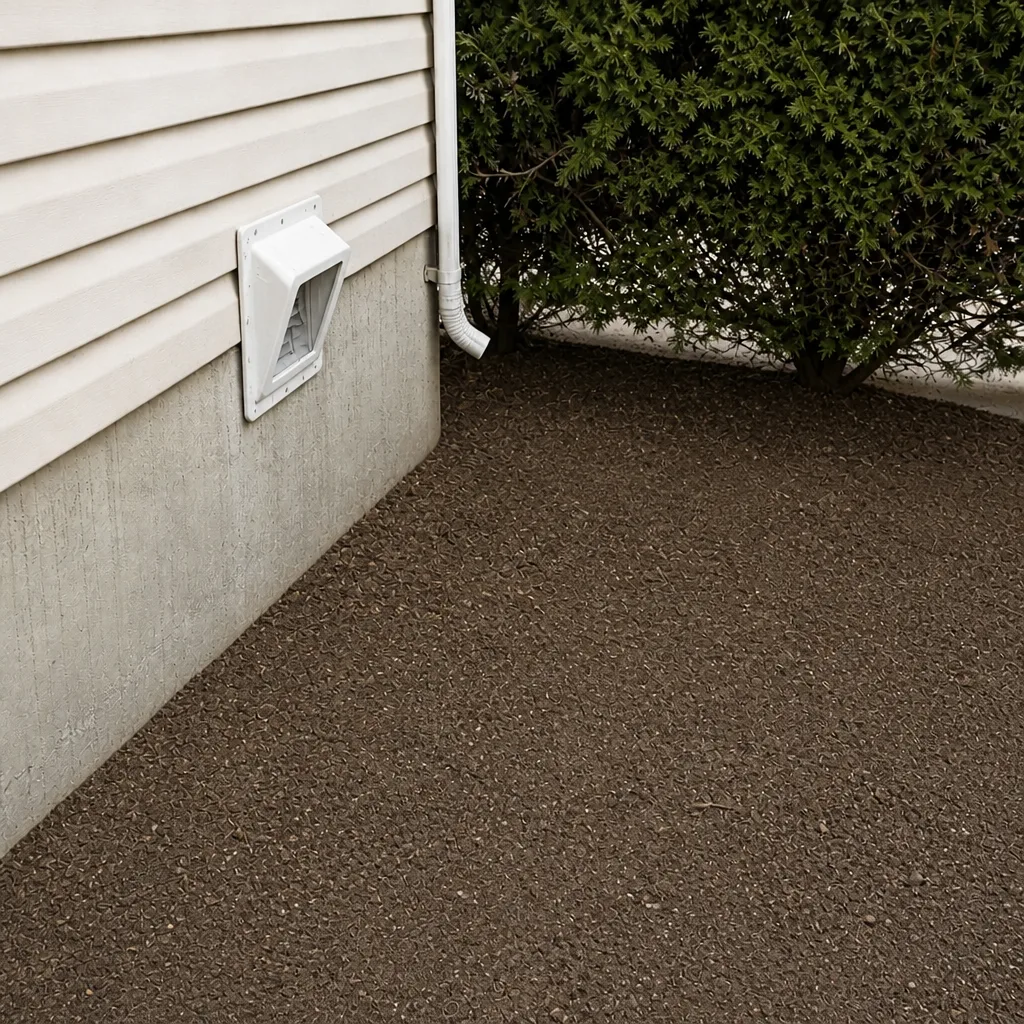 After
When to Call a Professional
Call for a professional assessment when any of these are true: visible mold or musty odor from a register, a recent renovation, a newly purchased home with unknown duct history, persistent allergy symptoms in a household where the filter is being changed on schedule, reduced airflow to one or more rooms, or a system that hasn’t been cleaned in five or more years. Also call if your filter is loading faster than 60 days, if you hear whistling at a duct joint, or if you had a heavy wildfire smoke season the previous summer. A quick inspection will tell you whether you’re looking at a scheduled maintenance clean, a remediation job, or a repair-first situation.
Duct Cleaning Provo offers free estimates in Provo. Call (877) 798-7857. We answer 24/7. Fast dispatch from 7am to 7pm, Sunday through Friday. Our technicians have up to experience, and we work with the same professional-grade Rotobrush and Abatement Technologies equipment remediation contractors trust, so the estimate reflects the actual job rather than a coupon window.
Frequently Asked Questions
Most Provo homes should plan on a professional air duct cleaning every three to five years, adjusted for pets, indoor smoking, recent renovations, allergy sufferers, and the age of the HVAC system. Homes with heavy pet shedding or a recent remodel often benefit from a maintenance clean every two to three years. Use your filter as the check: if it’s clogging in under 60 days, tighten the schedule. Call (877) 798-7857 for a free estimate.
Not as a universal prescription. The EPA’s guidance recommends cleaning when there’s a specific reason (visible mold, vermin, debris clogging the system, or a system that’s never been cleaned and is visibly dirty), and the three-to-five year range is a sensible default for a typical home, not a rule. Build your own schedule from the variables that apply to your household. Call (877) 798-7857 if you want help sizing the interval for your home.
Yes. Utah Valley’s winter inversion holds particulate close to the ground for days at a time, and wildfire smoke seasons push fine particulate into every home’s return air. Either pattern loads ducts faster than a national average would suggest. If you had a heavy smoke season or a long inversion over the winter, plan to inspect and likely clean sooner than your calendar says. Call (877) 798-7857 for an inspection.
A maintenance clean is the routine job on your interval: supply and return runs, registers, and main trunk, addressing normal dust accumulation. A remediation clean is triggered by an event (renovation, water intrusion, mold, vermin, or heavily contaminated ducts never cleaned) and requires containment and negative air pressure so contaminants don’t migrate into the living space. The Abatement Technologies equipment we use is the standard in professional remediation. Call (877) 798-7857 to discuss which you need.
If one or more rooms never get proper airflow, if you hear whistling at a duct joint, or if your energy bill jumped without explanation, the problem is likely duct damage (a disconnected run, a crushed duct, an unsealed boot) rather than cleaning. Repair first, then clean. Call (877) 798-7857 for a free estimate that includes an inspection to identify the right service.
To a degree, yes. A well-chosen filter changed on schedule (MERV 8 to MERV 11 for most Provo homes, higher only if the blower can handle it) reduces how much particulate reaches the duct walls and can stretch your professional cleaning interval by roughly a year. It doesn’t replace the cleaning itself, since filter bypass and fine particulate still accumulate in the ducts over time. Call (877) 798-7857 for advice specific to your system.
The Bottom Line
Your duct cleaning schedule should be built from your home, not borrowed from a national average. Start at four years, subtract for pets, indoor smoking, renovations, allergy sufferers, system age, and household size, then watch your filter at 30, 60, and 90 days to see if the number is calibrated. Provo homes carry extra loading from inversion-season particulate and wildfire smoke, so lean toward the tighter end of the range when in doubt. Between cleanings, keep the filter fresh and the register grilles wiped. If there’s a repair needed, do that first, whether you’re in Provo or nearby; our Duct Cleaning Provo team covers maintenance, remediation, and repair under one roof so you’re not coordinating three contractors. And if your schedule says it’s time, book an estimate rather than waiting for the smell.
Call (877) 798-7857 for a free estimate. We answer 24/7. Fast dispatch from 7am to 7pm, Sunday through Friday. Our technicians have up to experience and use professional-grade Rotobrush, Nikro, and Abatement Technologies equipment, so you get a written estimate per job with no surprises.
Written by the team at Duct Cleaning Provo.