
Last updated November 16, 2026
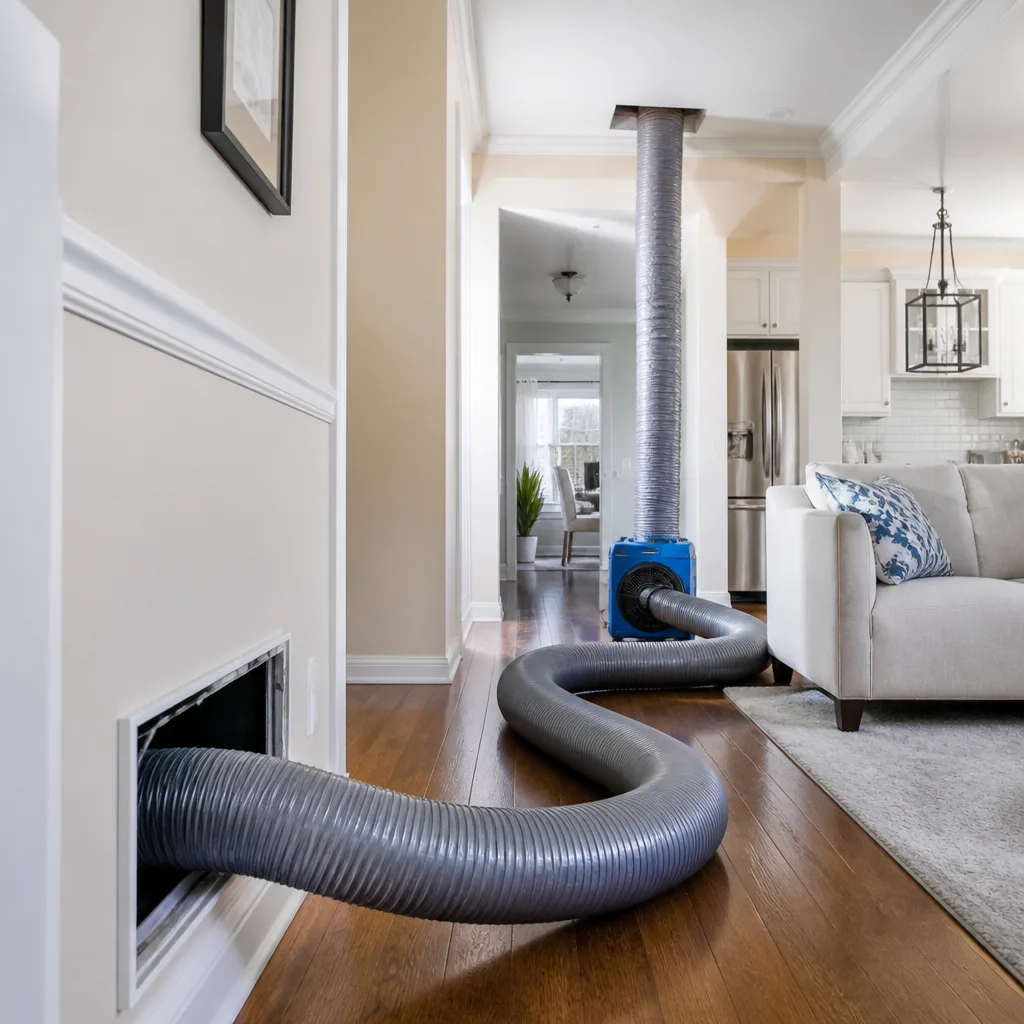 Whole-home duct cleaning
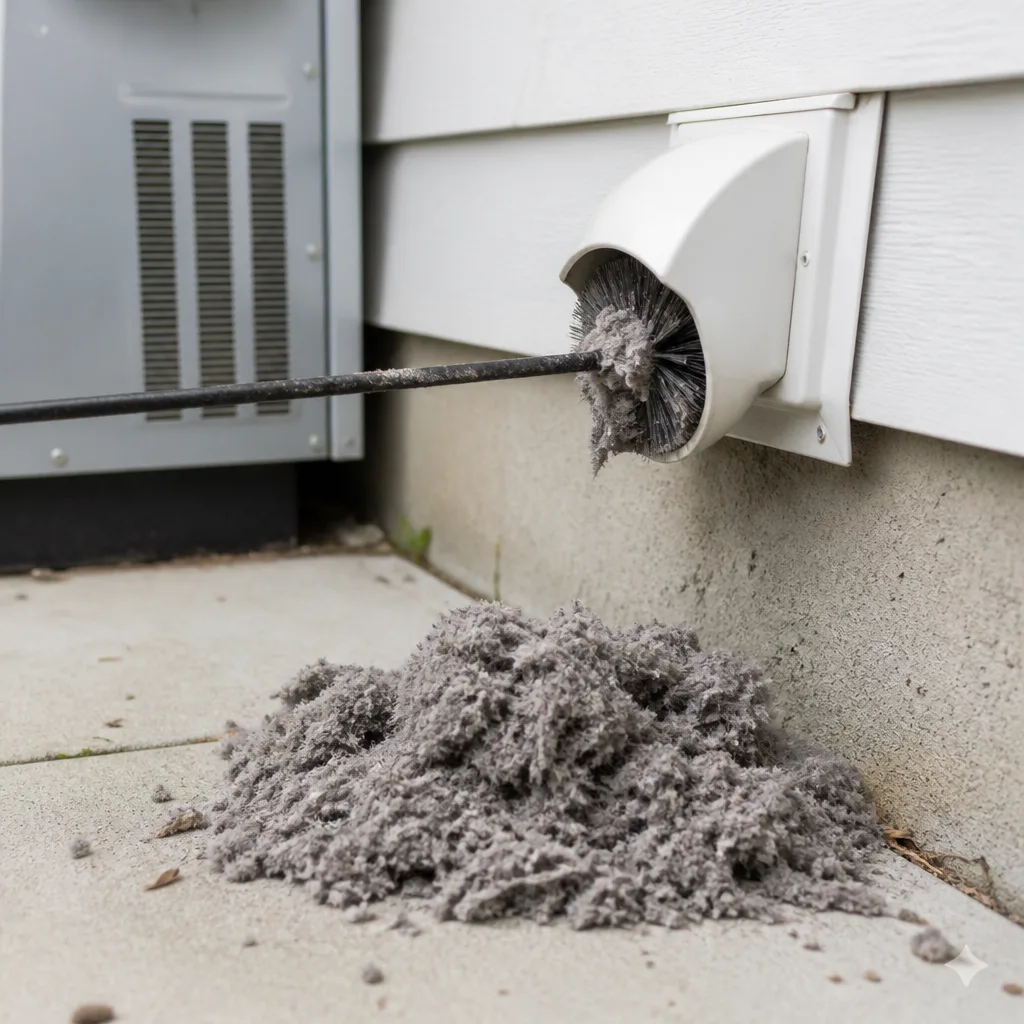 Dryer vent cleaning
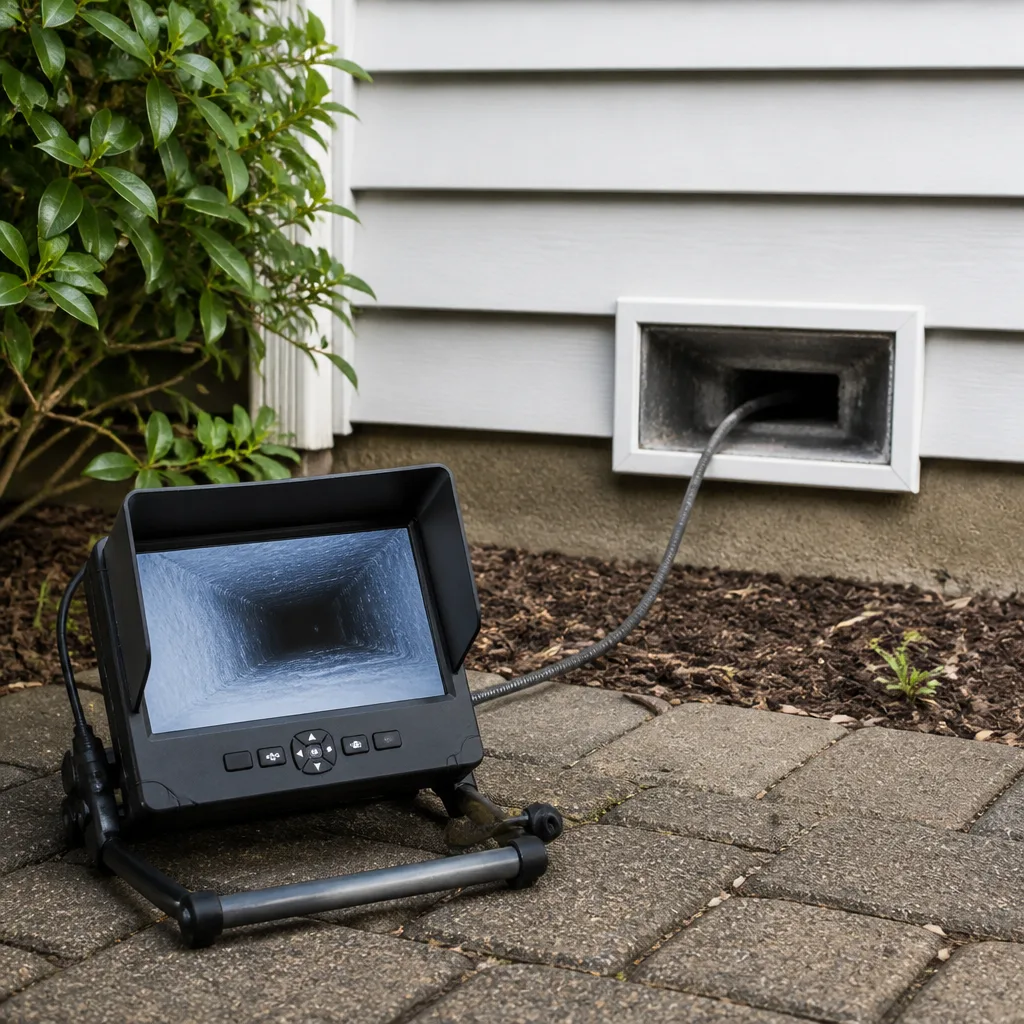 Camera inspection
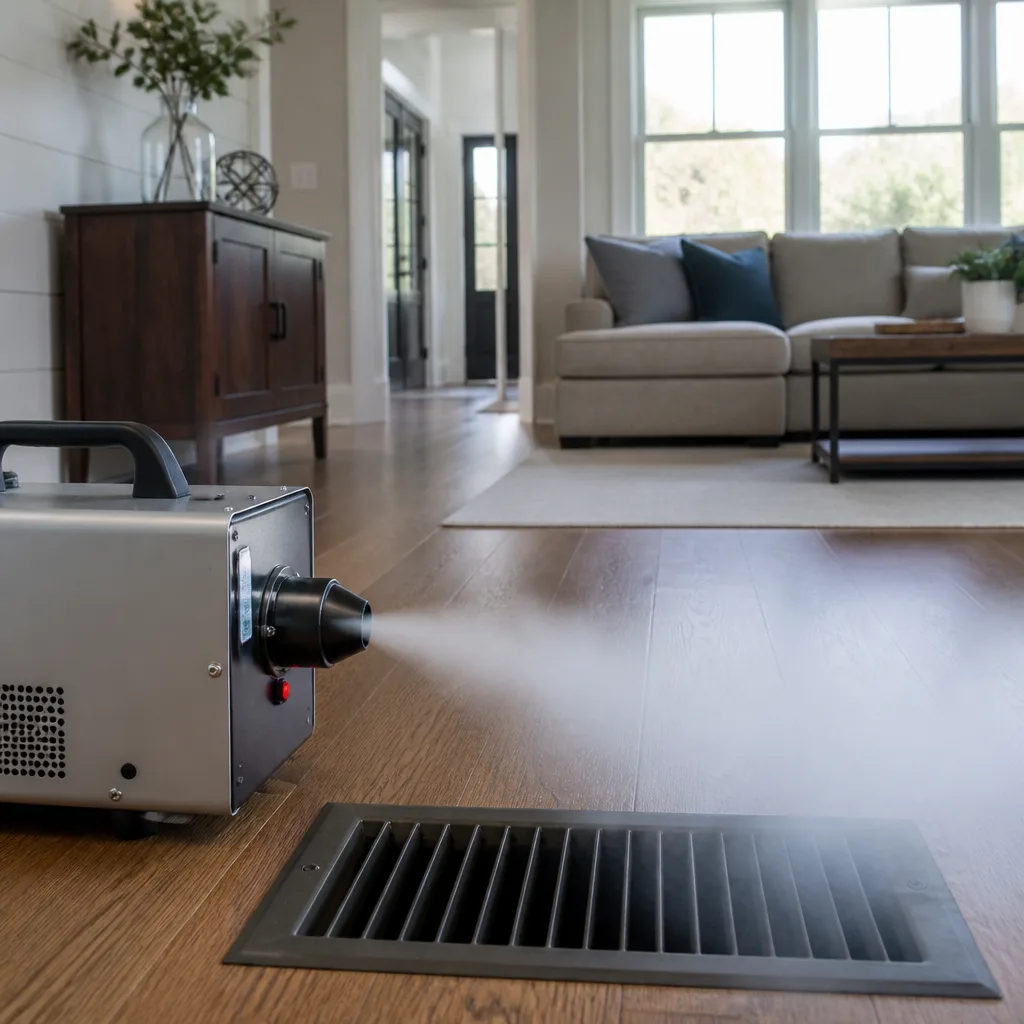 Sanitizing & deodorizing
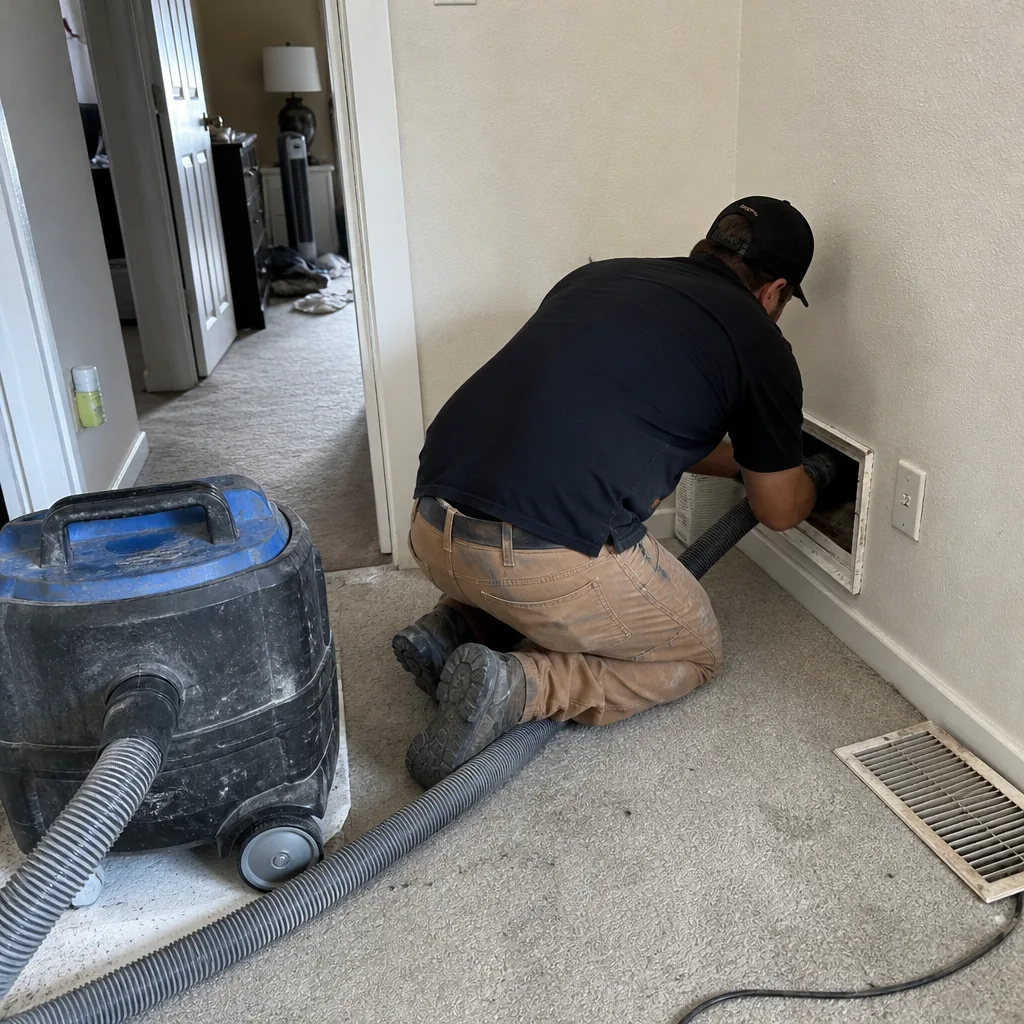
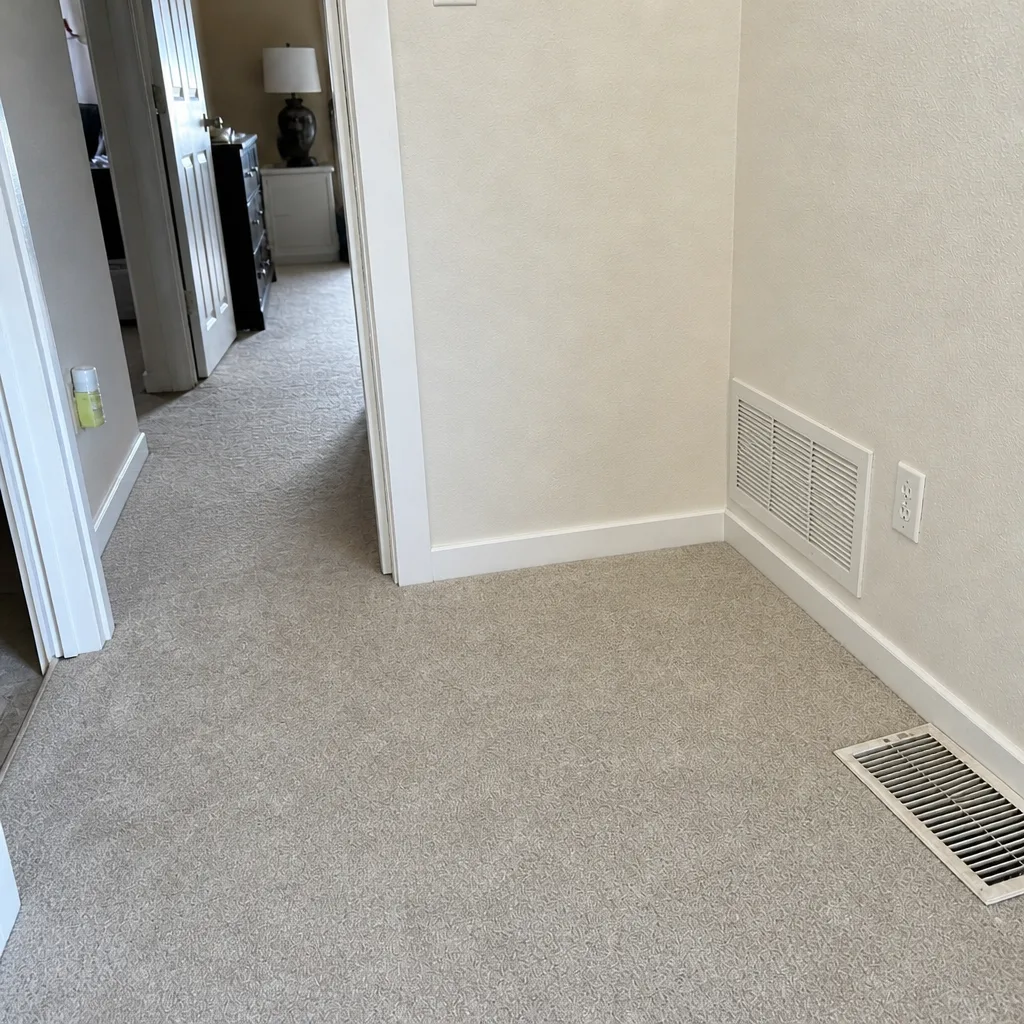
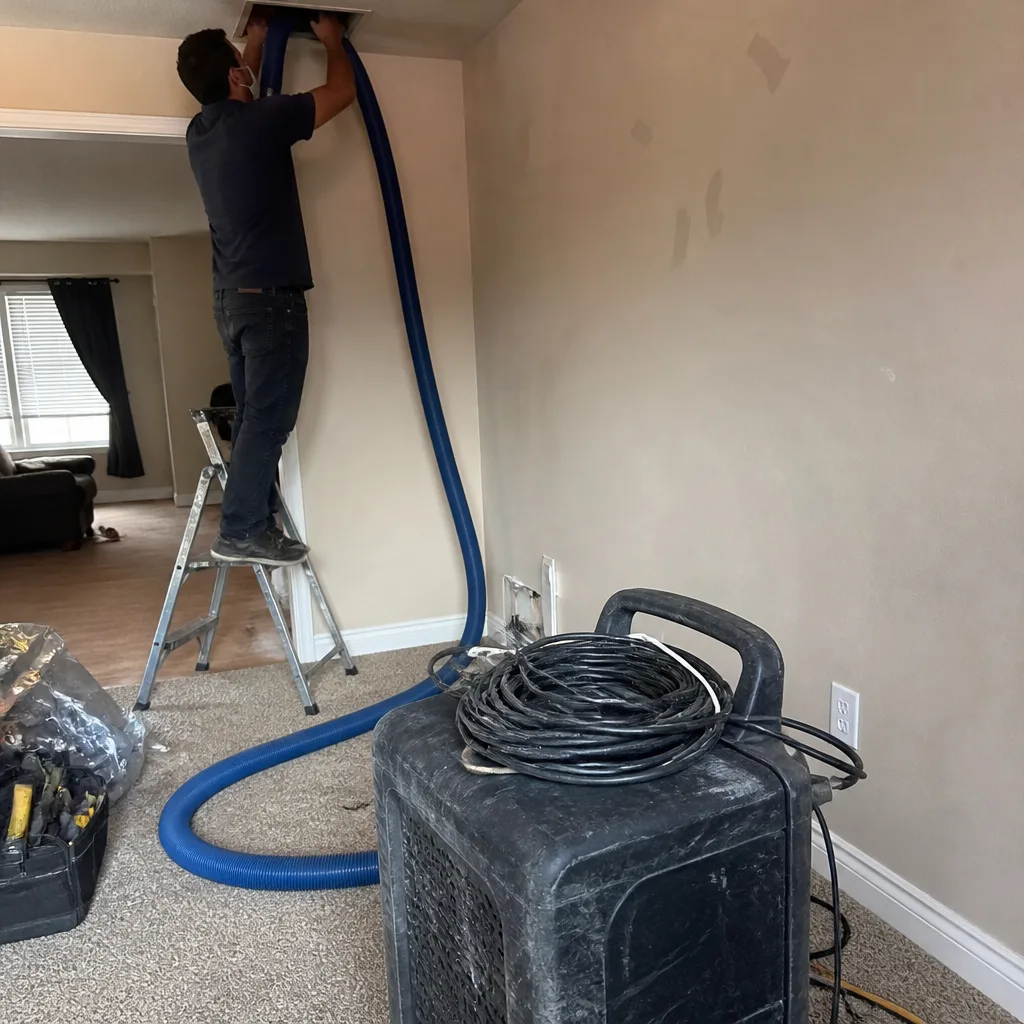
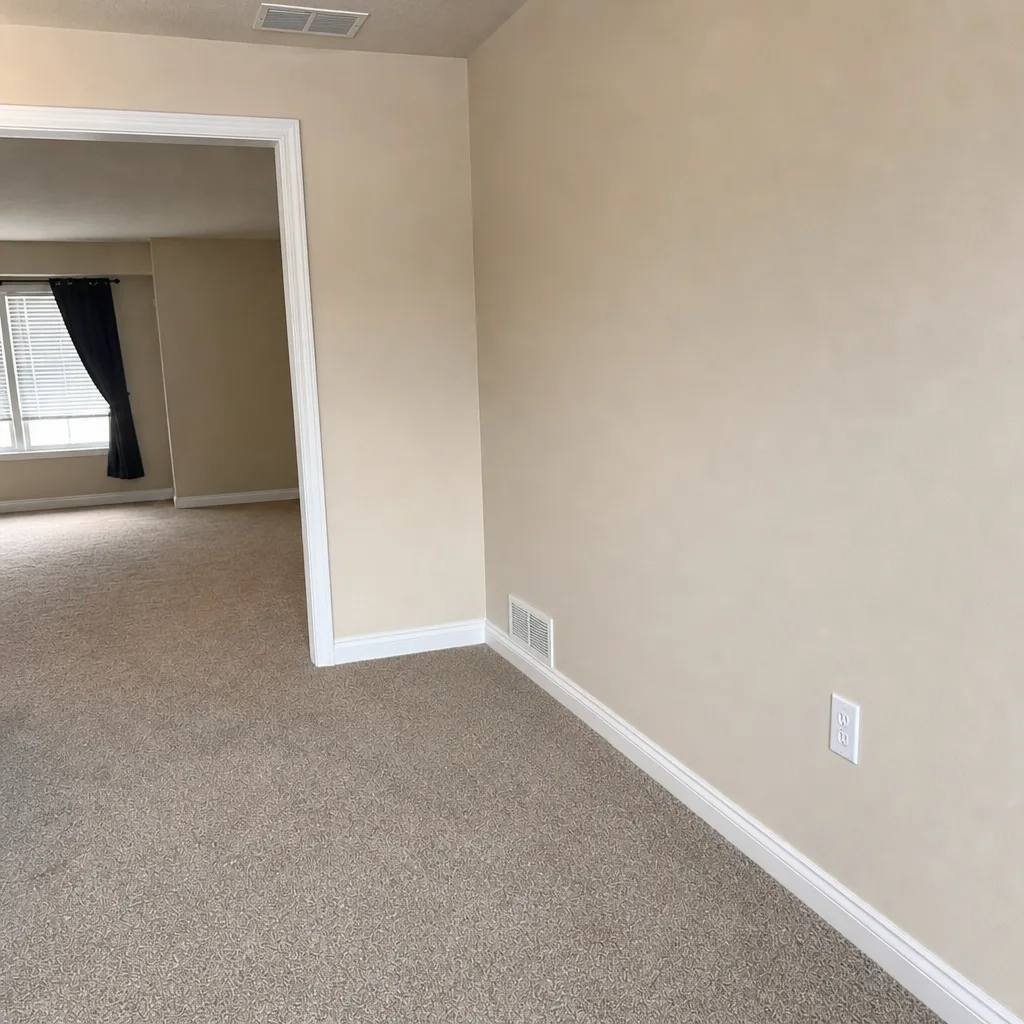
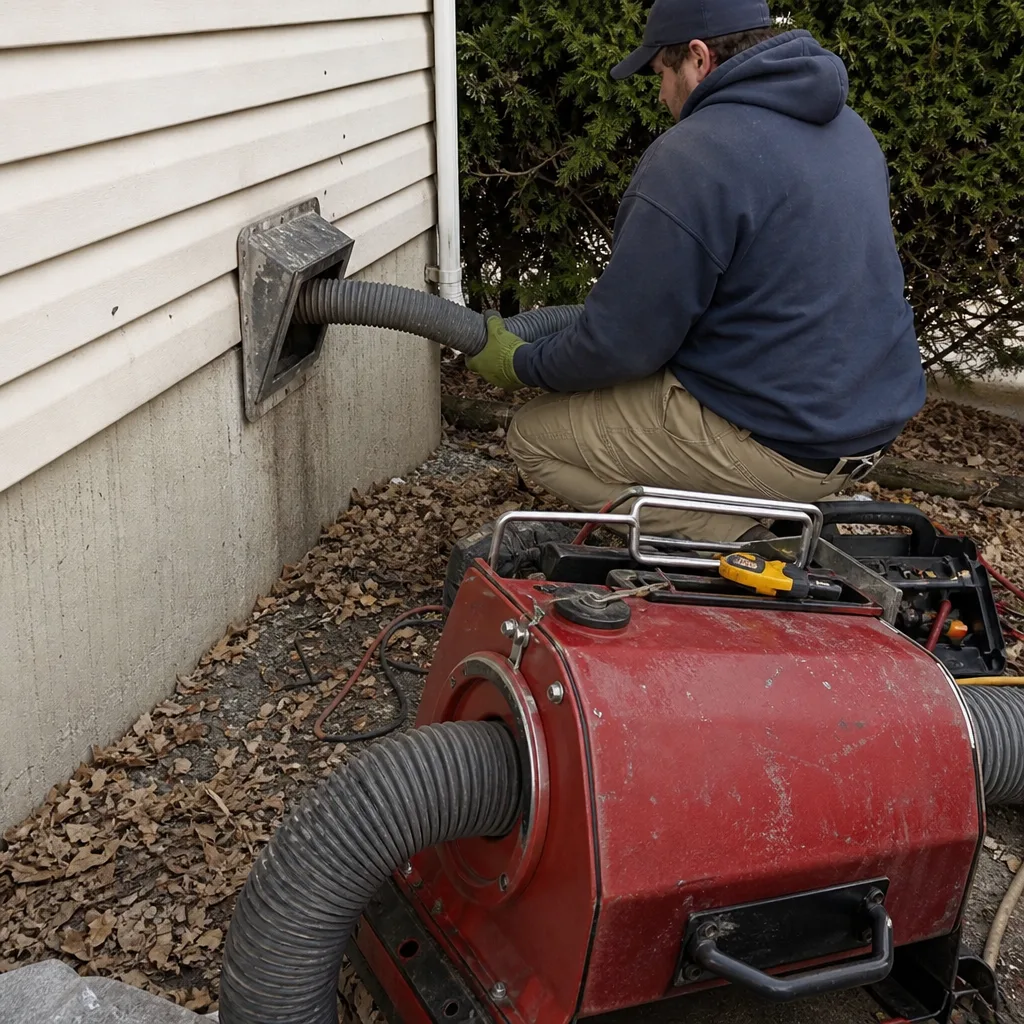
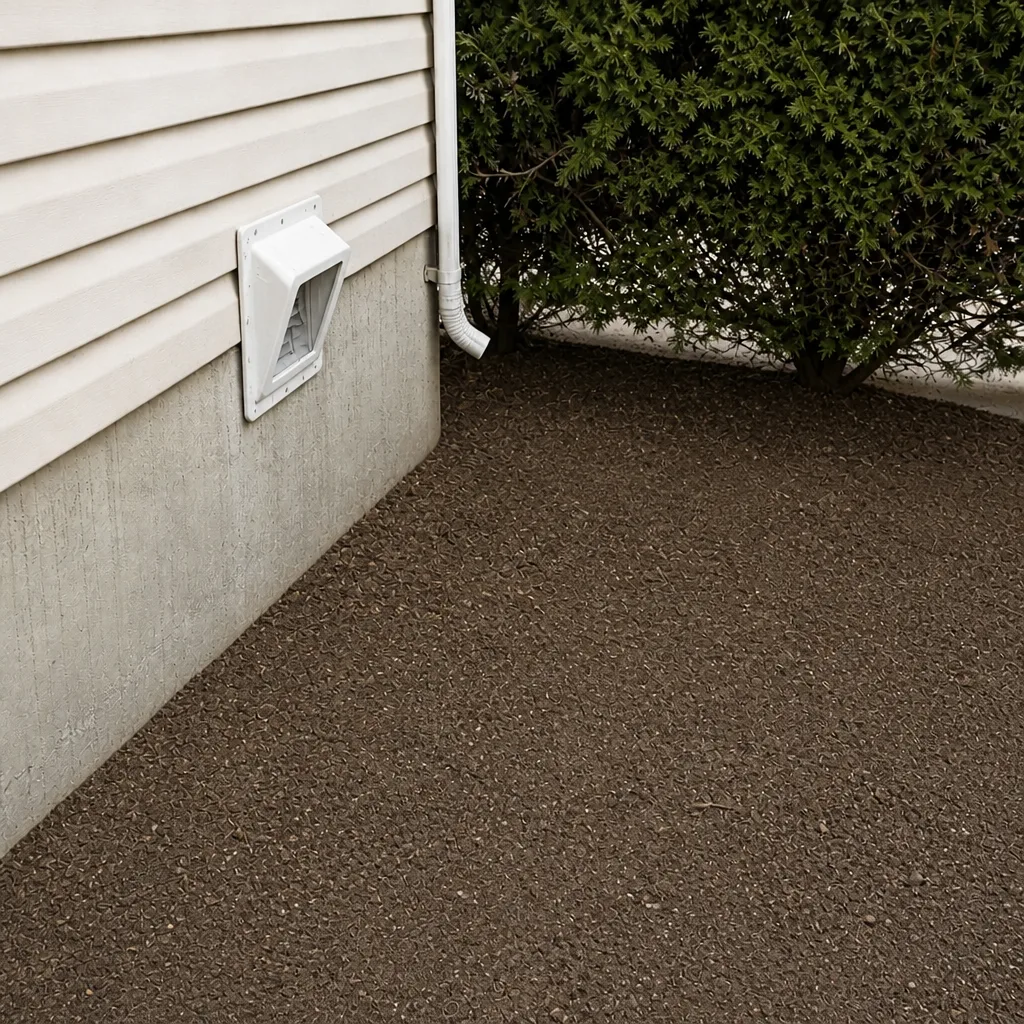
Whole-system duct and dryer vent check with before-and-after photos - you see exactly what came out of your vents
That "$99 whole-house special" is a bait ad - the real number appears once they are in your hallway, or the "clean" is a shop-vac at the register. We photograph the inside of your ducts before and after instead.
Air Duct Cleaning Troubleshooting in Provo: Common Problems and How to Fix Them
If your vents are blowing weak air after a duct cleaning, the cleaning probably wasn’t the problem, and it wasn’t the solution either. That’s the uncomfortable truth about this trade: most of the calls we get about “ducts that need cleaning again” turn out to be airflow, sealing, or filtration problems that a vacuum can’t touch. A dirty system is often a symptom sitting on top of a cause nobody diagnosed. In this guide, we’ll walk you through how to tell the difference before you spend money, what Provo’s high, dry climate does to duct dust, and when to re-clean, call an HVAC tech, or fix your filter setup instead.
Quick Answer
Most air duct problems in Provo are not cleaning problems. Weak airflow usually points to a sealing, balance, or blower issue; recurring musty smells usually point to moisture and mold upstream of where a portable vacuum can reach; and fast dust return usually points to filtration or a leak pulling unfiltered air into the system. Cleaning is the right fix only when the ducts are genuinely loaded with debris and the rest of the system is sound. Diagnose first, then decide.
Styles & brands we work with
- Whole-home duct cleaning
- Dryer vent cleaning
- Camera inspection
- Sanitizing & deodorizing
Table of Contents
- How do you tell a dirty-duct problem from an airflow problem?
- What does weak register airflow actually tell you?
- Why do musty smells come back after a cleaning?
- Why does dust build up faster in certain duct sections in Provo?
- The decision tree: re-clean, repair, or call an HVAC tech?
- When the problem is filtration upstream
- What a properly diagnosed cleaning job actually looks like
- Common mistakes to avoid
- When to call a professional
- Frequently asked questions
- The bottom line
How do you tell a dirty-duct problem from an airflow problem?
A dirty-duct problem is about what’s in the ducts. An airflow problem is about whether air can move through them. They feel similar from the couch, but the checks that separate them are simple and you can run most of them with a flashlight, a tissue, and a few minutes at each register.
Start by looking at what the supply registers are doing. Hold a tissue against the grille on a system running on fan-only. If it flutters hard and steady on every register, your system is moving air, and the question becomes what’s riding in it. If some registers push weakly while others are strong, you’re looking at an airflow or balance problem, and cleaning alone won’t fix it. If a register feels barely there, or you can hear a whistle at the grille, that’s a sign of restriction or a leak nearby.
Next, look inside. Pop a register cover off a supply and a return and shine a light down the branch. A light dust film on the galvanized metal is normal and not worth a service call. A visible mat of dust, debris, or pet hair clinging to the walls, or debris piled at the bottom of a vertical run, is a genuine cleaning case. What you’re looking for is accumulation, not tint.
Then check the return side and the filter. A clogged filter mimics dirty ducts almost perfectly: weak airflow everywhere, dust blowing from registers, and a system that runs long. Pull the filter and hold it up to a light. If you can’t see light through it, replace it and recheck before you call anyone.
- Strong airflow, dusty registers: likely a cleaning case, especially with recent renovation, pets, or a long gap since the last service.
- Uneven airflow room to room: likely balance, damper, or leak. Cleaning won’t change it.
- Weak everywhere, filter loaded: replace the filter first. Recheck in a day.
- Whistling or rattling at a grille: restriction or a loose joint. Look at repair, not cleaning.
- Visible debris mat inside the branch: genuine cleaning case, and worth doing properly.
Running these checks before you call saves you from paying for a cleaning that won’t change how the house feels. We’d rather you diagnose it right the first time.
What does weak register airflow actually tell you?
Weak airflow at a register tells you something is resisting or diverting air between the blower and the room. That’s it. It does not tell you the ducts are dirty. The most common culprits, roughly in order of how often we see them, are a loaded filter, a closed or partially closed branch damper, a disconnected or crushed flex run, a leaking joint at a trunk takeoff, and a blower or blower-motor problem on the air handler itself.
Here’s how those break down, and which ones cleaning can help:
- Loaded filter. The cheapest fix and the most common cause. Replace it, then recheck airflow. Cleaning doesn’t help here.
- Closed damper. Some systems have manual dampers at the trunk. If someone closed one to balance a hot room, the rooms downstream pay for it. Reopen and recheck.
- Crushed or disconnected flex run. Common in attic and crawlspace runs, and more common in older Provo homes where a run has been stepped on or shifted. Air leaks into the attic instead of the room. This is a repair, not a cleaning.
- Leaking trunk joints. Seams and takeoffs that have separated push air into unconditioned space. You’ll often see dust staining at the seam. Repair and sealing are the fix.
- Genuine debris restriction. Rare, but real: a run packed with construction debris or a return plenum choked with drywall dust after a remodel. This is where cleaning is the right call.
- Blower or motor issue. Weak everywhere, sometimes with a hum or wobble. That’s an HVAC tech job, not a duct job.
If you’ve replaced the filter, checked the dampers you can reach, and some rooms are still starved for air, the next step is a proper airflow and leak inspection. That’s what our air duct cleaning team checks before quoting a cleaning, so you’re not paying for the wrong service. If the problem turns out to be a crushed or disconnected run, we fix it as duct repair rather than cleaning around it.
One Provo-specific note: single-story homes with long attic trunk runs and slab floors tend to show uneven airflow more than two-story homes with shorter runs. If your back bedrooms are consistently the weak ones, that’s a balance and leak question before it’s a cleaning question.
Why do musty smells come back after a cleaning?
Persistent musty smells almost always mean moisture and microbial growth somewhere the cleaning didn’t reach. A portable vacuum working through the registers pulls loose debris from the branch runs, but it can’t touch the evaporator coil, the drain pan, the interior of the air handler cabinet, or the insulated flex runs where condensation collects. If the smell comes back within days or weeks, the source was upstream all along.
In our experience, the three places musty odors hide in a Provo home are:
- The evaporator coil and drain pan. A wet coil with a slow or clogged condensate drain grows a biofilm that smells like a damp basement. Cleaning ducts doesn’t touch it.
- The air handler cabinet and blower wheel. Dust sticks to the blower wheel and the cabinet walls, then picks up moisture. The wheel can go visibly caked, which also drags airflow down.
- Insulated flex duct that has been damp. Once the inner liner of a flex run gets wet and stays wet, the smell stays with it. Cleaning can’t fix a saturated liner. Replacement does.
There’s also a Provo angle worth knowing. Our summers swing hot and dry, but our winters are cold enough that a lot of homes run humidifiers through the heating season, and some run them hard. A whole-home humidifier set too high pushes moisture into the duct system that the cooling season never does. If the smell shows up in winter, look at the humidifier setting before you blame the ducts. Homes fitted with Honeywell or Aprilaire humidifiers and filter cabinets are common here, and we’re trained on those integrated systems, which means we check the humidifier and filtration components as part of the diagnosis instead of cleaning around them.
If the smell is strong, or you see visible growth on the coil or cabinet interior, get an HVAC tech to inspect the coil and drain first. Cleaning a duct system that has an active moisture source upstream just resets the clock.
Why does dust build up faster in certain duct sections in Provo?
Dust accumulates fastest in the return side, in low and horizontal runs, and wherever the duct system is pulling unfiltered air through a leak. Provo’s high-altitude, dry climate makes that worse in a few specific ways. The air is thin and dry, which means fine dust stays airborne longer and travels further into the system before it settles. Summer dust from dry yards, gravel, and construction sites rides the return air and drops out of suspension in the slowest-moving sections: the return plenum, the horizontal trunk runs in the attic, and the bottoms of vertical drops.
A few local patterns we’ve come to expect:
- Winter inversion season. When the valley traps cold air and fine particulate under an inversion, more of that particulate ends up on your filter and in the return. Filters load faster in January and February than in spring.
- New construction and remodels. Provo has seen a lot of both. Drywall dust, sawdust, and insulation fibers settle into duct systems during construction and stay there long after the punch list is done. A home that was renovated within the last few years and never had the ducts cleaned is a strong cleaning candidate.
- Dry-season dust and pollen. Spring pollen and summer dry dust both load the return side. Allergy sufferers in the house feel this first as morning sneezing and congestion that eases when they leave.
- Attic duct runs. Provo homes with ductwork in the attic see larger temperature swings through the run, and condensation at the joints in the shoulder seasons. That’s where leaks start and where dust staining shows up at the seam.
The practical upshot: if you’re going to inspect one part of your system, inspect the return side and the attic trunk. Those are where Provo’s dust lands first. For more on how the local climate and housing stock shape duct work here, see our Provo page.
The decision tree: re-clean, repair, or call an HVAC tech?
Use this decision tree to sort out which service you actually need. Work through it in order; each step eliminates a cause before you spend money on the next.
- Replace the filter and recheck airflow. If airflow returns, you had a filtration problem. No cleaning needed.
- Look inside two supply registers and the return with a flashlight. Light film only? Stop. Mat of debris? Go to step 3.
- Check for airflow imbalance (some rooms strong, some weak). Imbalance present? Go to step 4. Even airflow but dusty? That’s a cleaning case; book a proper contact cleaning.
- Inspect accessible runs for crushed, disconnected, or leaking duct. Found one? That’s duct repair. Fix the structure before cleaning.
- Smell musty? Get the evaporator coil, drain pan, and blower inspected by an HVAC tech before any cleaning.
- System runs but the blower sounds wrong, or the whole house is weak. HVAC tech first. Blower and motor issues aren’t duct issues.
- Everything above checks out and the ducts are visibly loaded. Book the cleaning and ask for before-and-after photos of your own ducts.
Two rules of thumb help. First, if cleaning alone didn’t fix the problem the last time, it won’t fix it this time either; something structural is going on. Second, if the problem came back within a season, the cause was never addressed.
When a duct system needs both structural repair and cleaning, our Duct Cleaning Provo team handles both as separate services, so the repair gets done first and the cleaning is done on a sound system. That ordering matters. Cleaning a leaking system is like mopping under a running faucet.
When the problem is filtration upstream
If dust returns to your registers within weeks of a cleaning, the problem is almost always filtration, not the cleaning. A filter is supposed to protect the equipment and the ducts, and when it’s undersized, wrong-rated, or badly fitted, dust gets past it and settles in the system. Cleaning the ducts without fixing the filtration just resets the clock.
What to check:
- Filter fit and MERV rating. A filter that’s too small for the slot lets air bypass around the edges. A filter rated higher than your blower can handle chokes airflow and can mimic dirty ducts. Match the filter to the system, not to the highest number on the package.
- Filter change interval. In Provo, filters load faster during inversion season and during any nearby construction. Check monthly and replace when you can’t see light through it.
- Return air path. Some homes have a single undersized return. That pulls harder through leaks and drags dust in from the attic or crawlspace. A second return is an HVAC tech question, not a duct cleaning question.
- Whole-home air quality components. If your home has a Honeywell or Aprilaire filter cabinet or humidifier, the media and settings need to be right. We’re trained on those integrated systems, so we check them as part of the diagnosis instead of treating the ducts in isolation.
One more: if your air handler has a filter slot at the return grille and a second filter location at the cabinet, running both can double the restriction. Check which slot the system was designed to use. That one detail solves a surprising number of “weak airflow after cleaning” calls.
Dryer vent problems are a different animal entirely and worth separating out. Weak dryer performance and a hot dryer cabinet are vent issues, not duct-cleaning issues. Our dryer vent cleaning service handles that side, and it’s a fire-safety job worth doing on its own schedule.
What a properly diagnosed cleaning job actually looks like
A properly diagnosed cleaning job starts with inspection and ends with proof. If a company quotes you a price before they’ve looked inside a single register, they’re guessing. The process below is what a professional-grade cleaning should involve, and it’s what our technicians run on every job.
- Inspection first. We look inside supply and return runs and check airflow at the registers before quoting. If cleaning isn’t the right fix, we say so.
- Containment. We use Abatement Technologies negative-air and containment equipment, the same standard used in professional remediation, so debris and dust stay in the work area instead of drifting through the house.
- Contact cleaning. We use Rotobrush contact-cleaning systems and Nikro professional HVAC equipment. These agitate the duct walls to break debris loose and extract it. Surface vacuuming through a register doesn’t do this.
- Component check. We check the filter setup and any Honeywell or Aprilaire components, and flag structural problems like disconnected or crushed runs for repair rather than cleaning over them.
- Before-and-after photos of your own ducts. You should see what came out and what the interior looks like after. If a company won’t show you, that’s your answer.
- One flat price per system, agreed before work starts. No per-vent pricing. No surprise invoice once the equipment is inside.
Those equipment choices are the difference between a cleaning that holds and one you’re re-booking next spring. Rotobrush and Nikro are contractor-grade tools. Abatement Technologies containment is remediation-grade. Most residential duct cleaners run portable vacuums and skip containment entirely, and that’s the gap you’re paying to close. Our technicians have up to experience with these systems.
Common Mistakes to Avoid
- Booking a cleaning to fix weak airflow. Cleaning removes debris, but it doesn’t seal leaks, reopen dampers, or fix a blower. Diagnose first. If airflow is uneven room to room, you’re paying for the wrong service.
- Chasing musty smells with repeated cleanings. If the smell returns, the source is upstream at the coil, drain pan, or a damp flex run. Cleaning resets the clock but doesn’t stop it.
- Skipping the filter check. A loaded filter mimics dirty ducts almost perfectly. Replacing it costs a fraction of a cleaning and takes a minute. Always rule it out first.
- Letting a crew vacuum through the registers only. Surface vacuuming through a supply grille can’t reach the branch walls or the trunk. Ask what equipment they use. If the answer is a shop vac and a hose, that’s not a full cleaning.
- Ignoring a crushed or disconnected duct run. In Provo, attic and crawlspace flex runs get stepped on and shifted. Cleaning a system with a disconnected run pulls attic dust into the house. Repair comes first.
- Cleaning after a remodel without checking the filter setup. Drywall dust and construction debris load the system fast. If the filter setup is undersized, the new dust lands right back in the same runs.
- Paying per-vent pricing without a system price. Per-vent pricing lets a quote grow once the technician is on site. Ask for one flat price per system before work starts, and ask for photos after.
When to Call a Professional
Call a professional when you see a visible mat of debris inside a register or return, when dust returns to the registers within weeks of a cleaning, or when you smell mustiness that doesn’t clear. Call when you’ve replaced the filter and airflow is still weak in some rooms, especially if the weak rooms are the far ones. Call when there’s been a remodel or a home purchase in the last few years and the ducts have never been inspected. Call when a duct run is visibly crushed, disconnected, or leaking. And call when you want a diagnosis instead of a guess: a proper inspection tells you whether you need cleaning, repair, or an HVAC tech, and we’ll tell you which even when the answer is “not us.” Duct Cleaning Provo offers free estimates in Provo, and we’ll show you before-and-after photos of your own ducts after the work. Call (877) 798-7857. We answer 24/7. Fast dispatch from 7am to 7pm, Sunday through Friday.
Frequently Asked Questions
Air duct cleaning in Provo is typically quoted per system rather than per vent, and the honest range depends on the size of the home, the number of runs, and whether duct repair is needed alongside the cleaning. A single-system home with standard runs and no repair sitting at the low end, and homes with multiple systems, long attic runs, or repair work land higher. We set one flat price per system in a written estimate before any work starts, so the number you agree to is the number you pay. Call (877) 798-7857 for an exact quote – estimates are free.
Cheap quotes are usually cheap because the equipment and scope are smaller: a portable vacuum, a quick pass at the registers, and no containment. That’s surface vacuuming, not contact cleaning, and it doesn’t reach the branch walls or the trunk. Our technicians use Rotobrush and Nikro professional equipment and Abatement Technologies containment, which costs more to run but is the difference between a cleaning that holds and one you re-book. Ask any company what equipment they use and whether they contain the dust before they start. Call (877) 798-7857 for a free estimate and a straight comparison.
You know the work was done when you see before-and-after photos of your own ducts, not stock images. Ask for photos of each run you’re paying to clean, taken inside the duct, before and after the equipment runs. A company running professional contact-cleaning equipment should have no trouble producing them. Call (877) 798-7857 to book an inspection with photos – estimates are free.
Most Provo homes don’t need a set schedule. Cleaning is driven by conditions, not the calendar: a remodel or recent construction, a new home purchase where the history is unknown, pets, allergy sufferers in the house, visible debris in the returns, or a long gap with no service. Homes with those factors tend to need it every few years. Homes without them can stretch longer. If you’re unsure, an inspection answers it better than a schedule. Call (877) 798-7857 for a free estimate.
Because the moisture source was upstream of the cleaning. Musty smells that return after a cleaning usually come from the evaporator coil, drain pan, blower cabinet, or a damp insulated flex run, none of which a register-level vacuum can reach. In Provo, homes running whole-home humidifiers through the winter are prime candidates. Get the coil and drain inspected by an HVAC tech before you pay for another cleaning. Call (877) 798-7857 and we’ll help you figure out which service you actually need – estimates are free.
Only when debris is genuinely restricting the ducts. Weak airflow is more often caused by a loaded filter, a closed damper, a crushed or disconnected run, leaking joints, or a blower problem, and cleaning won’t fix any of those. Run the checks in this guide first: replace the filter, check the dampers, look for visible debris. If airflow is still uneven room to room, you likely need duct repair or an HVAC tech, not a cleaning. Call (877) 798-7857 for a diagnosis – estimates are free.
The Bottom Line
Most duct problems in Provo are not cleaning problems, and paying for a cleaning when the real issue is airflow, sealing, moisture, or filtration just resets the clock. Diagnose in order: filter first, then airflow, then visible debris, then moisture, then structure. Cleaning is the right fix when the ducts are genuinely loaded and the system around them is sound. When repair is needed, fix the structure first, then clean. And when you do book a cleaning, ask for professional equipment, containment, one flat price per system, and before-and-after photos of your own ducts. That’s the standard we hold ourselves to.
If you’re in Provo and want a straight answer about what your system actually needs, call Duct Cleaning Provo at (877) 798-7857 for a free estimate. We answer 24/7. Fast dispatch from 7am to 7pm, Sunday through Friday. We’ll inspect before we quote, tell you when the fix is repair or an HVAC tech instead of a cleaning, and show you photos of your own ducts when the work is done.
Written by the team at Duct Cleaning Provo.
See the difference
 Before
 After
 Before
 After
 Before
 After