
Last updated November 16, 2026
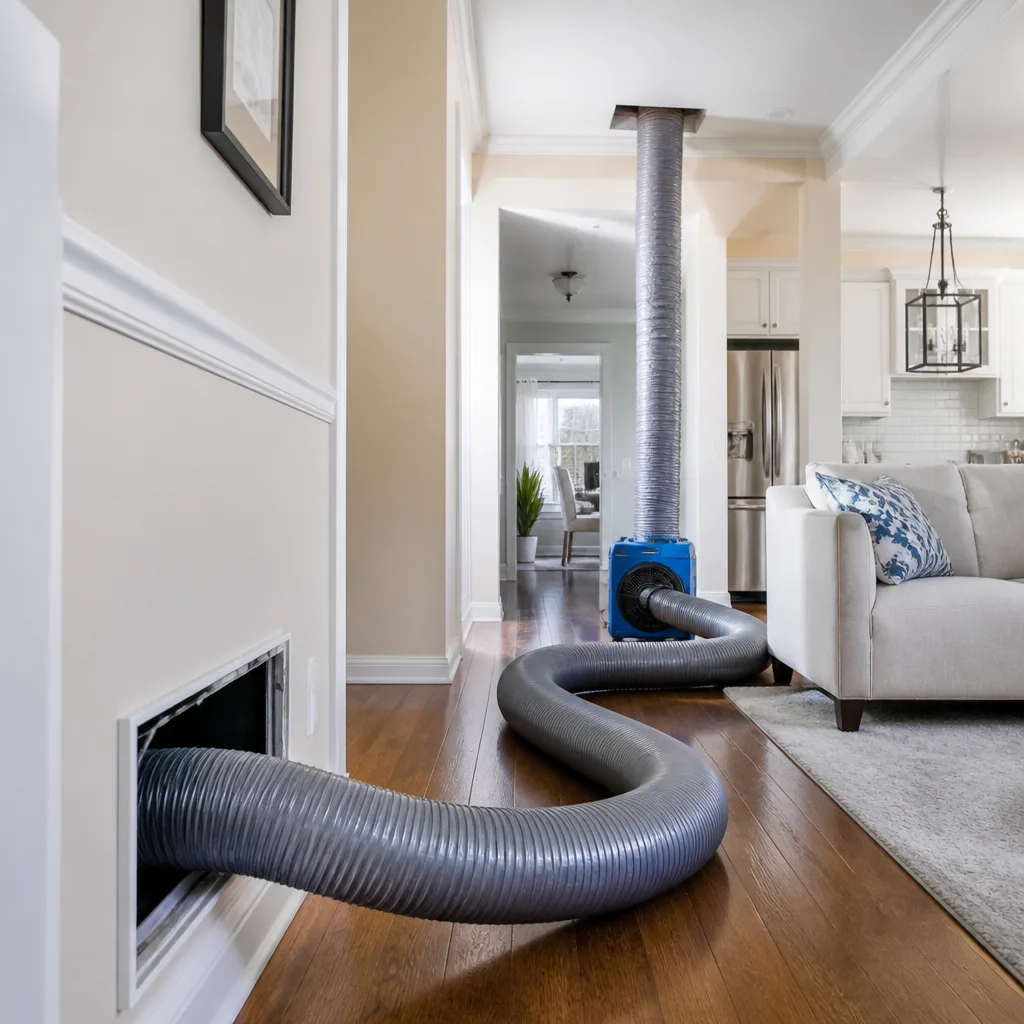 Whole-home duct cleaning
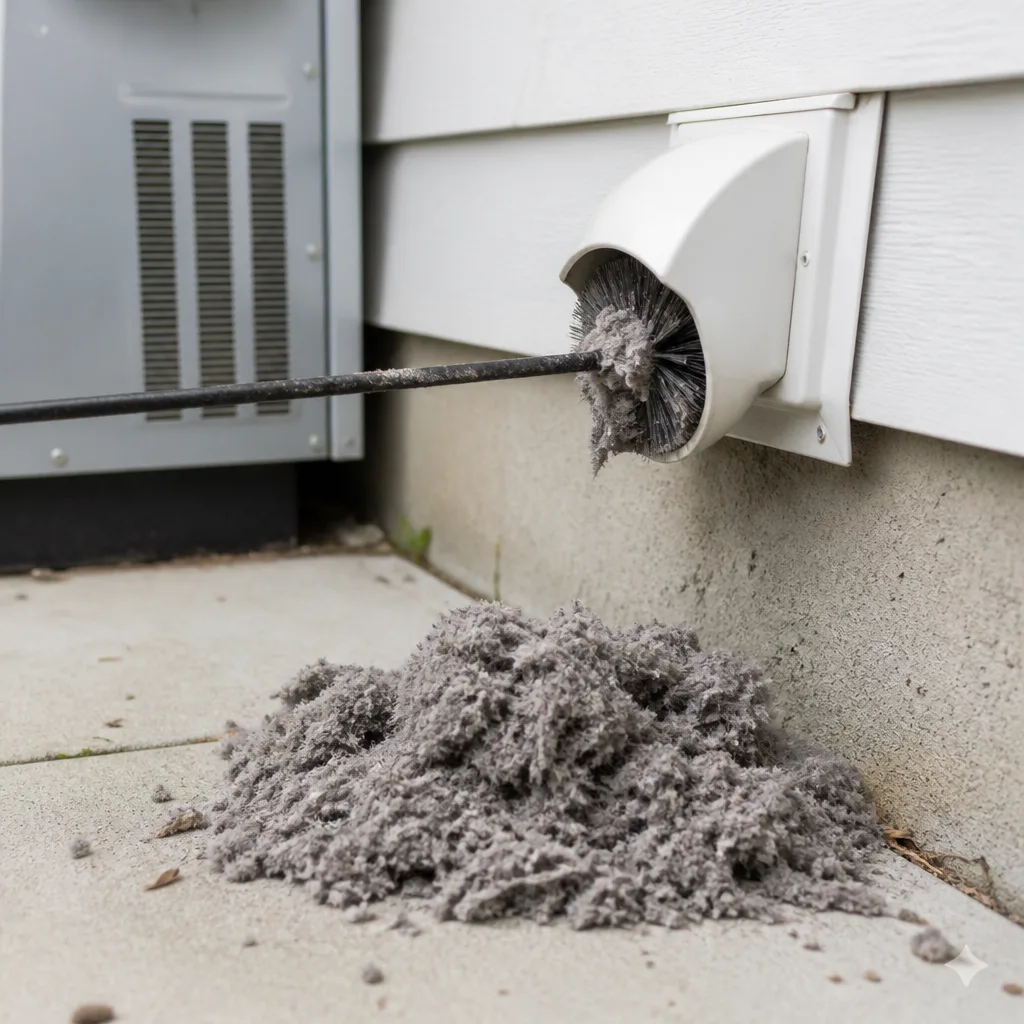 Dryer vent cleaning
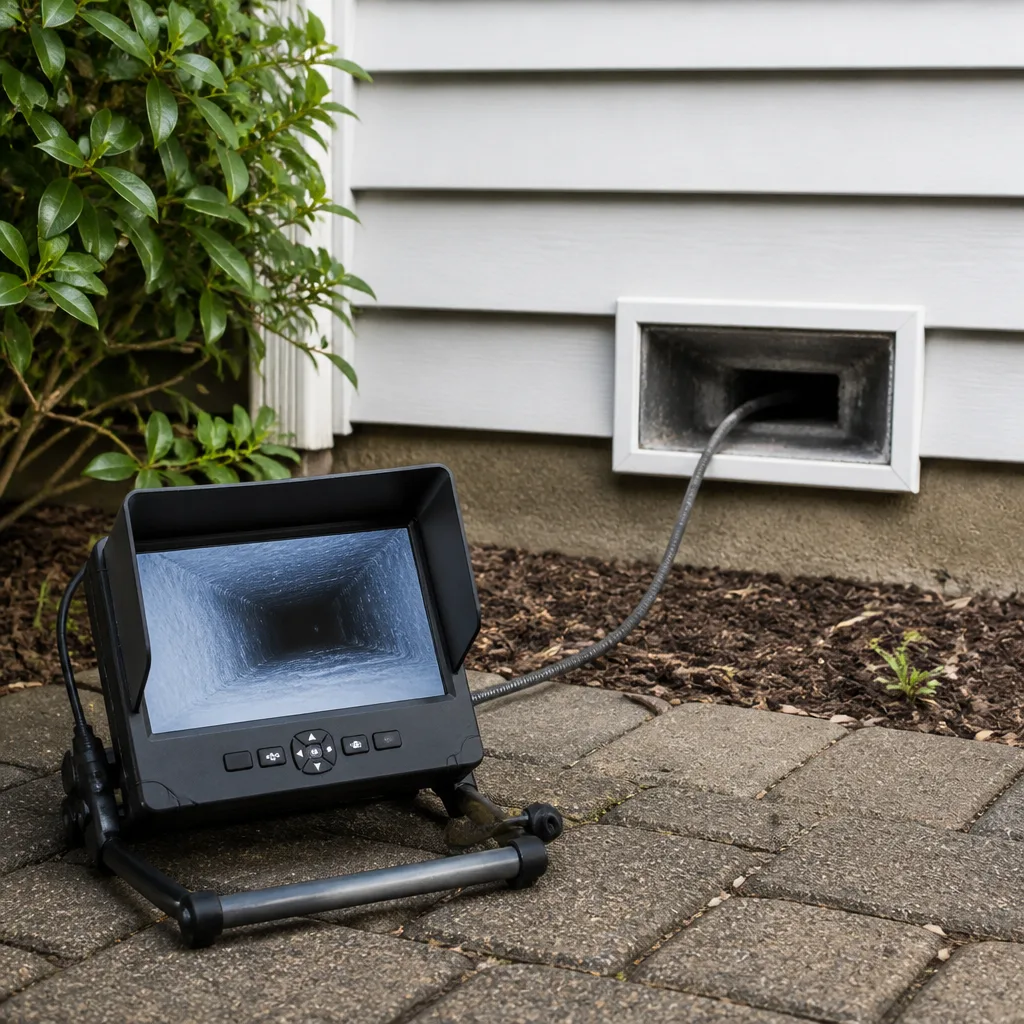 Camera inspection
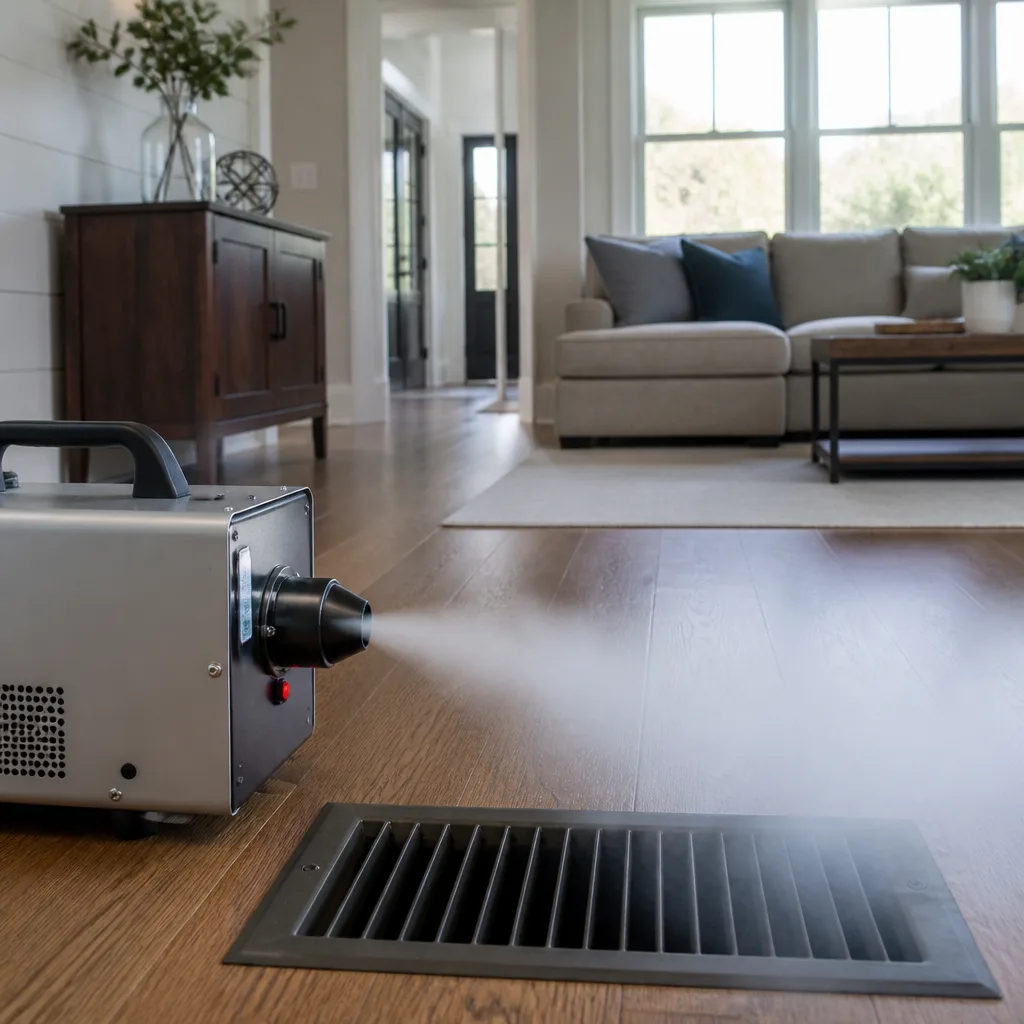 Sanitizing & deodorizing
Whole-system duct and dryer vent check with before-and-after photos - you see exactly what came out of your vents
That "$99 whole-house special" is a bait ad - the real number appears once they are in your hallway, or the "clean" is a shop-vac at the register. We photograph the inside of your ducts before and after instead.
Seasonal Air Duct Cleaning Care for Provo: Year-Round Homeowner’s Guide
Here’s the counterintuitive part about duct cleaning in Provo: the most popular month to schedule it is also one of the worst. Homeowners tend to book a cleaning in October, right as the furnace comes back on, then wonder why the first heating cycle blows a visible dust film across the furniture. That first burn pushes a whole summer’s worth of accumulated debris through the system in one go. Clean in late August or early September and you enter heating season with ducts that are already clear. This guide maps Provo’s four seasons to the specific stresses each one puts on a duct system, so you can time your cleaning and inspection to match what the local climate is actually doing.
Quick Answer
The best time to professionally clean air ducts in Provo is late August or early September, before you turn the furnace on for the season. That window removes a summer’s worth of dust, pollen, and any wildfire smoke residue before it gets heated and recirculated. Between professional cleanings, upgrade your furnace filter during winter inversion months and inspect the condensate system each spring when you switch from heat to cooling. A fixed annual cleaning is less effective than timing the job to Provo’s actual climate pattern.
Styles & brands we work with
- Whole-home duct cleaning
- Dryer vent cleaning
- Camera inspection
- Sanitizing & deodorizing
Table of Contents
- Why Season Matters More in Provo Than Most Cities
- A Month-by-Month Duct System Calendar for Provo
- Why Late August or Early September Is the Optimal Cleaning Window
- Getting Through Inversion Season: Filter Strategy Between Cleanings
- The Spring Switch: What to Check When the Heat Turns Off
- Construction Dust and the South Provo Growth Corridor
- Dryer Vent Care, Season by Season
- When Cleaning Isn’t the Answer: Repair as the Root Fix
Why Season Matters More in Provo Than Most Cities
Provo isn’t a mild climate with predictable weather. It’s a valley that sits against the Wasatch Range and gets weather from four directions, which means the duct system inside a home here works through genuinely different loads from month to month. That’s not marketing language. It’s the reason a single annual “every spring” schedule, the kind you’ll read about on national duct cleaning pages, doesn’t fit the way air quality behaves along the Wasatch Front.
Winter is the big one. Cold air settles into Utah Valley and inversions trap a ground-level layer of particulates across Provo and the surrounding basin. Furnaces run nearly constantly through those weeks, pulling air through return ducts and pushing it back through supply ducts. Whatever dust, dander, and settled particulate is already sitting in the ducts gets stirred up on repeat. The system becomes an amplifier for everything that settled there during the warmer months.
Spring brings a different problem. Landscaping gets underway, the ground dries out, and wind moves fine dust across the valley. Cooling season starts and the furnace blower shifts into summer mode, but the air handler is now pulling in a new load of ambient dust through returns and the fresh-air path. Late summer adds Wasatch wildfire smoke, and Provo sits downwind of some of those smoke plumes during bad fire years. Then fall arrives, the furnace kicks on, and everything from the previous nine months gets heated, dried, and blown through living spaces.
Every one of those seasonal loads lands in the same duct system. That’s why the calendar matters here more than in a mild, humid metro where the only real stress on ducts is year-round pollen. In our experience working across Provo, the households that see the biggest improvement are the ones that stop treating duct cleaning as an annual to-do item and start treating it as a timed intervention before each seasonal load change.
A Month-by-Month Duct System Calendar for Provo
Here’s what each month actually means for a Provo home’s duct system. This is the reference calendar we use when talking through scheduling with homeowners, and it’s specific to the valley’s climate pattern rather than a generic seasonal list.
- January: Deep inversion season. Furnace runs long cycles. Check your filter every 30 days and hold the upgrade you installed in the fall. Don’t plan a professional cleaning now unless there’s a specific problem (visible debris, musty odor, recent renovation).
- February: Inversions continue. If HVAC components include a whole-home media filter or electronic air cleaner, this is a good month to verify it’s operating correctly.
- March: Early landscape dust begins as the ground thaws. Furnace use starts tapering. Watch for the first spring wind events and note whether filters load faster.
- April: The switch-over month. Furnace off, air conditioning on. Check the condensate drain and look for any moisture around the air handler before the heavy cooling season.
- May: Cooling runs steadily. Landscaping dust peaks. Filter change schedule should be reviewed – many Provo homes need more frequent changes in May than in winter.
- June: High cooling load. Return grilles start collecting visible debris in homes near new construction or unpaved areas. Dust off return grilles but don’t vacuum far into the ducts.
- July: Peak cooling and peak outdoor particulate for most Provo households. Wildfire season begins; watch air quality advisories.
- August: Wildfire smoke risk is highest in the Wasatch corridor. If the smoke is heavy, close windows and run cooling on recirculate. Late August is the ideal professional cleaning window for most homes.
- September: Second-best cleaning window if you missed August. Furnace gets its first test run; note any odor on first use.
- October: Furnace season begins. Filter goes back to monthly checks. Any cleaning you didn’t do in September should happen now rather than in mid-winter.
- November: Inversions begin forming. Check that whole-home air quality components (media filters, humidifiers, air cleaners) are running correctly before deep winter.
- December: Deep winter. Filter maintenance only. No professional cleaning unless something specific needs attention.
If you want a short version: the two professional cleaning windows that matter most are late August to mid-September (before furnace season) and a secondary option in late September or early October if you missed the first. The rest of the year is filter swaps, component checks, and attention to specific problems. Our air duct cleaning scheduling reflects that pattern because that’s how the local climate actually behaves.
Why Late August or Early September Is the Optimal Cleaning Window
You get more out of a cleaning when you push the debris out before there’s more coming behind it. That’s the simple logic behind the late August window, and it’s why we recommend it more often than any other month, including October.
Three things converge in late August in Provo that make it the right moment:
- Summer dust has accumulated and stopped growing. By late August, everything from spring landscaping, summer cooling cycles, and any smoke events has already settled into the system. The load is at its peak and it’s not going to get significantly heavier before fall.
- Wildfire season is usually winding down, but hasn’t ended. In good fire years you can clean before any late-summer smoke; in bad years you clean after and the ducts stay clear through the heating months. Either way, waiting until October is worse because you’re handling the smoke plus the accumulated summer load plus the furnace startup debris.
- Furnace season hasn’t started. This is the big one. When you turn the furnace on in October or November, the first burn is what tells you whether your ducts were clean. A clean system blows warm, neutral air. A system that was cleaned in October still pushes a full summer of accumulated debris through the whole house on the first heating cycle, and that film settles on furniture and in bedding.
There’s a secondary consideration we don’t always mention, and it’s the one most visible from the homeowner’s side: heating season makes the difference between clean and dirty ducts obvious in a way cooling season doesn’t. In summer, air is cool and heavy, and ducts that are dirty just feel slightly musty. In winter, warm dry air goes through dirty ducts and picks up everything. The film shows on vertical surfaces within a few days. Cleaning in late August or early September means the heating season shows you a clean system instead.
What about the homes that miss the window? If you’re past September, an October cleaning is still better than waiting until spring. The furnace has been running for a few weeks, so the first-burn debris is already in the air, but you’re still removing a significant load before it becomes deep winter problem. For homes with allergy sufferers, young children, older adults, or recent renovation dust in the system, don’t wait for a season at all. Get it cleaned when it’s dirty.
Getting Through Inversion Season: Filter Strategy Between Cleanings
The cleanest ducts in Provo will still load up during winter inversions if the filter strategy doesn’t match. Furnaces run longer cycles in cold weather, then go quiet, then start again. That pulsing creates more opportunities for fine particles to settle inside the system, and the filter is the only thing stopping them.
The right filter for most Provo homes is a balance, not a maximum. Here’s how to think about it:
- MERV-11 catches most of the fine particulate that causes problems inside a home during inversion season, and it does so without stressing the furnace blower. For a typical Provo furnace blower, MERV-11 is a straightforward upgrade from the standard MERV-8 pleated filters most new construction homes are built with.
- MERV-13 catches more, including many of the smallest particles that persist during inversions. The tradeoff is real: a high-MERV filter adds airflow resistance, and if the furnace blower isn’t rated for it, the system runs longer and hotter than it should. In some cases it can shorten blower motor life and reduce heating efficiency.
- Higher than MERV-13 is generally not appropriate for a residential furnace unless the system was designed for it, which most Provo homes aren’t. Homes that need hospital-grade filtration usually get it through a separate whole-home air purifier rather than the furnace filter slot.
The practical recommendation: MERV-11 through the inversion months for most homes, and MERV-13 only if your furnace documentation or your HVAC technician has confirmed the blower can handle it. If you’re not sure, look at your furnace blower’s static pressure rating or call a technician to check. An over-restrictive filter is one of the most common quiet efficiency killers in Utah Valley homes.
Beyond the filter slot, the most effective thing a Provo homeowner can do during inversions is reduce the amount of outdoor air getting into the system. Return ducts in the crawl space or attic, if they exist, should be properly sealed. Windows should stay closed during the worst air quality days. Cooking exhaust and bathroom exhaust should vent outside, not into the duct system. A technician using professional-grade equipment like the Rotobrush system we work with can check for return duct leaks while cleaning, but sealing is a separate repair and worth doing if leaks are found. Our technicians have up to experience and know the difference.
If you’re on the fence between cleaning now and waiting until late August: if you’re in the middle of winter with a full system and you haven’t cleaned in a few years, clean now. The next warm season isn’t the right timing reference; the current one is. Winter is a bad time to have dirty ducts in Provo.
The Spring Switch: What to Check When the Heat Turns Off
Sometime in April or early May, Provo homes flip from heating to cooling. Most homeowners never look at their duct system during this transition. That’s a mistake, because the switch-over is exactly when some of the most expensive problems either start or reveal themselves.
Two things matter most in spring:
- The condensate drain and pan. Cooling coils produce condensation, and that condensation has to go somewhere. A clogged drain line backs water up into the air handler, and from there it can pool in the duct system or drip into ceilings. A drain pan that isn’t pitched correctly, or has a cracked fitting, will cause moisture problems all summer. Before you run the AC for the first long cycle of the season, check that the drain is clear, the pan is dry, and the float switch (if your system has one) is working. If you’re not sure what to look for, an HVAC technician should check it before cooling season.
- The evaporator coil and duct cleanliness relationship. The evaporator coil sits at the transition between the return and supply duct sides, and it’s wet with condensation for most of the cooling season. Dust that reaches the coil sticks to it, coats the fins, and reduces cooling efficiency. That dust is coming from the ducts. Every Provo household with dirty ducts is effectively running their AC through a filter of accumulated debris that gets worse over the summer. Cleaning ducts and cleaning the evaporator coil go together in a way most people don’t realize until the coil has to be replaced.
Spring is also a good moment for a visual check. Look at return grilles and supply registers throughout the house. Run a white cloth across the face of a supply register – if it comes away with a visible gray or brown film, that’s a signal that the ducts upstream are carrying debris. Don’t try to clean inside the ducts yourself; a shop vac won’t reach the trunk lines and pushes as much as it pulls. But the surface-level visual is a useful diagnostic for whether to schedule a professional cleaning before cooling season.
If you’re already planning a spring cleaning, just know that it’s not the optimal window for most homes (that’s late summer), but it’s not the wrong move if the system is genuinely dirty. A cleaning in April or May removes winter’s accumulation before cooling season, and for homes near construction zones or with pets, that’s often a better call than waiting. Our dryer vent cleaning is also good to schedule in spring since summer is the highest-use laundry season in most households.
Construction Dust and the South Provo Growth Corridor
South Provo is not a quiet residential zone anymore. The corridor of growth that runs from south Provo through the Springville border zone is one of the most active construction areas in Utah Valley. New subdivisions, road work, and grading activity all generate fine particulate that ends up in homes upwind of active sites, and that particulate is one of the most direct loads on a duct system you’ll see in the area.
The problem isn’t just visible dust. Construction dust includes drywall compound, silica from grading, cement fines, and fiber particles from insulation. These materials are finer than typical household dust and they settle more deeply into duct work, especially in return lines and trunk branches that run under floors or through attics. A standard vacuum can’t pull them out once they’ve settled. The contact-cleaning approach that professional equipment like the Rotobrush system uses physically agitates material loose from duct surfaces before extracting it, which is the difference between a clean duct and a duct that gets a surface pass.
For households in the south Provo and Springville border zones, the practical advice is:
- Schedule cleanings more frequently during active construction phases. If there’s a subdivision going up within a few blocks of your home, an annual cleaning may not be enough. Watch filter loading rates – if you’re changing filters every three weeks instead of every three months, the ambient load is high.
- Keep windows closed during heavy grading phases. Mornings, especially, when sites are active and the wind tends to move dust into the valley.
- Run cooling on recirculate during active construction. Fresh-air intake pulls ambient dust directly into the system. Recirculate keeps the load contained to what’s already inside.
- Check the return ducts specifically. Return lines pull air from inside the house, so they tend to show construction dust first if the infiltration is heavy.
- Consider a post-construction cleaning. If your own home was recently renovated (not new construction – renovation), schedule a cleaning before the dust settles into daily life. Renovation dust sits in the exact same places and behaves the same way.
Newer construction homes in south Provo also tend to have tighter building envelopes, which means less natural infiltration and more reliance on the duct system for air movement. Tighter homes have less margin for dirty duct work – there’s less dilution from outside air, so the concentration of whatever’s inside the ducts is higher. That’s true across the growth corridor and worth knowing before you assume a new-construction home doesn’t need duct work attention. Some of the dirtiest ducts we’ve seen have been in relatively new houses where the construction debris settled before the final cleanup.
Dryer Vent Care, Season by Season
Dryer vent cleaning belongs on the same seasonal calendar as duct cleaning, and it’s arguably more important because the risk is different. A clogged dryer vent is a fire hazard, not an air quality issue. The NFPA links dryer vent maintenance directly to reduced home fire risk, and a lint-clogged vent is one of the few home systems where the failure mode is catastrophic rather than gradual.
The seasonal approach:
- Spring: Good time to inspect and clean, before the heavy summer laundry season begins. The vent hasn’t been running hard through winter, so you can see accumulated lint clearly.
- Summer: Highest use. Watch drying times – if clothes are taking noticeably longer than usual, or feel hotter than they should at the end of a cycle, that’s a sign of reduced airflow. Clean or check.
- Fall: Second good cleaning window. Get it done before heavy winter use and before the holidays bring extra laundry.
- Winter: If drying times increase significantly, don’t wait. A partial clog that’s fine in summer can become a real problem with heavy winter use.
The duct system and the dryer vent share the same building cavity in many Provo homes, so scheduling both at once is practical. If you’re planning a late August cleaning, add the dryer vent to the appointment and have the whole ventilation system of the house handled in one visit rather than two. That’s one of the reasons we offer all three core services – duct cleaning, dryer vent cleaning, and duct repair – on the same visit.
What to check between cleanings: pull the dryer out and look at the vent connection at the back, verify the exterior vent flap opens freely when the dryer runs, and feel for any noticeable heat buildup at the exterior vent. If the flap doesn’t open fully or the exterior air feels hot, that’s reduced airflow and worth an inspection. Don’t disassemble the vent line yourself; lint buildup inside the wall cavity can be inaccessible and the cleaning requires professional equipment to do thoroughly.
When Cleaning Isn’t the Answer: Repair as the Root Fix
Here’s something most duct cleaning pages won’t tell you: some duct systems don’t need cleaning so much as they need repair. Cleaning a system with disconnected joints, crushed trunk lines, or torn flex duct is a temporary fix. Whatever dirt you remove will find its way back in through the same gaps.
Provo homes with any of these issues should have repair assessed before or alongside cleaning:
- Visible dust around supply registers that returns within days of cleaning
- Uneven airflow – some rooms comfortable, others stuffy, with no clear zoning explanation
- Whistling or rushing sounds at return grilles
- Visible flex duct in the attic or crawl space that’s crushed, kinked, or hanging loose
- Musty odors that return shortly after a cleaning
- Consistently higher energy bills compared to similar homes on the same street
The technicians who handle our air duct repair work use professional-grade equipment including Abatement Technologies containment tools, which are the standard when you’re working around open duct work and need to prevent contamination from spreading into living spaces during the repair. For most Provo homes, the repair is the actual root fix, and cleaning is the follow-up that keeps the repaired system clear. If you’re not sure which is needed, that’s what the inspection is for.
Homeowners with Honeywell or Aprilaire integrated air quality systems should also verify those components during any repair. A damaged bypass humidifier or a media cabinet with a poor seal can leak air into the system, and cleaning won’t help if the leak remains. Trained handling of those systems is one of the things that separates a repair visit from a cleaning visit.
Common Mistakes to Avoid
- Booking a cleaning in October instead of late August. October cleaning still leaves the first furnace burn pushing months of accumulated debris through the house. Clean in late August or early September for the best result.
- Using an oversize MERV-13 filter on a furnace that can’t handle it. A Provo furnace blower designed for MERV-11 will run hotter and harder on MERV-13. Efficiency losses over a winter offset any extra filtration benefit.
- Ignoring the condensate drain at spring switch-over. A clogged AC condensate drain in a Provo home can pool water inside the air handler or drip into a ceiling. It’s a cheap check and an expensive miss.
- Skipping the dryer vent because the ducts look fine. The dryer vent is a fire safety feature, not a comfort feature. It has nothing to do with duct cleanliness and everything to do with lint accumulation you can’t see.
- Cleaning a duct system that has structural problems. Disconnected joints and crushed trunk lines need repair, not cleaning. Cleaning without repair leaves the same problems in place, just temporarily cleaner.
- Assuming a new-construction home in south Provo has clean ducts. Construction debris often settles before final cleanup, and tighter building envelopes mean less dilution of whatever’s still inside. New homes can be among the dirtiest systems.
- Hiring on price alone during a construction boom. South Provo and Springville border zone households need cleaning more often during active building, which makes price shopping tempting. Verify the equipment is professional grade before the price becomes the whole decision.
See the difference
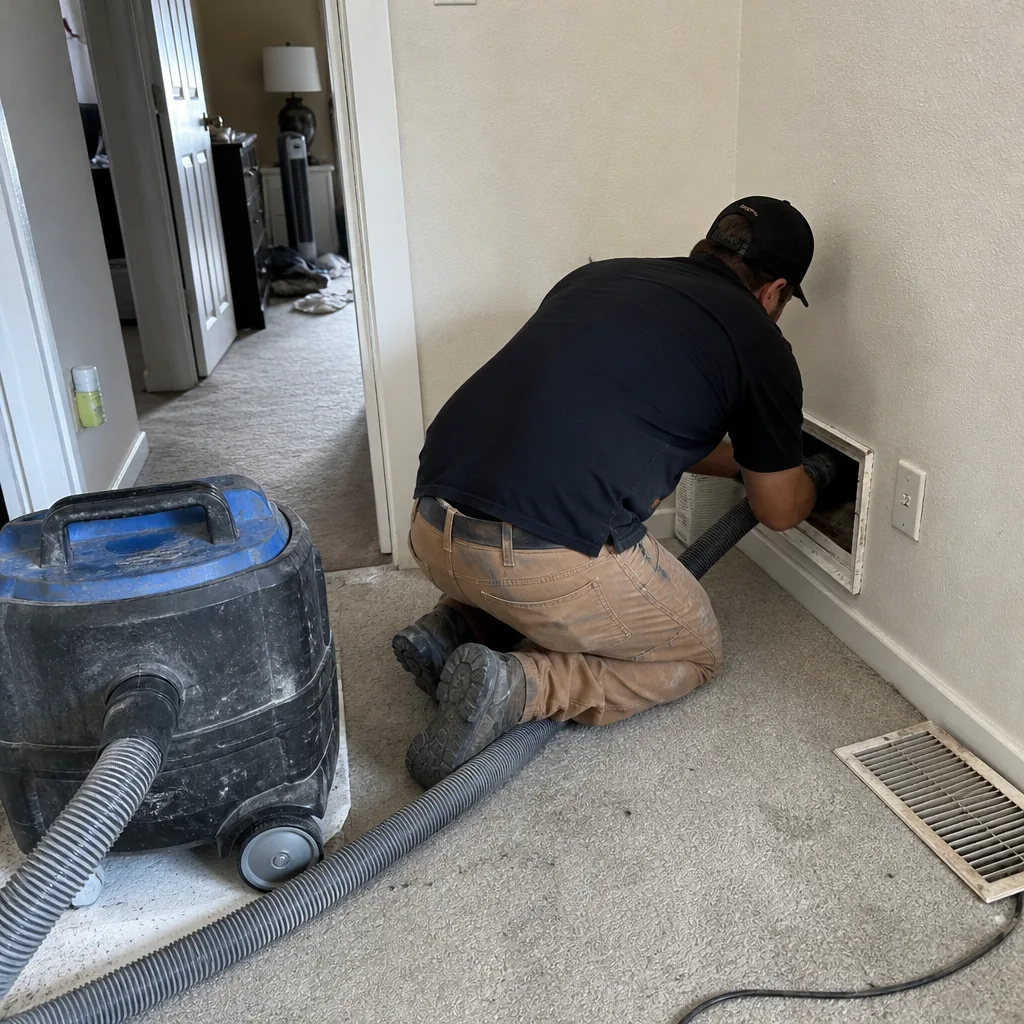 Before
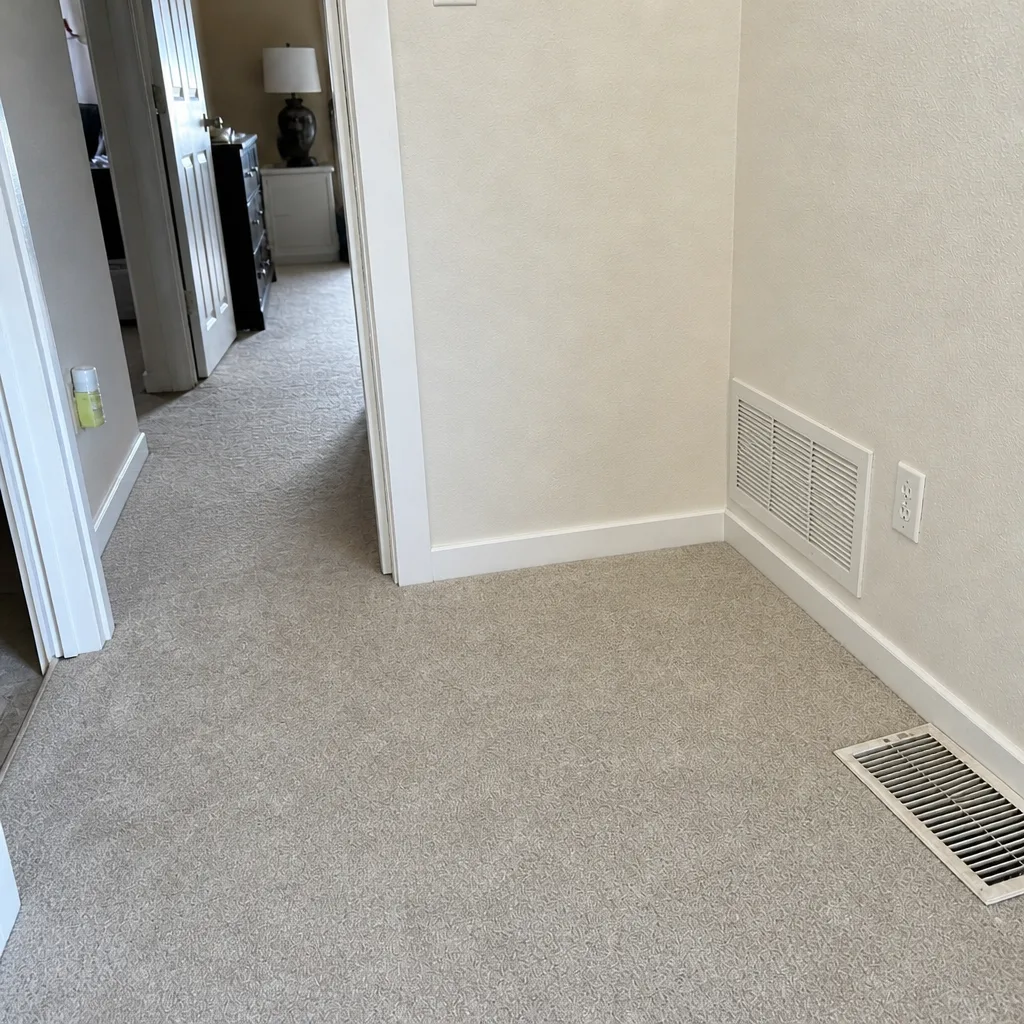 After
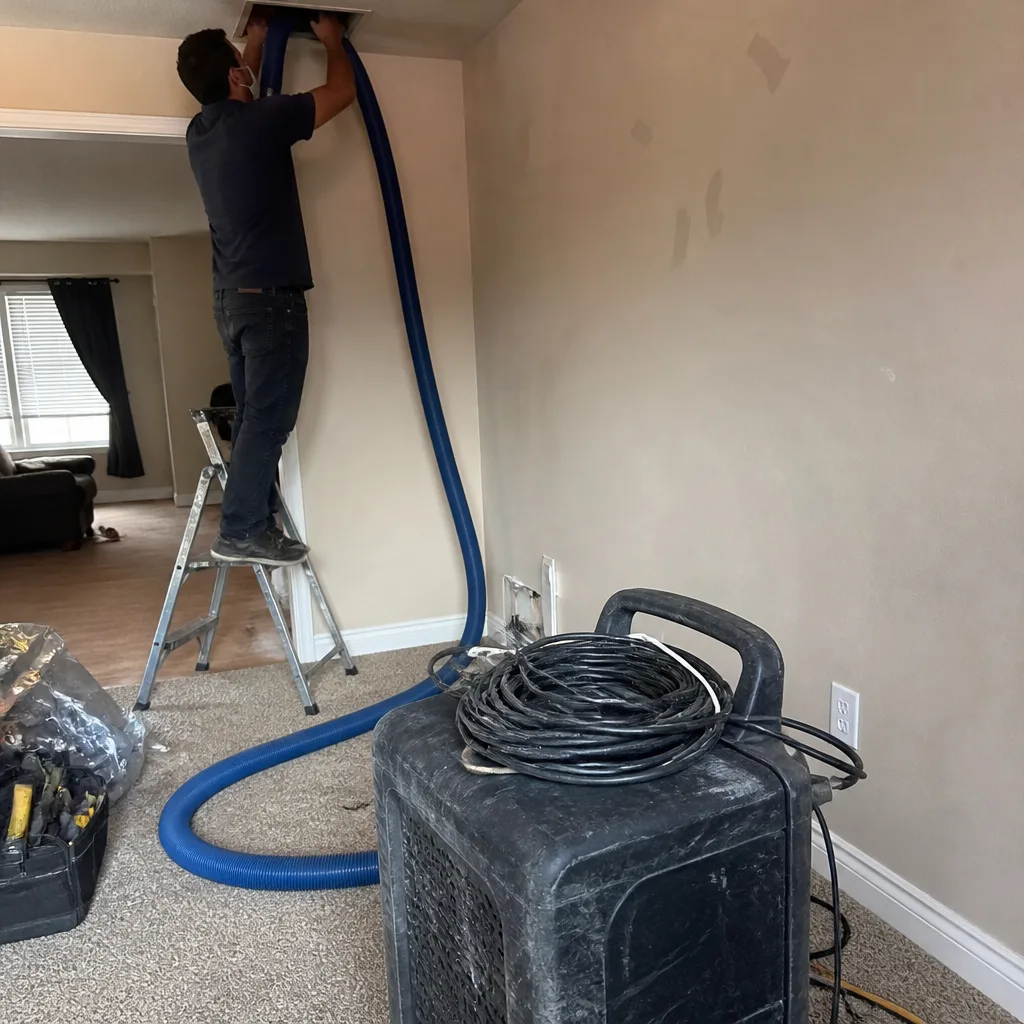 Before
 After
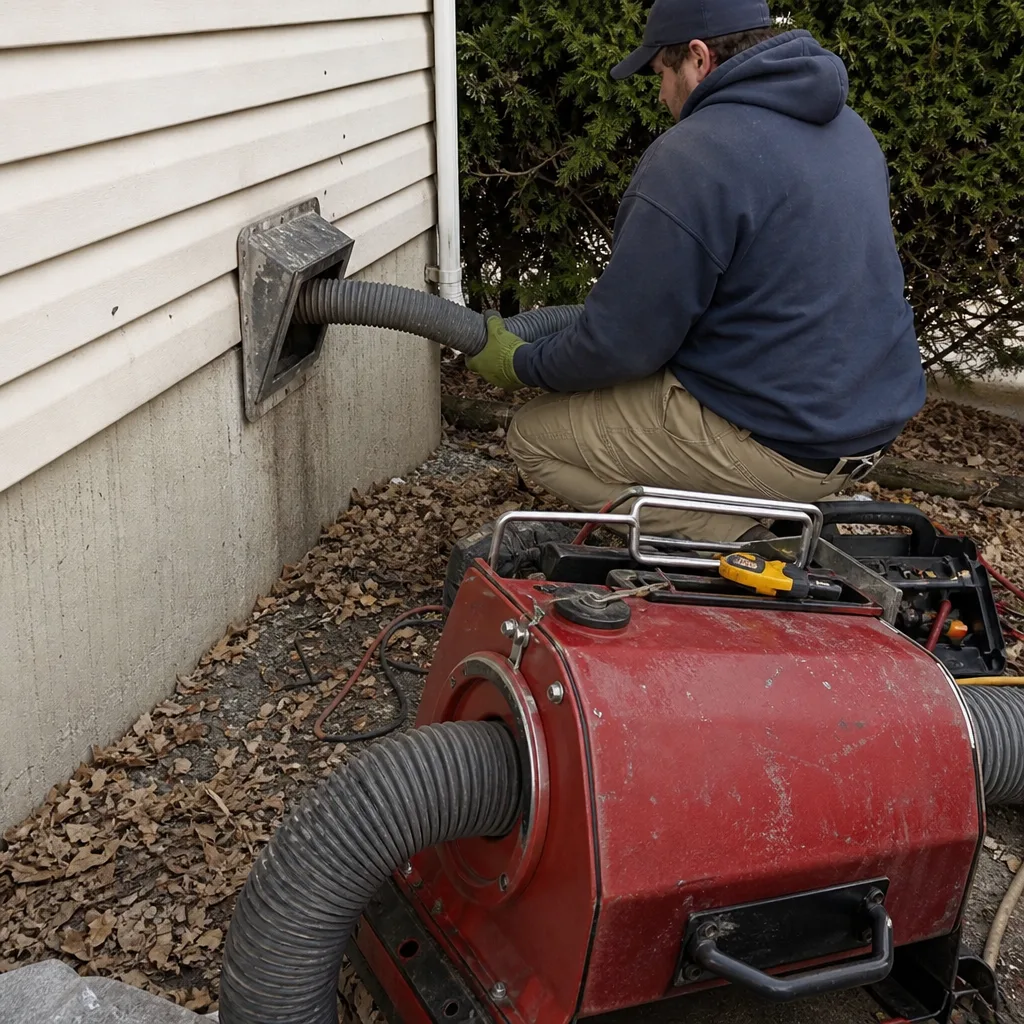 Before
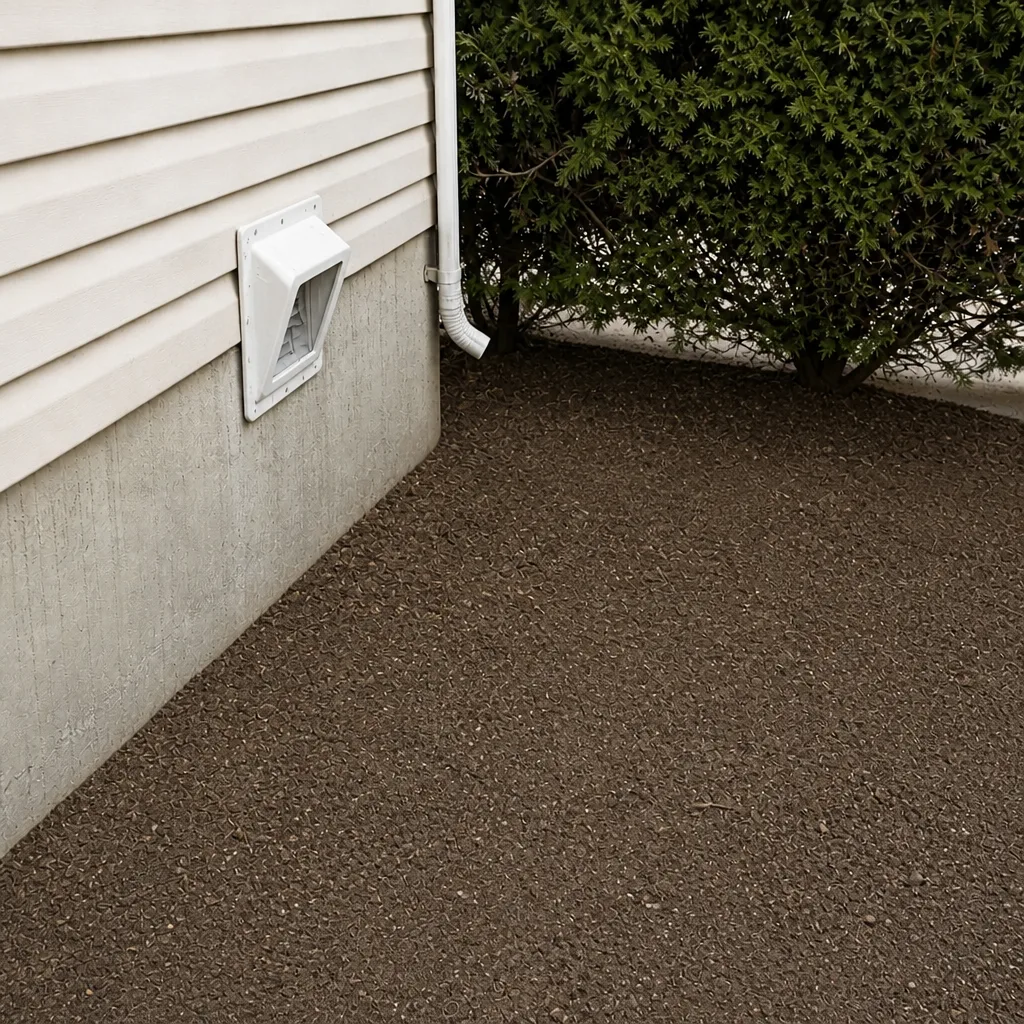 After
When to Call a Professional
Some signs are clear enough that a call is the obvious next step. Schedule an inspection if you’re seeing visible dust on supply registers within a week of a cleaning, if you’re hearing whistling at return grilles, if the house smells musty on the first cool day of fall, or if you’re near active construction and filter changes have gone from quarterly to monthly. Recent renovation or a move-in to a previously occupied home are also strong signals to get the system evaluated, and any home with allergy sufferers, young children, or older adults is worth scheduling proactively rather than waiting for symptoms. Duct Cleaning Provo offers free estimates in Provo; call Duct Cleaning Provo at (877) 798-7857 to talk through timing. We answer 24/7, with fast dispatch from 7am to 7pm, Sunday through Friday. If you’re not sure whether the timing is right, a 10-minute phone conversation usually settles it.
Frequently Asked Questions
Most Provo homes do well on a schedule of professional cleaning every two to three years, timed to late August or early September. Homes near active construction (south Provo, Springville border zones), homes with pets, and homes with allergy sufferers often benefit from cleaning more frequently, roughly every 12 to 18 months. A fixed annual schedule isn’t necessary for most households; the right interval depends on how the system loads up.
Yes, for most homes. Late August or early September cleaning means you handle the accumulated summer load and any wildfire smoke residue before furnace season. October cleaning means the first heating cycle pushes a full summer of debris through living spaces first. If you’ve already missed late August, an early October cleaning is the second-best option. Call (877) 798-7857 for an exact quote on your specific system – estimates are free and the written estimate sets the final price.
MERV-11 is the practical choice for most Provo homes through the winter months. It captures the fine particulate that’s most relevant during inversions without overstressing the furnace blower. MERV-13 is only appropriate if your furnace documentation or HVAC technician confirms the blower can handle the airflow restriction. Higher than MERV-13 is generally not suitable for a standard residential furnace.
The cheaper quotes are almost always from providers using portable shop vacuums rather than professional-grade equipment. A portable vacuum can pull some surface dust but can’t agitate debris loose from the duct walls, which means the cleaning looks like it’s done but the ducts are still loaded. The visible difference shows up over the following weeks. If a quote comes in far below typical pricing for Provo, ask what equipment they use before booking.
Ask for before-and-after photos of your own ducts, not stock photos. Professional crews using Rotobrush or Nikro equipment can document the inside of the duct work at multiple points. A cleaning that can’t be photographed is a cleaning that should be questioned. The written estimate sets the final price, and the photos confirm what was removed.
If dust returns to registers within days of a cleaning, if airflow is uneven across rooms with no zoning explanation, or if you can see crushed or disconnected flex duct in the attic or crawl space, the answer is repair first, cleaning second. Cleaning alone won’t fix a system that’s leaking or has structural failures. The inspection tells you which applies. Call (877) 798-7857 to schedule an assessment – estimates are free.
The Bottom Line
Timing a duct cleaning to Provo’s actual seasons gets you a better result than following a generic annual schedule. Late August or early September is the optimal window for most homes because it clears the summer’s accumulation before the furnace pushes it into the living space. Inversion season calls for a MERV-11 filter and consistent filter checks. Spring is when to verify the condensate drain and cooling system. Construction zones in south Provo and near the Springville border need attention more often than the rest of the valley. And remember that some duct problems are repair issues, not cleaning issues. Align the maintenance to those patterns and the system stays clear through all four seasons.
When you’re ready to schedule, we work with professional-grade equipment (Rotobrush, Nikro, Abatement Technologies, Guardsman) and match the work to what the Provo climate is actually doing at the moment. Call (877) 798-7857 for a free estimate. We answer 24/7. Fast dispatch from 7am to 7pm, Sunday through Friday.
Written by the team at Duct Cleaning Provo.