
Last updated November 16, 2026
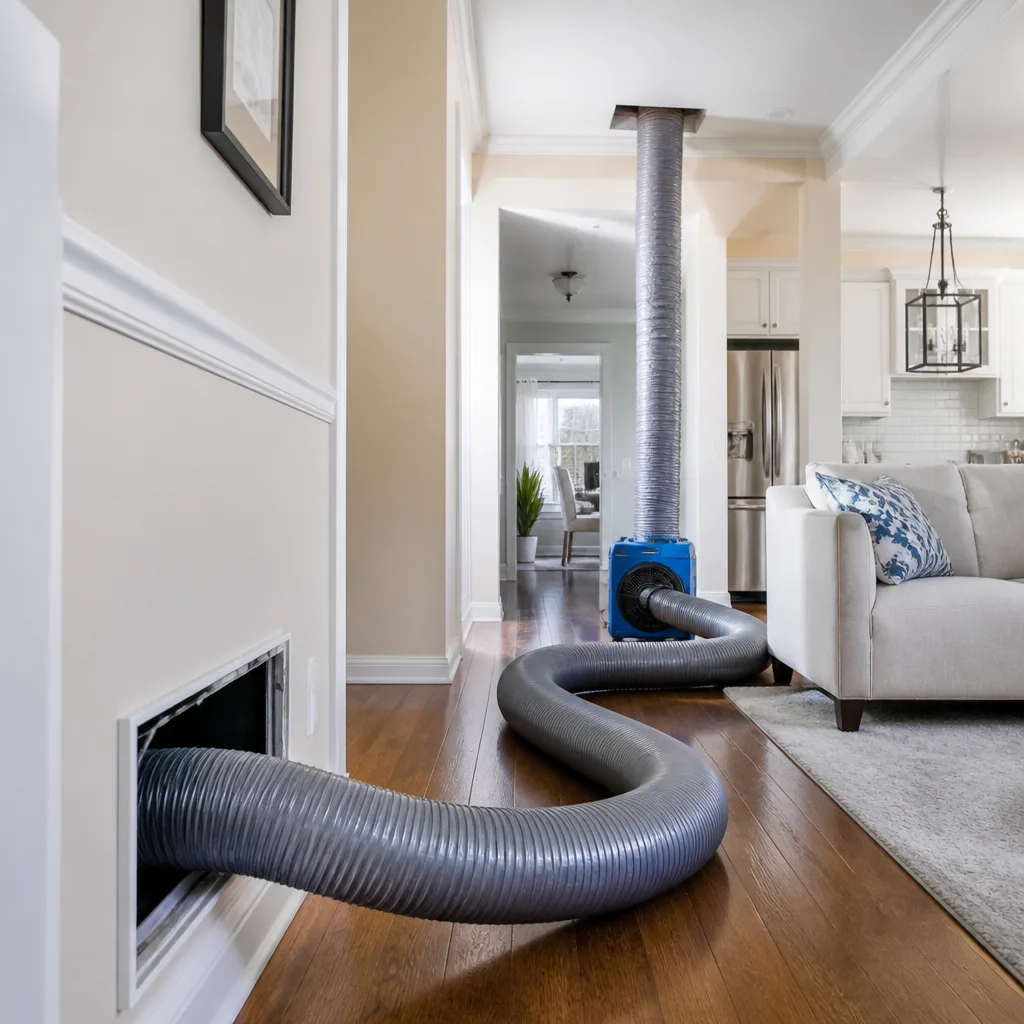 Whole-home duct cleaning
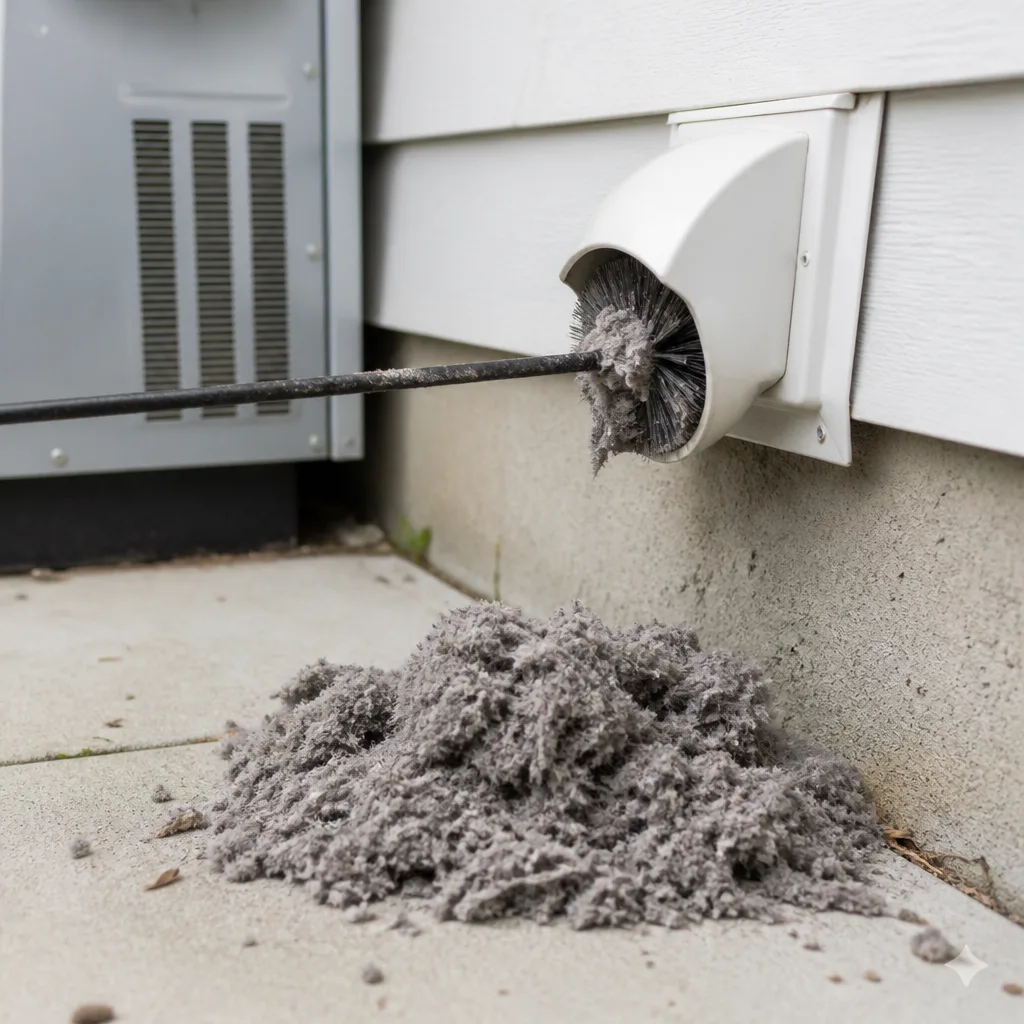 Dryer vent cleaning
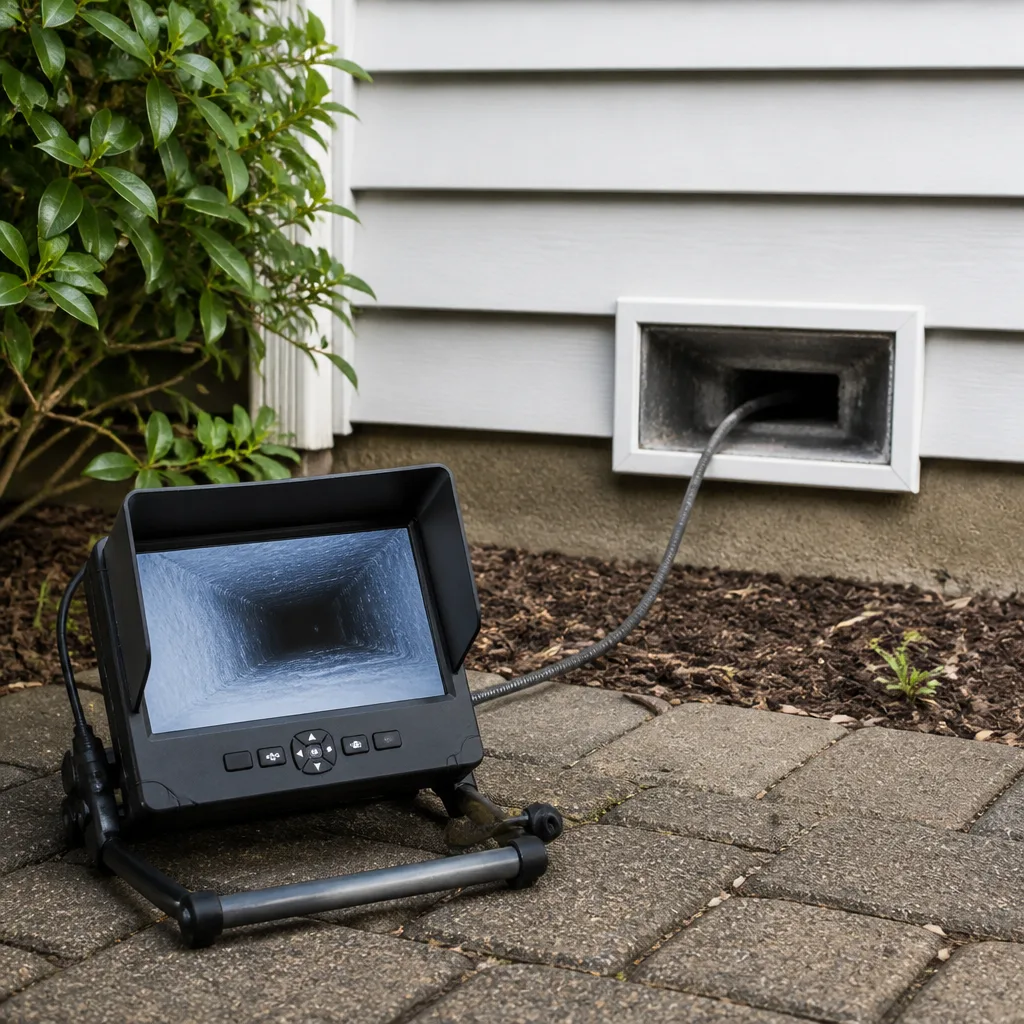 Camera inspection
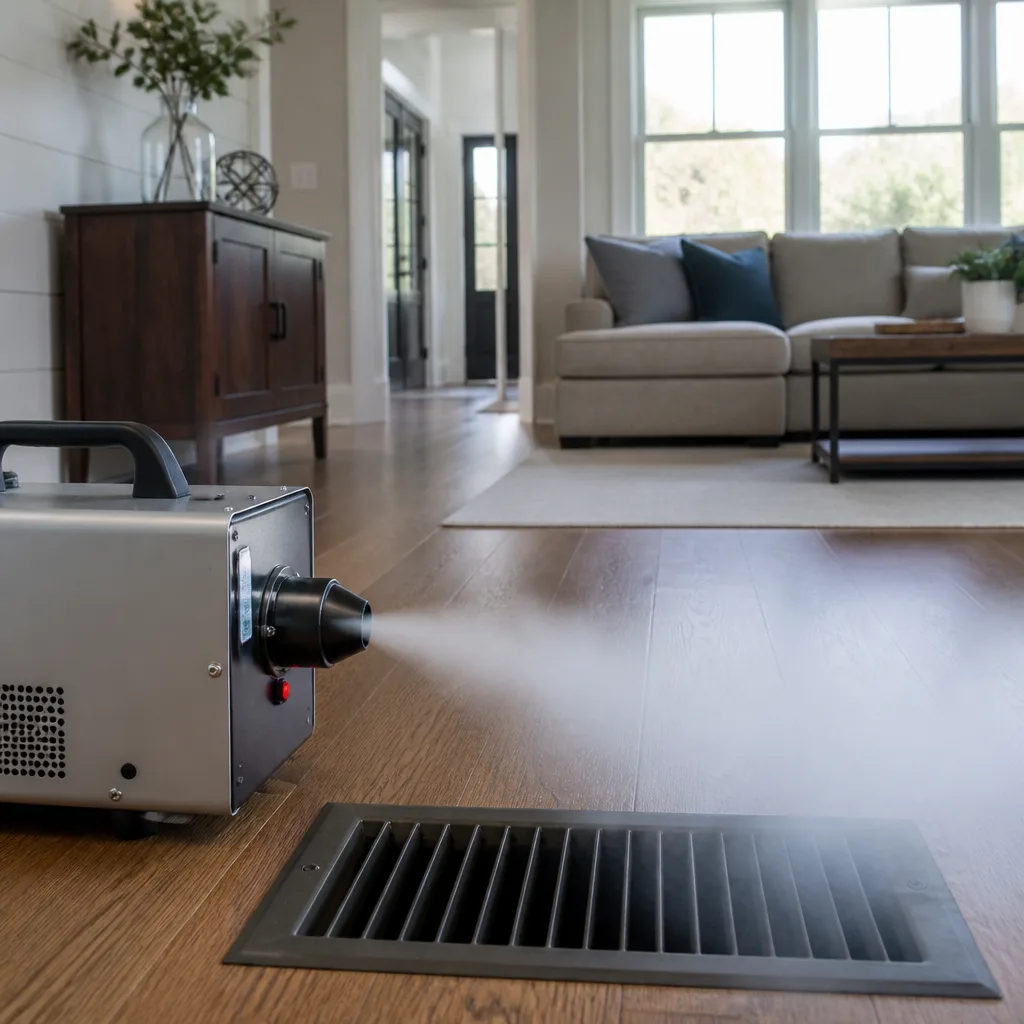 Sanitizing & deodorizing
Whole-system duct and dryer vent check with before-and-after photos - you see exactly what came out of your vents
That "$99 whole-house special" is a bait ad - the real number appears once they are in your hallway, or the "clean" is a shop-vac at the register. We photograph the inside of your ducts before and after instead.
Air Duct Cleaning Maintenance Checklist for Provo Homeowners
A dirty filter is easy to spot. A collapsed flex duct section or a disconnected trunk line joint, both common in Provo homes built in the 1990s, can go unnoticed for years while routing conditioned air into your crawl space instead of your living room. Most maintenance checklists you’ll find online are really just filter-change reminders dressed up as inspection guides. This one is different. What follows is built around the actual inspection points a technician works through before and after a professional clean, translated into plain language you can use between service visits. You’ll get a room-by-room register protocol, a filter-grade schedule for Provo’s inversion months and summer smoke, a simple maintenance log, and clear signals that it’s time to call in professional equipment.
Quick Answer
A practical air duct maintenance checklist for a Provo home covers five things: a quarterly room-by-room register check with a flashlight and tissue, filter replacement logged on a calendar, seasonal filter-grade adjustments for inversion and wildfire-smoke periods, a yearly inspection of exposed ductwork in the attic and crawl space, and a full professional cleaning every three to five years or sooner if you’ve had pets, a renovation, or water intrusion. Most of that work you can do yourself. The register-airflow checks and the visual inspections of exposed runs catch the majority of problems early.
Styles & brands we work with
- Whole-home duct cleaning
- Dryer vent cleaning
- Camera inspection
- Sanitizing & deodorizing
Table of Contents
- The Room-by-Room Register Check
- How to Log Filters, Airflow, and Odors
- Seasonal Filter Grades for Provo Air
- The Attic and Crawl Space Access Check
- Early Signals You Need Professional Attention
- Renovation Dust and Post-Flood Humidity
- How Often Does a Provo System Really Need Cleaning?
- Common Mistakes to Avoid
The Room-by-Room Register Check
Start here, because this is the single most useful thing you can do without any special tools. The register check takes about ten minutes per floor and tells you more about system health than any visual inspection of the furnace. You need a flashlight and a single square of tissue. Nothing else.
Here’s the protocol. Work one room at a time, starting farthest from the air handler and moving toward it:
- Turn the system fan to “on” (not “auto”) at the thermostat so air moves constantly without the heat or AC cycling.
- Hold the tissue against the face of the register, a couple of inches off the grille. It should pull toward the grille firmly and stay there.
- Note how it feels. Firm pull, weak flutter, or no movement at all.
- Shine the flashlight into the register throat. Look for dust buildup on the damper blades, visible debris, pest droppings, or anything soft blocking the opening.
- Follow the supply register’s ceiling or floor location in your mind’s eye and check nearby return registers the same way.
- Write down the result for each room in your log (see the next section).
What you learn from this is real diagnostic information. A room with weak or no pull while other rooms feel strong usually means a damper is closed, a branch duct has disconnected or collapsed, or the register boot has pulled away from the ceiling or floor. Weak pull everywhere points to a filter problem, a blower issue, or a return duct that’s undersized. In our experience, Provo homes with finished basements and long flex runs are the most common place to find a single branch that’s been quietly underperforming for years. Run this check every three months, ideally at the changes of season.
How to Log Filters, Airflow, and Odors
The easiest way to help any future technician diagnose your system is a simple maintenance record kept in one place. Any notebook works, a note on your phone works, a shared spreadsheet works. The point is that the information lives somewhere other than your head. When a technician arrives, a log with a year of filter dates and airflow notes can shave real time off the diagnosis.
At minimum, record these five fields:
- Filter change date: The day you swapped it in, and the brand or MERV rating you used.
- Airflow observations: One line per room after each register check. “Strong,” “weak,” or “none,” plus anything unusual you saw inside the register throat.
- Odor events: Any time you notice a musty, dusty, or chemical smell when the system first kicks on. Note the date and which room it was strongest in.
- Weather events: Dust storms, long inversion periods, nearby wildfire smoke, heavy rain. These track with filter loading and interior dust.
- Work done: Any HVAC service, renovation, or duct work completed, with the date.
The odor field is worth its own paragraph. A musty smell at startup is often the first sign of biological growth inside an evaporator coil, a duct liner, or a drip pan. It’s not a reason to panic, but it is a reason to bring in a professional inspection rather than keep changing filters and hoping the smell goes away. When it comes to diagnosing that kind of odor, the technicians at Duct Cleaning Provo use professional-grade camera and inspection equipment to trace where the smell is originating before recommending a fix. A log that names the date, room, and weather makes that job faster and cheaper for you.
Seasonal Filter Grades for Provo Air
Provo has two air quality seasons that matter, and they call for two different filter strategies. Most homeowners pick one grade and leave it, then wonder why the filter clogs in February or why airflow feels sluggish in August. Neither is a mystery once you look at what the air is doing month to month.
From roughly December through February, temperature inversions trap cold air and fine particulate in the Utah Valley. Those weeks call for a mid-to-high MERV filter in the MERV 11 to 13 range, assuming your system can handle it without choking airflow. The trick most people miss: a higher MERV filter loads up faster in the inversion season, so you may need to check and replace it monthly during that stretch rather than on the usual three-month cycle.
From roughly June through September, wildfire smoke is the other variable. Smoke produces ultra-fine particles that standard filters don’t capture well, and pushing to a MERV 16 without confirming your air handler’s static pressure capacity can cause more problems than it solves. If you have a whole-home air quality component, this is where understanding the system matters. Technicians trained on integrated air quality systems from brands like Honeywell and Aprilaire can tell you what MERV rating your specific unit can handle without blowing blower performance. A quick call before you buy the wrong filter saves a service visit.
The practical schedule looks like this:
- Winter (inversion season): MERV 11 to 13, checked monthly.
- Spring: Standard MERV 8 to 11 as dust drops off, back to a three-month cadence.
- Summer (wildfire season): MERV 11 to 13, checked monthly and replaced whenever the media looks grey.
- Fall: Standard grade, and a good time for the annual duct inspection.
Whichever grade you pick, log the date. You’ll thank yourself later when the system feels off and you need to know how old the filter actually is.
The Attic and Crawl Space Access Check
This is the check most Provo homeowners skip, and it’s the one that catches the biggest problems. In a lot of homes built in the 1990s across Provo, ductwork runs through attic space or a crawl space where it’s exposed to temperature extremes. Those exposed runs are the ones that fail first, and the failure is rarely loud.
Twice a year, ideally in the shoulder seasons when the attic or crawl space is comfortable to enter, take a look at every visible foot of ductwork. A flashlight and a pad of paper are enough. What you’re looking for:
- Disconnected joints: Look at every transition between a trunk line and a branch, and every elbow. Pressurized air leaks at any gap, and a fully disconnected joint can dump a large fraction of your conditioned air into the attic or crawl space instead of your living room.
- Collapsed flex duct: Flex duct that runs a long distance with too many turns can kink or flatten. A flattened section is a partially blocked airway, and it’s invisible from inside the house.
- Torn or missing insulation: Duct insulation that’s pulled away from the pipe will sweat in the coldest months and drip into the crawl space.
- Sagging runs: Unsupporting flex duct sags under its own weight. Anywhere it sags, condensation and dust buildup follow.
- Pest evidence: Rodent droppings, chewed duct liner, or a nest in a register boot. This is contamination that a cleaning alone may not solve.
- Moisture staining: Any dark ring or damp spot on the underside of the duct or the surfaces around it.
Your goal here is to document, not repair. Take notes and a couple of phone photos. If you find a disconnected or collapsed section, that’s an air duct and ventilation problem, not a cleaning problem, and it’s worth bringing in someone who handles air duct cleaning and repairs together. Our technicians work with professional containment equipment from Abatement Technologies, which is the same gear remediation crews use for contamination control, and that matters when a crawl space run has been open to a dirty environment for a long time.
Early Signals You Need Professional Attention
The standard advice is to clean ducts every three to five years. That’s a useful starting interval, but it’s not a rule, and a home with allergy-sufferers, pets, or recent construction should be on a shorter cycle. Here’s what tips the scale from “schedule it later” to “schedule it now”:
- Visible dust trails at the registers: Dark streaks radiating from the supply grilles mean dust is coming out, not just accumulating in the duct.
- Pet dander accumulation: Homes with long-haired pets, or multiple pets, build up dander and hair in duct liner far faster than the 3 to 5 year average assumes.
- Recent renovation dust: Drywall dust is fine, abrasive, and settles into every horizontal run. If you’ve torn out a wall, laid new flooring, or finished a basement, the system needs a clean and possibly a containment setup while the work happens.
- Post-flood or high-humidity events: Any plumbing leak, appliance failure, or long stretch of humid weather that reaches ductwork is a reason to inspect for biological growth before it spreads.
- Odor at startup: A musty or dusty smell that appears within the first minute of the system turning on, especially if it’s consistent, means something is growing or accumulating that shouldn’t be.
- Allergy symptoms that get worse indoors: If someone in the household is reacting more inside than outside, the duct system should be on the shortlist.
- High utility bills with no other explanation: A duct system leaking conditioned air is a common and quiet cause.
None of these single signals is an emergency. Together, two or more is a solid reason to book an inspection. In our experience, homeowners in Provo who call after a renovation or a plumbing leak are usually right to, and the work is often straightforward when it’s caught early. Reach out at (877) 798-7857 for a free estimate. We answer 24/7. Fast dispatch from 7am to 7pm, Sunday through Friday.
Renovation Dust and Post-Flood Humidity
Two events deserve their own section because they’re the most common cause of early duct service in Provo homes: renovation and water intrusion. Both produce contamination that a filter can’t handle, and both are easier and cheaper to address before the system runs for weeks.
When a renovation begins, seal every register in the work zone with plastic sheeting and painter’s tape, and change the filter when the work ends. Drywall dust is relentless. It stays airborne for days, settles into horizontal duct runs, and clings to flex duct liner more stubbornly than ordinary household dust. If the renovation is large, or if a major wall or ceiling has come down, the duct system should be cleaned afterwards rather than just filtered. Professional equipment from brands like Nikro and Rotobrush is built to agitate and extract settled debris, which a vacuum at the register can’t do.
Water intrusion works the opposite way. A supply-line leak, a failed water heater, or a slow plumbing drip in the crawl space raises humidity around ductwork, and duct liner is an excellent place for biological growth to start. A musty smell, condensation on duct surfaces, or visible staining are all signs to have the system inspected. Sitting on it means the growth spreads into the air handler and beyond, and the eventual fix gets more involved. When there’s active contamination, containment matters, and our technicians use Abatement Technologies negative-air equipment for exactly that reason. Whether you call us or someone else, ask the question: does the crew have containment? It’s the right question to ask.
How Often Does a Provo System Really Need Cleaning?
Three to five years is the right baseline for most homes, and that range accounts for ordinary dust load. It’s not the right answer for every home in Provo, and here’s how to know if yours is a candidate for more often or less:
- Standard household, no pets, no recent work: 3 to 5 years.
- One or more pets: 2 to 3 years.
- Allergy or asthma in the household: 2 to 3 years, with an inspection in between.
- Recent renovation: Immediately after the work ends.
- Water intrusion or visible growth: Immediately, with containment.
- New construction or recently purchased home: Before you move in, if possible, so you know the starting condition.
If you’re in one of the more-urgent categories, or you just aren’t sure when the last cleaning happened, book an inspection. An inspection answers the question for the next few years rather than leaving it to guesswork. Provo homeowners who call us for a free estimate typically get a specific recommended interval based on what we actually see in the ducts, not a generic schedule.
Common Mistakes to Avoid
- Relying only on the filter reminder that came in the mail. Filter changes matter, but they don’t catch a disconnected trunk joint or a collapsed flex run. The register check and the attic inspection are what catch the expensive problems.
- Buying the highest-MERV filter available. A MERV 16 in a system rated for MERV 11 cuts airflow and forces the blower to work harder. Pick the grade for your specific air handler, not the highest on the shelf.
- Ignoring a musty smell because the ducts “look fine.” Comfortable crawl spaces in Provo homes are still humid enough to grow biological contamination. Trust your nose and get it inspected.
- Choosing a duct cleaning quote by the lowest price. The discount offers that come with a teaser price per vent usually land on a surface vacuum at the register, not a full agitation and extraction. Ask what equipment the crew uses before you book. Professional-grade equipment tells you a lot about what you’re actually paying for.
- Skipping the dryer vent. A dryer vent full of lint is a fire risk, and the NFPA links dryer vent maintenance directly to reduced home fire risk. Add a dryer vent cleaning to your annual checklist and don’t put it off.
- Assuming a cleaning fixes duct leaks. A clean duct system is still a leaky one if a joint is disconnected. Repair and cleaning are separate jobs and often both need doing. Our technicians offer air duct repair as a standalone service for exactly this reason.
- Not keeping any record. A log is cheap and fast to keep, and it makes every future diagnosis easier. Skipping it means every technician starts from scratch, and some problems repeat because nobody knew they’d happened before.
See the difference
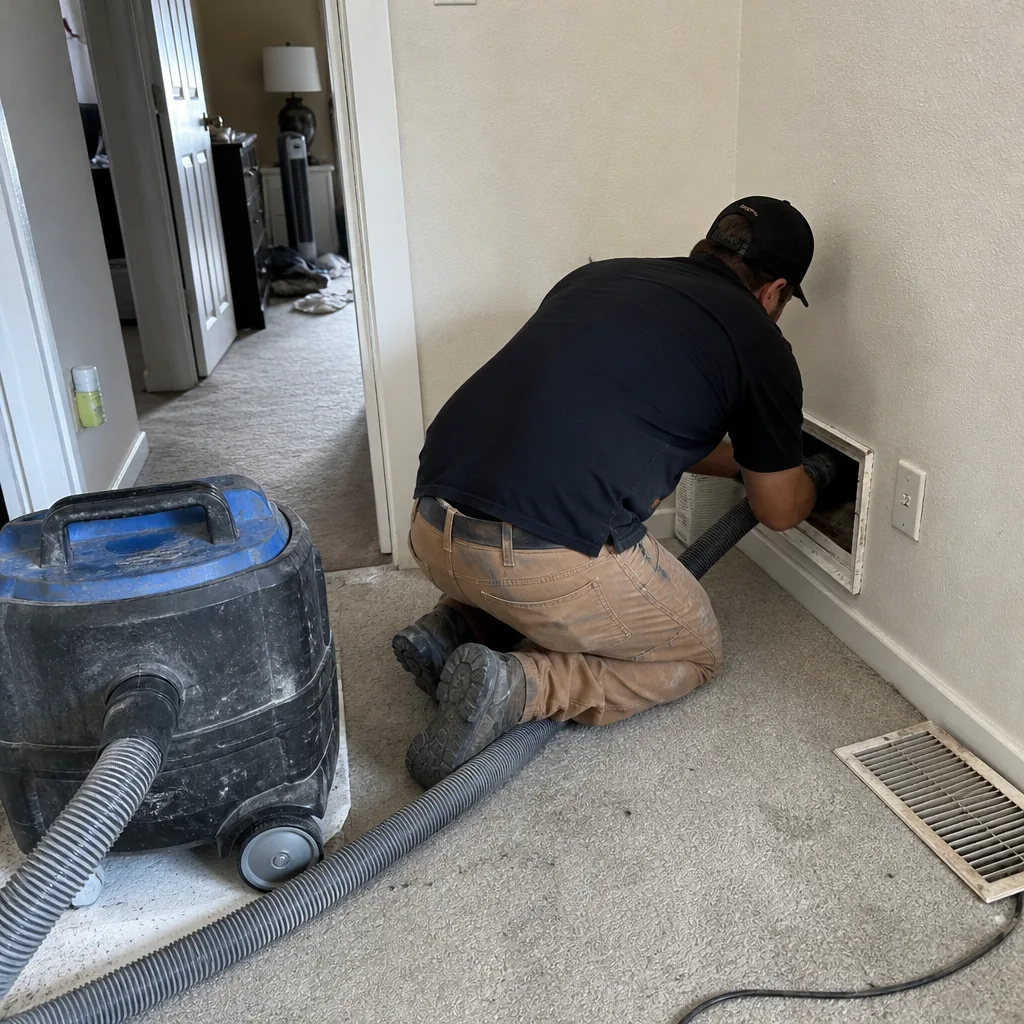 Before
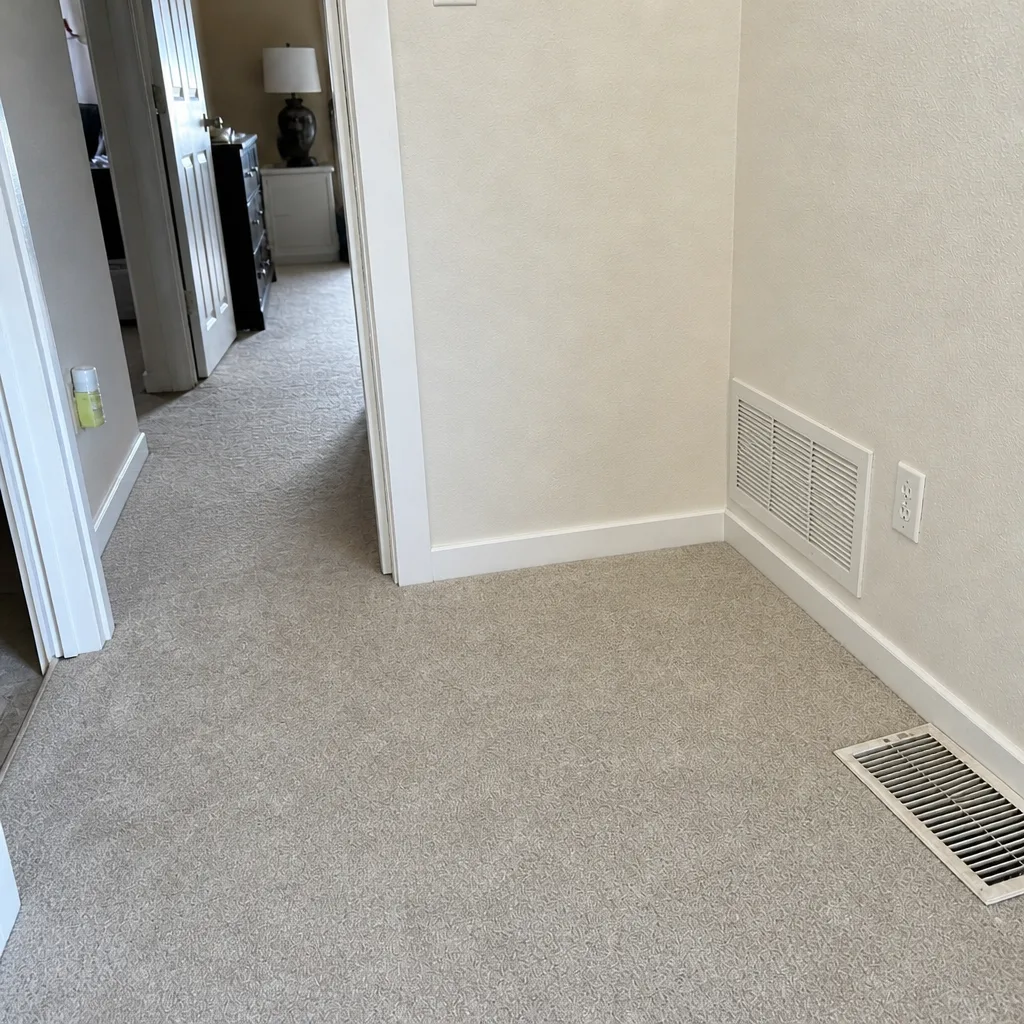 After
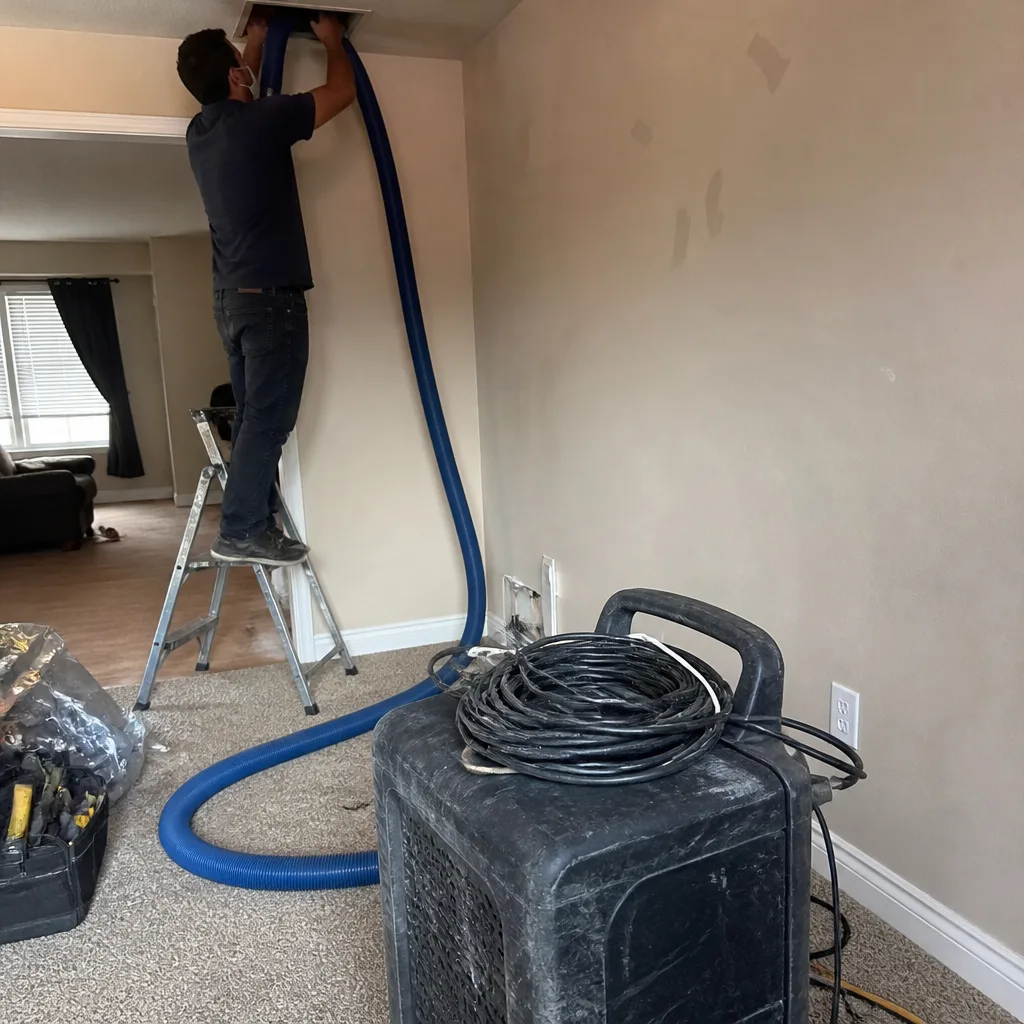 Before
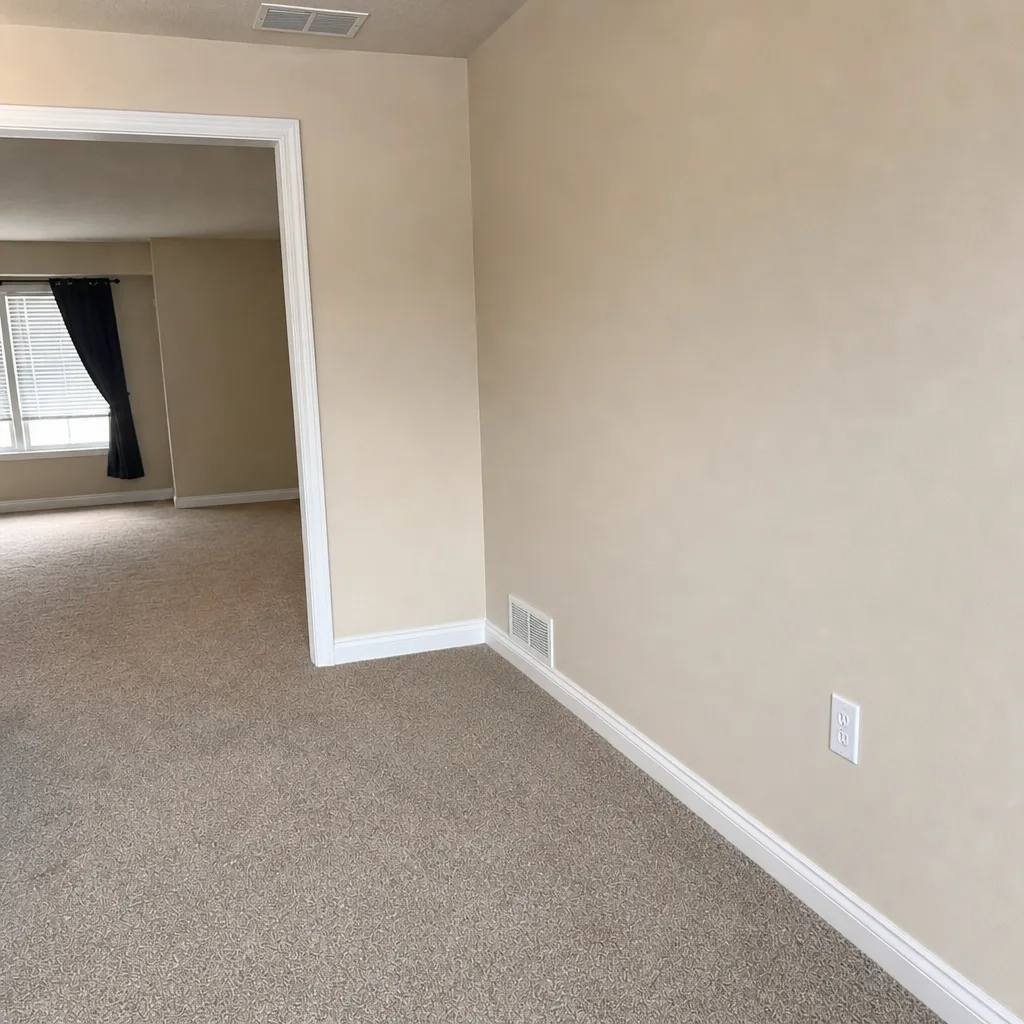 After
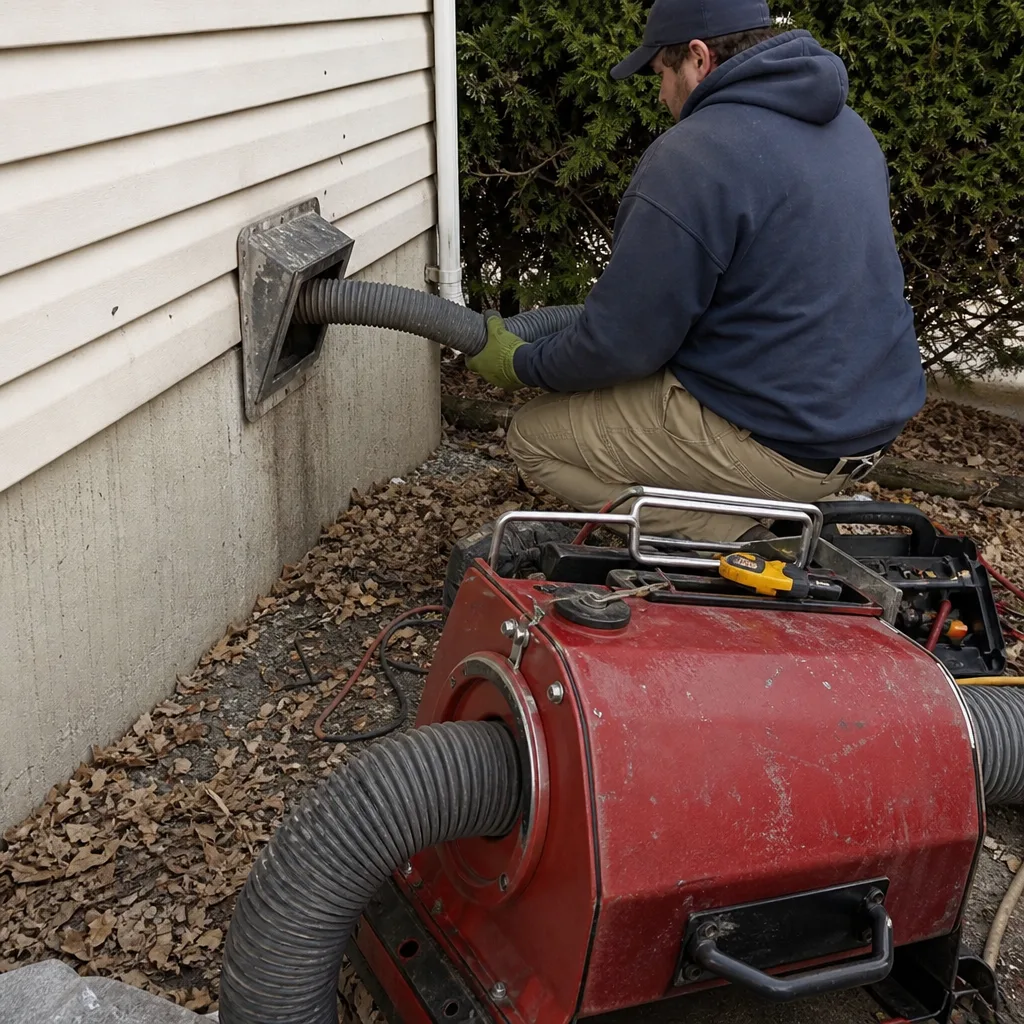 Before
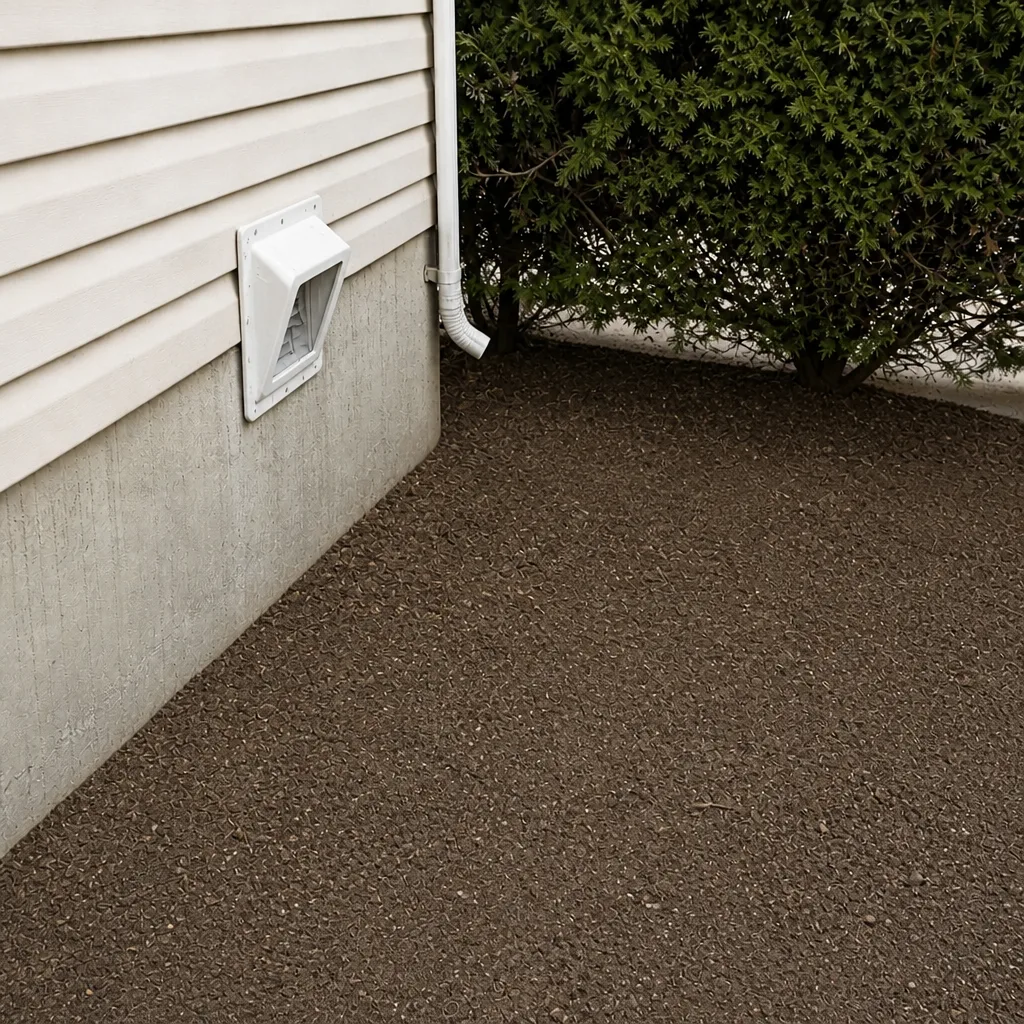 After
When to Call a Professional
You can handle the register check, the filter log, and the visual inspection in the attic or crawl space on your own. That’s real maintenance and it’s worth doing. Bring in a professional when you see a disconnected or collapsed duct section, find pest evidence in the system, notice odor at startup that a filter change doesn’t fix, have a recent renovation or water intrusion, or it’s simply been more than five years since the ducts were cleaned. A pro inspection with containment and professional-grade equipment is the right call in all of those cases, and the cost of waiting is usually more than the cost of the visit.
The team at Duct Cleaning Provo offers free estimates in Provo and can clean, repair, and maintain an entire ventilation system in one visit. Call (877) 798-7857. We answer 24/7. Fast dispatch from 7am to 7pm, Sunday through Friday.
Frequently Asked Questions
Every three to five years is the right baseline for most homes in Provo, and more often if you have pets, allergy-sufferers, or recent renovation dust. Keep a log so you know when the last service was. If it’s been more than five years, or you can’t remember, book an inspection. Call (877) 798-7857 for a free estimate.
Pricing depends on the number of systems in the home, the number of registers, the accessibility of the ductwork, and whether repairs are needed. That’s why we give one flat price per system, agreed before any work starts and set by the written estimate, rather than a per-vent teaser price. There’s no per-register charge once the price is agreed. Call (877) 798-7857 for a free estimate.
Cheap quotes usually reflect a smaller job: a portable vacuum at each register rather than contractor-grade agitation and extraction, and no containment. The price is lower because less work is being done. Ask the crew what equipment they use and whether they can show you before-and-after photos of the ducts. We use Rotobrush and Nikro equipment, and we document the work with before-and-after photos. Call (877) 798-7857 for a free estimate.
Ask for before-and-after photos of the ducts themselves, not the register faces. A crew using professional equipment will typically have no trouble providing them. We document every job with before-and-after photos, which is a good sign to ask for from any provider. Call (877) 798-7857 for a free estimate.
Yes. Inversion periods in Utah Valley trap fine particulate, which loads a filter faster than normal household dust. During winter inversions and summer wildfire smoke, check and replace the filter monthly rather than on the usual three-month schedule. Call (877) 798-7857 for a free estimate.
We handle three services: air duct cleaning, dryer vent cleaning, and air duct repair. That means a disconnected joint, a collapsed flex section, or a lint-clogged dryer vent can be addressed in the same visit as the cleaning, rather than being referred out. Call (877) 798-7857 for a free estimate.
The Bottom Line
The best duct maintenance routine a Provo homeowner can run is one that combines a simple quarterly register check, a filter log, seasonal filter grading, and an annual look at exposed ductwork in the attic or crawl space. That routine catches the disconnected joints and collapsed flex runs that no filter reminder will flag. When inspection turns up a real problem, or when the ducts are due for a professional clean, bring in a crew using actual contractor-grade equipment with containment capability. The difference between a surface vacuum and a real clean is the equipment, and it’s the right question to ask any provider. We offer free estimates in Provo. Call (877) 798-7857. We answer 24/7. Fast dispatch from 7am to 7pm, Sunday through Friday.
Written by the team at Duct Cleaning Provo.