
Last updated November 16, 2026
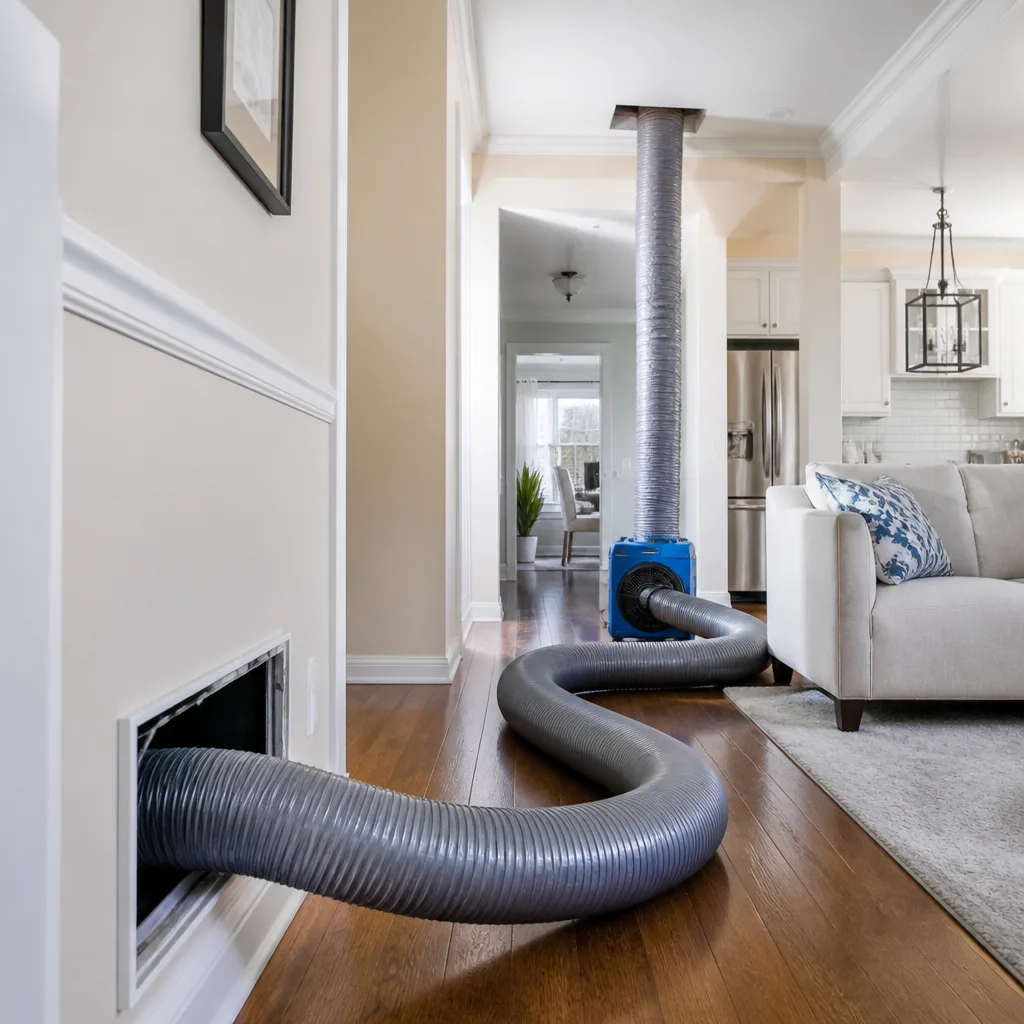 Whole-home duct cleaning
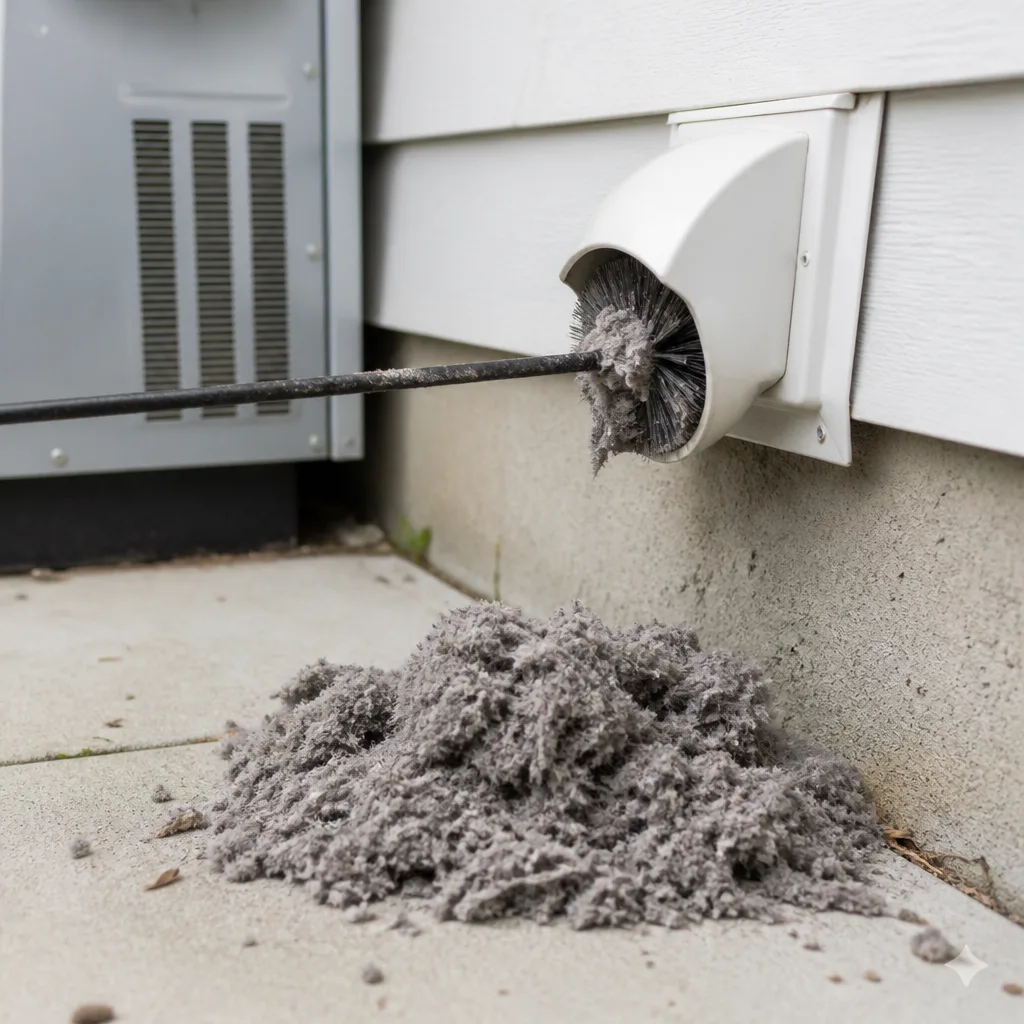 Dryer vent cleaning
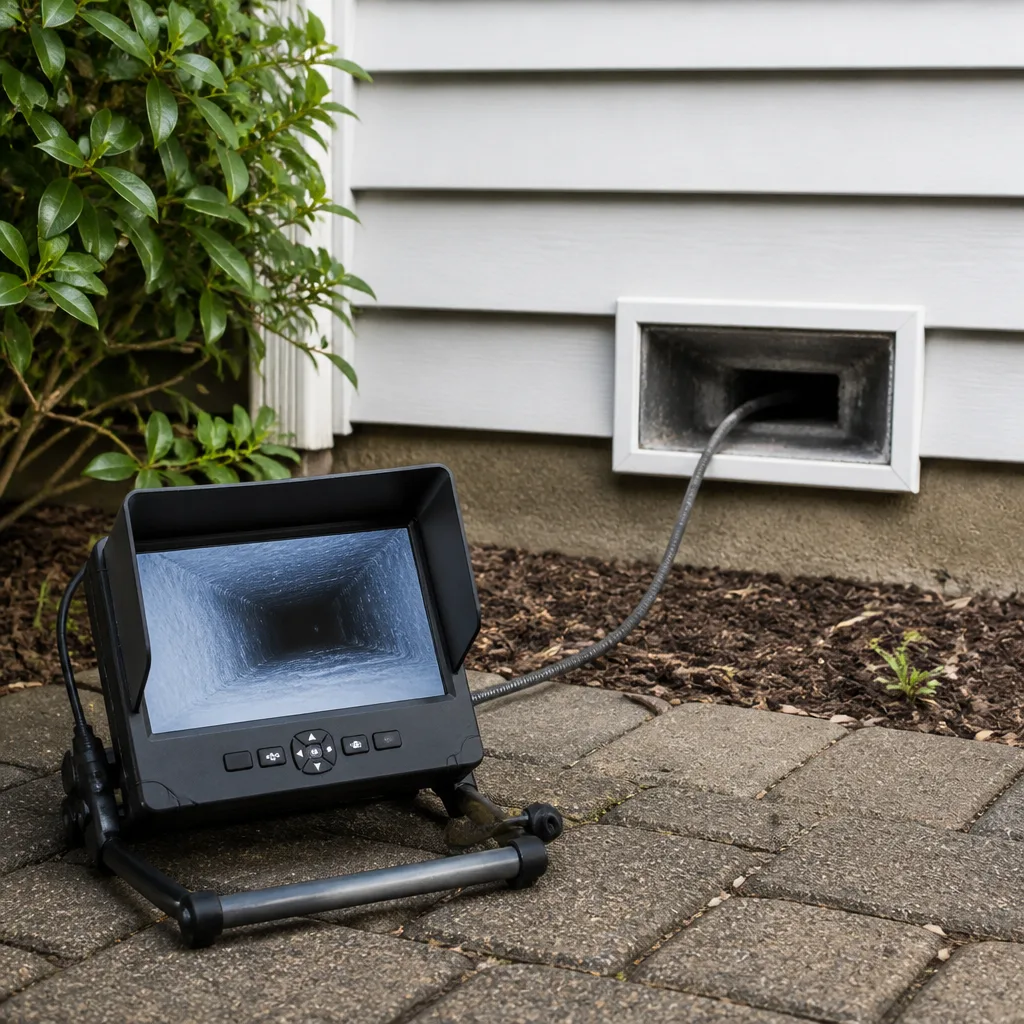 Camera inspection
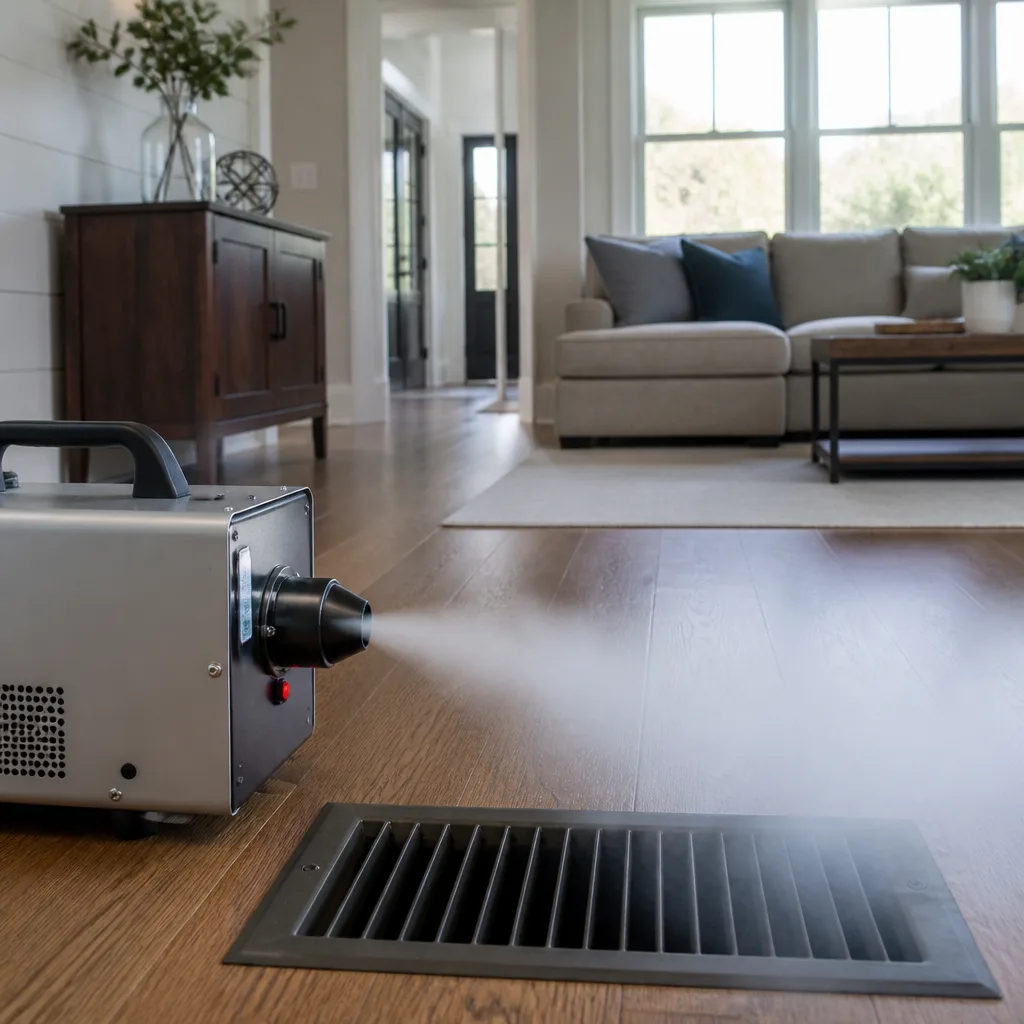 Sanitizing & deodorizing
Whole-system duct and dryer vent check with before-and-after photos - you see exactly what came out of your vents
That "$99 whole-house special" is a bait ad - the real number appears once they are in your hallway, or the "clean" is a shop-vac at the register. We photograph the inside of your ducts before and after instead.
Air Duct Cleaning Permits, Codes & Inspections in Provo, UT: What You Need to Know
Here’s the part that surprises most homeowners: cleaning ductwork doesn’t require a permit in Provo, but repairing it often does. The line between the two isn’t drawn by the duct cleaning company. It’s drawn by Utah’s mechanical code, and it becomes relevant the moment a technician reconnects a fallen trunk line, replaces crumbling duct board, or cuts into an HVAC component to make something fit. Most homeowners never ask where that line sits until a buyer’s home inspection pulls it into the light years later. This guide walks through the permitting rules, what Provo City’s building department actually cares about, how to get documentation that protects you at resale, and where cleaning ends and licensed remediation begins.
Quick Answer
Plain air duct cleaning in Provo does not require a building permit. Mechanical repair or modification of ductwork, however, generally does fall under Utah’s residential mechanical code, and work that isn’t permitted can surface as a problem during a future home sale inspection. Mold remediation inside ductwork may require a licensed remediation contractor rather than a cleaning company. The key is knowing which category your job falls into before the work starts, and getting it documented in writing.
Styles & brands we work with
- Whole-home duct cleaning
- Dryer vent cleaning
- Camera inspection
- Sanitizing & deodorizing
Table of Contents
- Cleaning vs. Mechanical Repair: Where Utah Code Draws the Line
- What Provo City’s Building Department Oversees
- How to Get a Paper Trail for Disclosure and Resale
- The Insurance and Liability Gap on Duct Failures
- When Mold in Ducts Crosses into Licensed Remediation
- Integrated Air Quality Systems and Honeywell, Aprilaire Components
- A Pre-Hire Inspection Checklist for Provo Homeowners
- Provo’s Climate and Housing Stock: Why Duct Problems Cluster Here
Cleaning vs. Mechanical Repair: Where Utah Code Draws the Line
Utah’s residential mechanical code treats ductwork as part of the HVAC system, not as a passive accessory. That distinction matters because cleaning an existing, intact duct system is maintenance. Reconnecting, replacing, or altering a duct system is mechanical work. The code doesn’t care whether a technician was hired to clean; it cares whether the system was modified.
In practice, the classification hinges on a few specific actions. If a technician only removes debris from the duct interior using negative-air equipment and rotating brushes, no permit is triggered. If the same technician discovers a disconnected trunk line and reconnects it, or swaps out a section of duct board because it’s deteriorated, that’s typically a mechanical repair. And a mechanical repair generally requires a permit through the local building authority before the work starts.
The gray area is real. Small fasteners, patched seams, and minor taping usually don’t rise to the level of mechanical modification. But anything that changes the shape, routing, or integrity of the duct system does. Here’s how the categories usually break out:
- Cleaning only (no permit): Brushing, agitation, and negative-air extraction of an intact duct system. No cuts, no disconnections, no component swaps.
- Minor maintenance (usually no permit): Re-taping a loose seam, tightening a hanger, replacing a filter. Cosmetic and non-structural.
- Mechanical repair (permit generally required): Reconnecting a separated trunk line, replacing failed flexible duct, removing and re-installing a plenum section, altering duct routing.
- Modification (permit generally required): Adding returns, resizing a run, or changing the configuration of any part of the system.
We’ve seen this distinction confuse Provo homeowners during pre-listing inspections. A repair that seemed like part of the cleaning job shows up on the inspection report as unpermitted mechanical work, and the seller has to produce documentation that may not exist. If you’re working with air duct cleaning as the service you’ve booked, ask up front whether the scope includes repair actions, and how those will be documented.
What Provo City’s Building Department Oversees
Provo City’s building department issues permits and performs inspections for work that falls under adopted building and mechanical codes. What they oversee regarding HVAC is specifically the structural and mechanical integrity of the system, not the cleanliness of the interior. That’s the important distinction here.
The building department doesn’t inspect duct cleaning. Nobody from the city is going to look inside your ducts after a cleaning job. But if ductwork is repaired or modified, and a permit was pulled for that repair, the department will typically inspect the completed work for proper connection, support, sealing, and material compliance. That inspection is your proof that the repair was done to code.
Homeowners sometimes assume the duct cleaning company handles the permitting if repair is needed. In practice, permits are usually pulled by the contractor performing the mechanical work, and the permit record is tied to that contractor and address. When you hire for a job that might include repair, here’s how to verify scope independently:
- Ask the contractor in writing whether the work involves any cutting, disconnecting, or replacing of duct sections. Get a yes or no.
- If yes, ask who pulls the permit. It should be the licensed mechanical contractor doing the work, with the permit recorded under your property address.
- Call Provo City’s building department directly to confirm whether a permit is required for the specific repair described.
- Request the permit number once it’s issued, and keep a copy of the final inspection sign-off.
- Verify the contractor’s state license for mechanical work through Utah’s Division of Professional Licensing, independent of anything the contractor tells you.
That fifth step catches more problems than the first four combined. A cleaning company can be perfectly legitimate and still not be licensed to perform mechanical repairs. If the scope crosses that line and the contractor can’t produce a state mechanical license, that’s your signal to separate the cleaning job from the repair job.
How to Get a Paper Trail for Disclosure and Resale
The single most useful thing you can walk away with is a written scope that clearly separates what was cleaned from what was repaired. Utah’s seller disclosure requirements put the burden on the homeowner to disclose known material defects and repairs. If your ducts were repaired during a cleaning and you don’t have documentation, that gap becomes a problem at resale.
Ask for documentation that includes these elements:
- Pre-work condition notes: what the technician found before touching anything, including any disconnected joints, crushed sections, or deteriorated duct board.
- Before-and-after photos: of the duct interior and any repair areas. Photos of the technician’s own work, not stock images.
- Scope statement: a clean line between “cleaned” and “repaired,” naming specific components. “Cleaned all supply and return runs; reconnected rear trunk joint at plenum” is documentation. “Serviced ductwork” is not.
- Materials used: if any sealing tape, mastic, or duct board was replaced, list the product and the quantity.
- Permit reference: if a mechanical repair was made, note the permit number and the issuing authority.
We include this in our standard job documentation, and we’ve found it’s the detail Provo homeowners most often say they didn’t get from a previous provider. When you’re selling a home in Provo, the buyer’s inspector will run a camera through the ducts and check the HVAC system. If the inspector sees a newer repair joint that wasn’t permitted, they’ll ask for proof. That proof either exists or it doesn’t.
The same paperwork protects you if a warranty dispute comes up years later. A duct repair that was documented in writing is far easier to defend as professional work than one that isn’t. It also helps when you’re comparing quotes from different providers and want to know how the scope has been assessed. Our Duct Cleaning Provo page lays out the general job structure if you want a reference point for what a well-documented scope looks like.
The Insurance and Liability Gap on Duct Failures
Here’s a scenario most homeowners don’t think about until it happens: a duct joint fails weeks after a cleaning job, and the contractor blames pre-existing conditions while you have no record either way. Without documented pre-work condition, you’re in a dispute with no evidence. The gap is entirely about the paper trail, not about whether the contractor carries insurance.
Liability exposure on ductwork runs in two directions. A contractor who disconnects or reconnects ducting can cause a failure if the connection isn’t resealed properly. A homeowner can also discover, after a failure, that the joint was already compromised before the work started. The only way to sort out which happened is to prove the pre-work condition, and that proof has to be created before the technician touches a single fastener.
Utah doesn’t mandate a specific documentation standard for duct cleaning, but the insurance industry does respond to evidence. If a claim is filed and the contractor has before-and-after photos, work scope notes, and a signed condition report, the claim usually resolves quickly. Without those, it becomes a he-said-she-said, and those claims linger.
Ask three questions before any job that might involve repair:
- Do you photograph pre-existing conditions on the ducts before starting?
- Is your scope written so that “repaired” and “cleaned” are separate line items?
- If a joint fails after your work, what’s the process, and what documentation do you provide to your insurer?
The last one is uncomfortable to ask. Ask anyway. A contractor who does this work routinely will answer without hesitation. One who hasn’t thought about it will show you something useful about how the job is run.
When Mold in Ducts Crosses into Licensed Remediation
Surface dust is a cleaning problem. Active mold growth inside ductwork is a different category of problem, and in many cases it’s not a job for a cleaning company. Whether it crosses into licensed remediation depends on the extent and cause of the growth, and the answer generally requires an assessment from a qualified indoor air quality professional before any work is scheduled.
Here’s the practical distinction most Provo homeowners miss: a small amount of surface discoloration on duct board near a bathroom exhaust is one thing. Visible mold across multiple runs, associated with a moisture source that hasn’t been fixed, or identified as a health-relevant growth in a home with allergy-sensitive occupants, is a different category. In those cases, a licensed mold remediation contractor should be involved, and the duct cleaning comes afterward, not instead.
The reason matters for your wallet and your disclosure obligations. Cleaning a moldy duct system without fixing the moisture source guarantees the mold returns. Cleaning a moldy system without the right containment tools spreads spores through the home. That’s why we use Abatement Technologies negative-air and containment equipment on jobs where contamination is a concern. It’s the same standard remediation contractors rely on, and it’s not a capability every residential duct cleaner has on hand.
If you’ve been told “we’ll just clean it and you’ll be fine” without anyone asking about the moisture source, that’s a signal. Ask where the moisture is coming from, whether the growth has been assessed, and who’s responsible for the remediation versus the cleaning. If the cleaning company can’t answer the moisture question, the cleaning shouldn’t be scheduled yet.
Integrated Air Quality Systems and Honeywell, Aprilaire Components
Many homes in Provo have whole-home air quality components built into the HVAC system: humidifiers, dehumidifiers, media filters, and UV systems from brands like Honeywell and Aprilaire. If your home has these, the duct cleaning process needs to account for them, because improper handling can damage the components or void manufacturer warranties.
The permitting question gets interesting here. Servicing a whole-home humidifier is generally not a mechanical code issue. Cutting a new hole in the return plenum to install a media filter cabinet is, because it’s a modification to the duct system. That’s a permit question, and it’s why the licensed contractor list matters even for air quality upgrades that look minor.
When you hire for cleaning, ask whether the technician is trained on your IAQ components. A media filter cabinet can be opened and serviced by anyone with a screwdriver, but a Honeywell or Aprilaire system has specific service requirements that affect the filter cartridge, airflow, and control sequence. Cleaning around these systems without understanding them is how homeowners end up with a filter that never seals, or a humidifier that stops functioning quietly.
We service systems built around Honeywell and Aprilaire components as part of standard duct cleaning, and we treat any needed mechanical change to those systems as a separate scope item with its own licensing question. If you have a whole-home air quality system and want the cleaning to work with it rather than around it, that’s a conversation to have before the appointment is booked.
A Pre-Hire Inspection Checklist for Provo Homeowners
Before hiring a duct cleaning provider in Provo, run through this checklist. It’s designed to catch the permit-versus-clean distinction before you sign anything, and to make sure the scope you’re paying for is the scope you’ll get.
- Ask about pre-existing conditions documentation. The provider should be able to describe how they document what they found before cleaning starts. Written condition notes with photos is the standard.
- Ask whether the job includes repair actions. If yes, get the repair scope in writing and ask who pulls the permit.
- Verify licensing for repair work. Cleaning and mechanical repair have different licensing requirements. Confirm the contractor holds the appropriate state license for the work being described.
- Check equipment brands on the estimate. Professional-grade equipment is a legitimate signal. Rotobrush and Nikro systems are industry standards for agitation and extraction. The mention of Abatement Technologies on a quote is a signal the contractor handles containment properly.
- Ask about IAQ component handling. If you have Honeywell or Aprilaire systems, ask how they’ll be protected during cleaning.
- Request before-and-after photos. Of the ducts, not the equipment, and of the technician’s own work.
- Get the estimate in writing with a fixed price. One flat price per system agreed before work starts is the standard to hold for. Per-vent pricing usually hides scope gaps.
- Confirm the permit question with Provo City. If the work involves any mechanical repair, call the building department directly and confirm what’s required.
Any provider who balks at these questions is telling you something. A legitimate operator will answer without offense because they already have a process for it.
Provo’s Climate and Housing Stock: Why Duct Problems Cluster Here
Provo’s dry summers and cold winters are hard on ductwork in specific ways that show up during cleaning and repair more than most homeowners realize. The dry air of a Utah Valley summer dries out duct board and flexible duct connections over time, making seams looser and joints more likely to separate. Cold-weather cycling puts additional stress on duct connections at the plenum and at every transition where equipment meets ducting.
Housing stock matters too. Older Provo neighborhoods have duct systems designed for a different era of HVAC equipment, and when a system is upgraded without updating the ductwork, the mismatch shows up as air loss, uneven heating, and premature failure at joints. Newer construction in Provo often runs flexible duct with tighter framing tolerances, and small installation shortcuts become visible years later as disconnected runs or crushed sections behind drywall.
All of this is context for the permit question. The more duct repairs a home has accumulated, the more likely a future inspection surfaces something that wasn’t documented. Cleaning is routine. Documentation of repair is where homes in Provo get tripped up at resale. If you’re buying or selling in the area, ask whether the ducts have been repaired, and ask for the paperwork.
Common Mistakes to Avoid
- Assuming cleaning and repair are the same category. They aren’t. Cleaning an intact duct system is maintenance, but reconnecting or replacing duct components is generally mechanical work with its own permitting and licensing requirements. Assume the wrong category and you can end up with unpermitted work at resale.
- Not asking for a written scope that separates cleaned from repaired. Vague language like “serviced ductwork” doesn’t disclose anything. Utah seller disclosure rules create a real obligation, and vague documentation doesn’t meet it.
- Letting a cleaning company make mechanical repairs outside their license. A contractor who’s licensed to clean isn’t automatically licensed to repair. If the scope crosses the line, verify the mechanical license.
- Skipping the moisture question before cleaning a moldy system. Cleaning mold without addressing the moisture source means it returns. In some cases, mold inside ductwork belongs to licensed remediation, and the cleaning comes afterward.
- Hiring on price alone and getting per-vent quotes. Cheap per-vent figures tend to understate scope. One flat price per system agreed before work starts is the structure that lets you compare quotes fairly.
- Not protecting Honeywell or Aprilaire components. Whole-home air quality systems need specific handling. Cleaning around them without training on them causes quiet, expensive failures.
- Failing to check the Provo City building department on borderline jobs. When the classification isn’t clear, a single call to the building department resolves it. Skipping that call is how a small repair becomes a resale problem.
See the difference
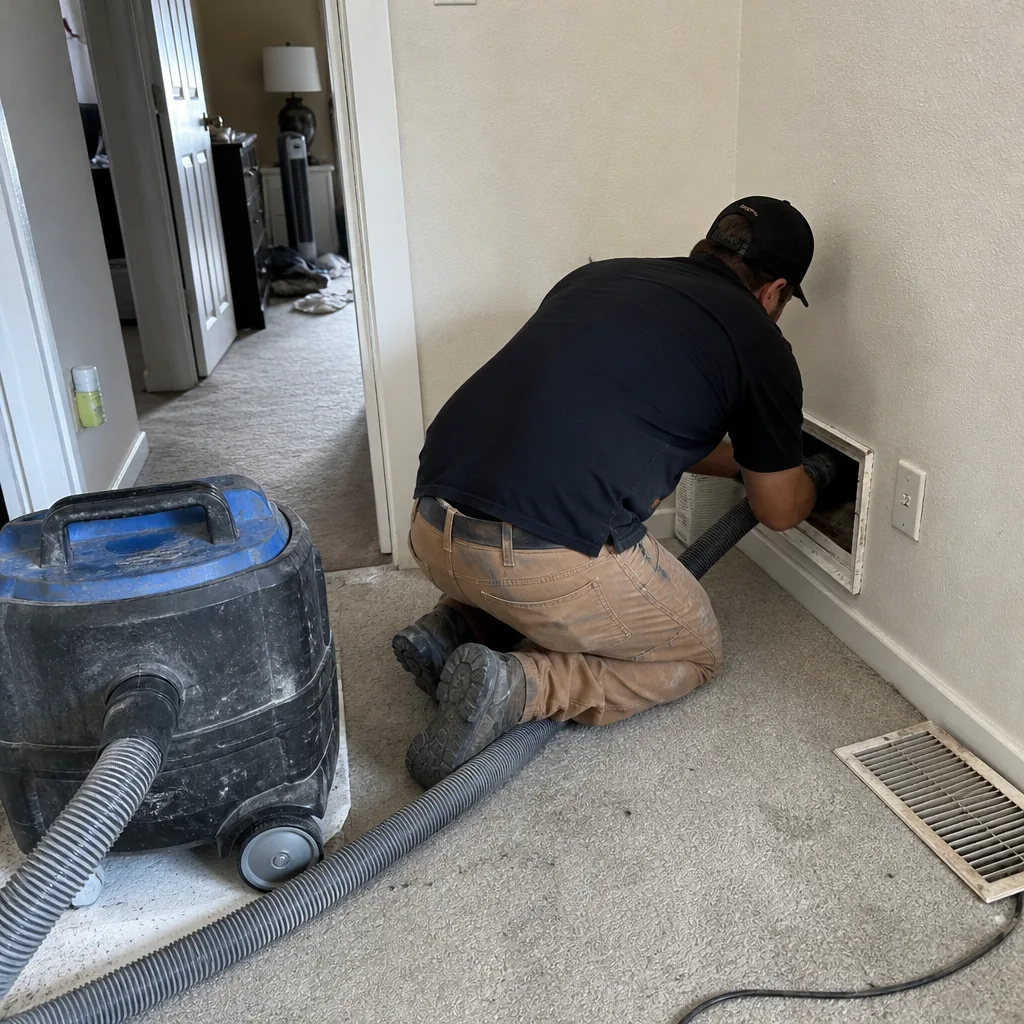 Before
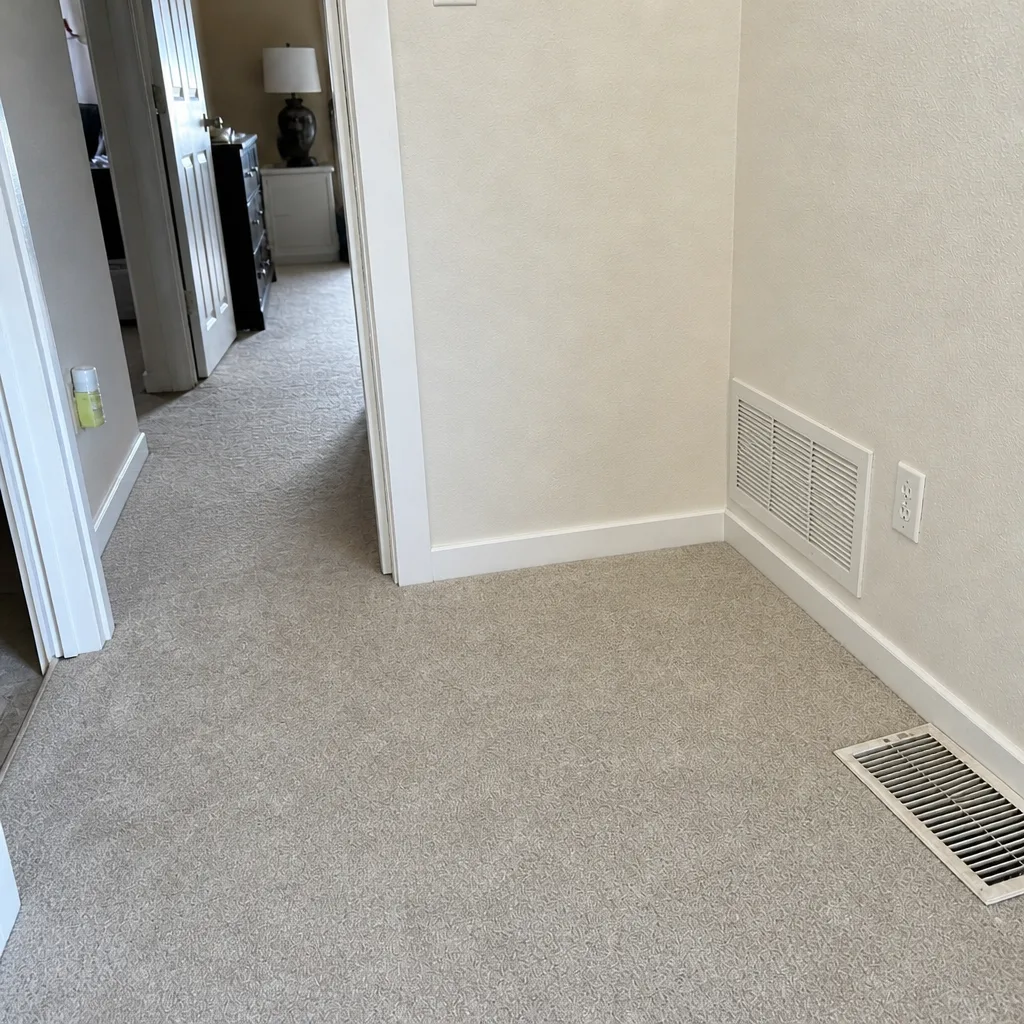 After
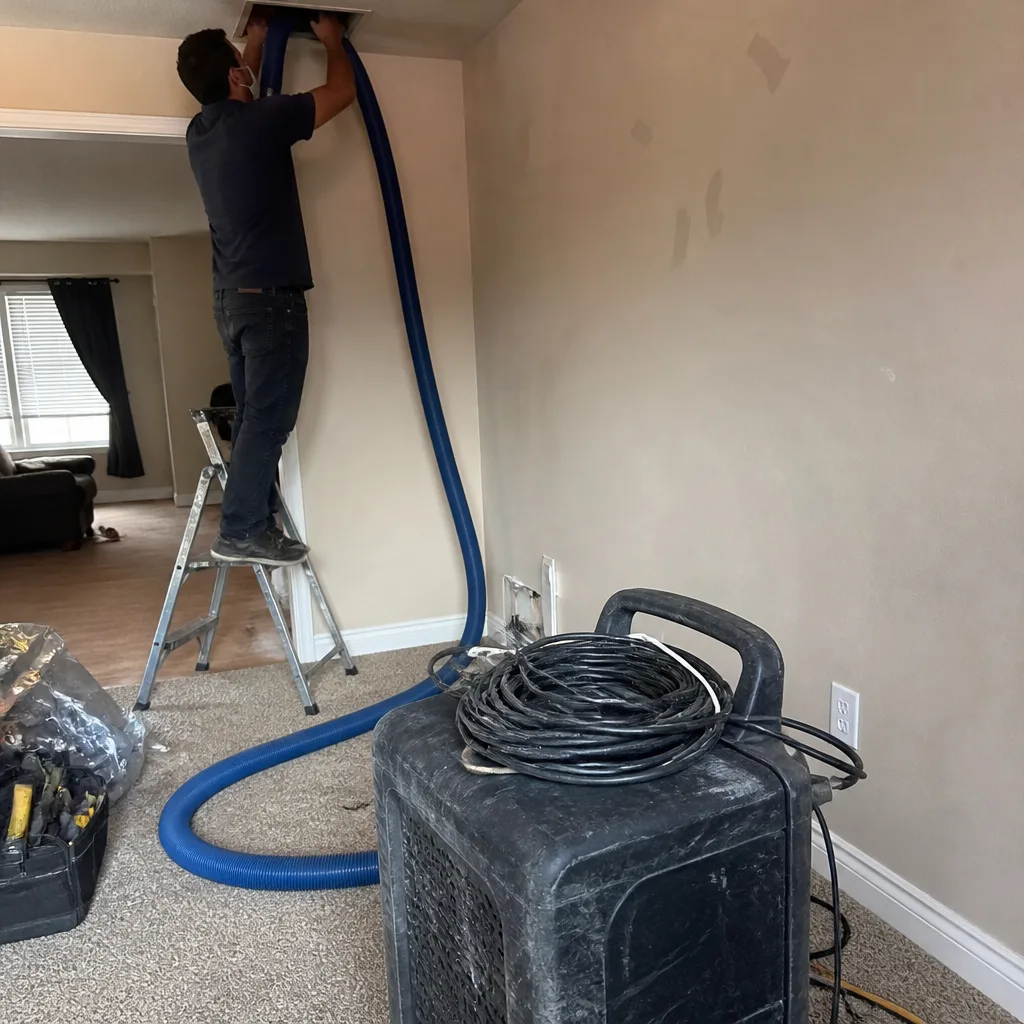 Before
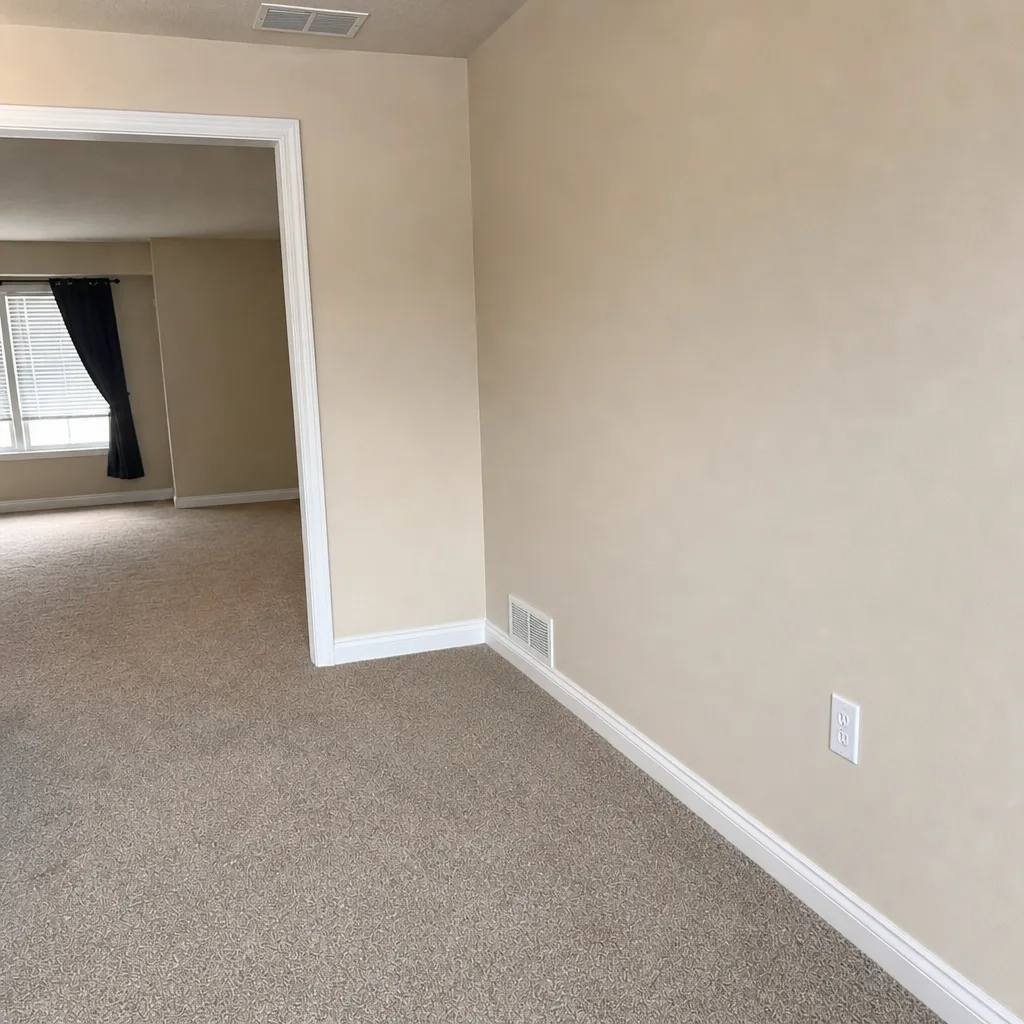 After
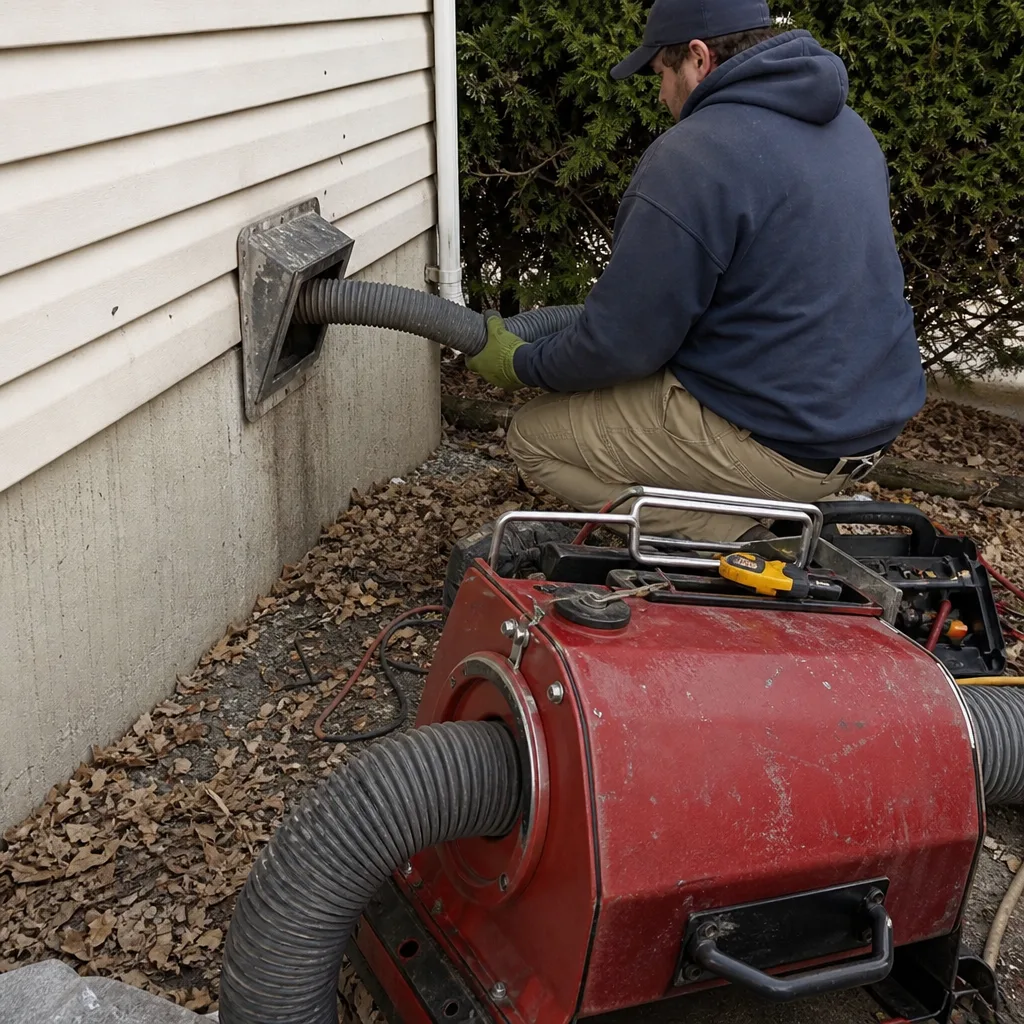 Before
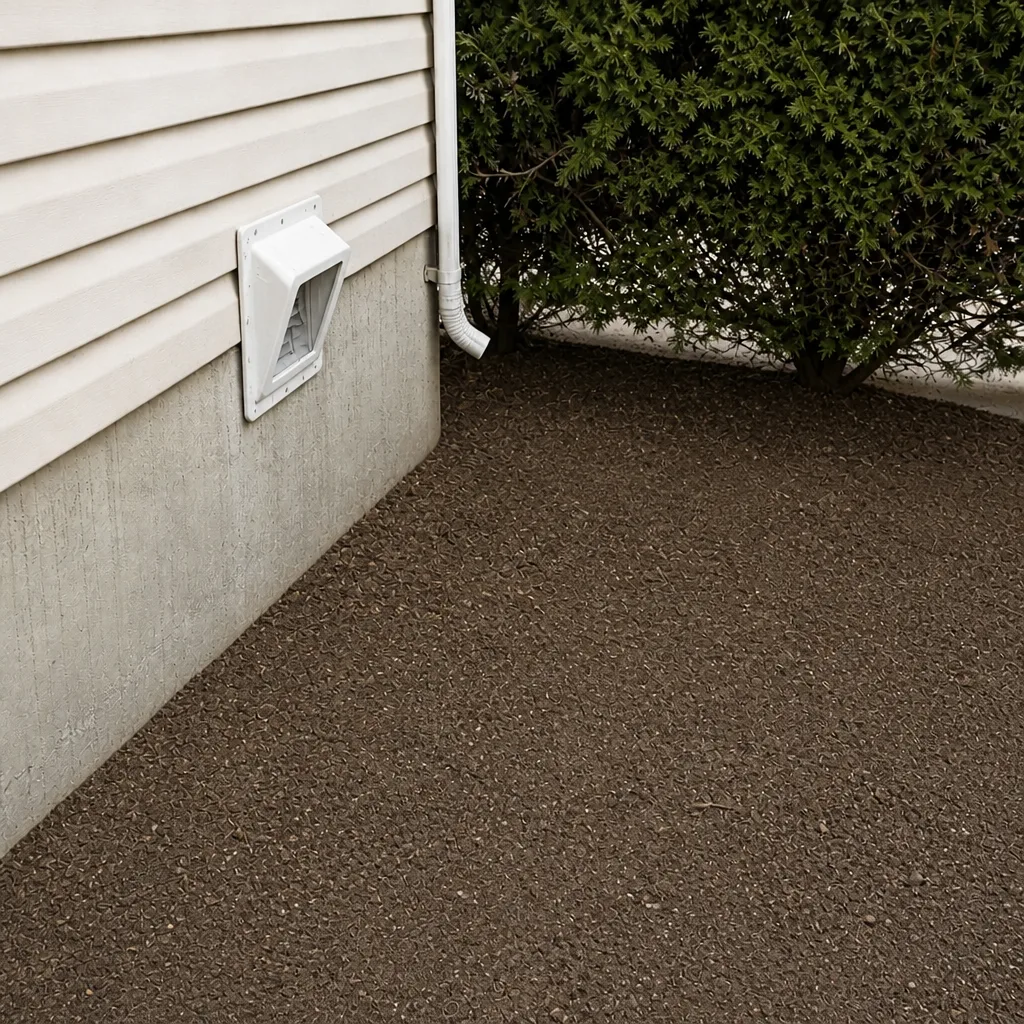 After
When to Call a Professional
Call a professional when the scope of work is unclear, when you’ve been told the ducts need repair, or when the system has visible contamination that could be mold. Call when you’re preparing to sell or buy a home and need to know whether previous duct work was permitted and documented. Call when you have an integrated Honeywell or Aprilaire air quality system and want it cleaned without damage. Call when the ductwork has been damaged during renovations or when a dryer vent has gone more than a year without attention. Duct Cleaning Provo offers free estimates in Provo. Call (877) 798-7857. We answer 24/7. Fast dispatch from 7am to 7pm, Sunday through Friday. Our technicians have up to experience, use Rotobrush contact-cleaning and Nikro professional equipment, and offer dryer vent cleaning and repair as part of a single-provider scope.
Frequently Asked Questions
No. Routine air duct cleaning of an intact duct system does not require a building permit in Provo. Permits become relevant when the work includes mechanical repair or modification, such as reconnecting a separated trunk line or replacing duct board. If your job might cross that line, call Provo City’s building department to confirm the classification for the specific work described. Call (877) 798-7857 for a free estimate on the cleaning scope.
Unpermitted mechanical work can complicate a home sale inspection years later, and it may not meet Utah’s disclosure obligations if it isn’t documented. The fix is to require a written scope that separates cleaned from repaired, with photos and any permit number referenced. If the repair has already happened without documentation, ask the contractor for their records now, before a sale forces the issue. Call (877) 798-7857 for a written scope on your next job.
It depends on extent and cause. Small surface discoloration may be handled during standard cleaning, but active growth across multiple runs, associated with an unfixed moisture source, generally belongs to a licensed mold remediation contractor. Cleaning without fixing the moisture means the mold returns. An indoor air quality assessment before any work is the safer path when the growth is visible or the home has allergy-sensitive occupants. Call (877) 798-7857 to discuss the assessment.
For mechanical repair, yes. Cleaning and mechanical repair have different licensing requirements under Utah law. Verify the contractor’s mechanical license through the state’s Division of Professional Licensing, independent of what they tell you. A cleaning provider who isn’t licensed for mechanical work shouldn’t be performing the repair portion. Duct Cleaning Provo offers repair as a standalone scope with proper documentation. Call (877) 798-7857 for details.
Improper cleaning can damage whole-home air quality components if the technician isn’t trained on them. Honeywell and Aprilaire systems have specific service requirements involving filter cartridges, airflow, and control sequence. Cleaning around them without that training causes quiet failures that surface weeks later. Ask any provider how they’ll protect your IAQ components before booking. Call (877) 798-7857 to confirm handling for your system.
Keep a written scope that separates cleaned from repaired, before-and-after photos of the duct interior and any repair areas, a materials list, and any permit number with the final inspection sign-off. Utah’s seller disclosure rules put the burden on you to disclose known repairs, and vague documentation doesn’t meet that burden. If you’re the buyer, ask the seller for the same records before closing. Call (877) 798-7857 for a documented scope on your next job.
The Bottom Line
Cleaning ductwork in Provo doesn’t require a permit. Repairing it usually does, because Ut ah’s mechanical code treats duct repairs as part of the HVAC system. Most of the confusion comes from providers who don’t separate the two scopes in writing, which leaves homeowners with unpermitted work and no paper trail when a home sale inspection surfaces it. Ask for documentation that names what was cleaned and what was repaired, verify licensing for any mechanical work, ask about moisture and mold before cleaning, and be specific about any Honeywell or Aprilaire components in the system. If you want a documented scope with a flat price per system agreed before work starts, call (877) 798-7857 for a free estimate. We answer 24/7. Fast dispatch from 7am to 7pm, Sunday through Friday.
Written by the team at Duct Cleaning Provo.