
Last updated November 16, 2026
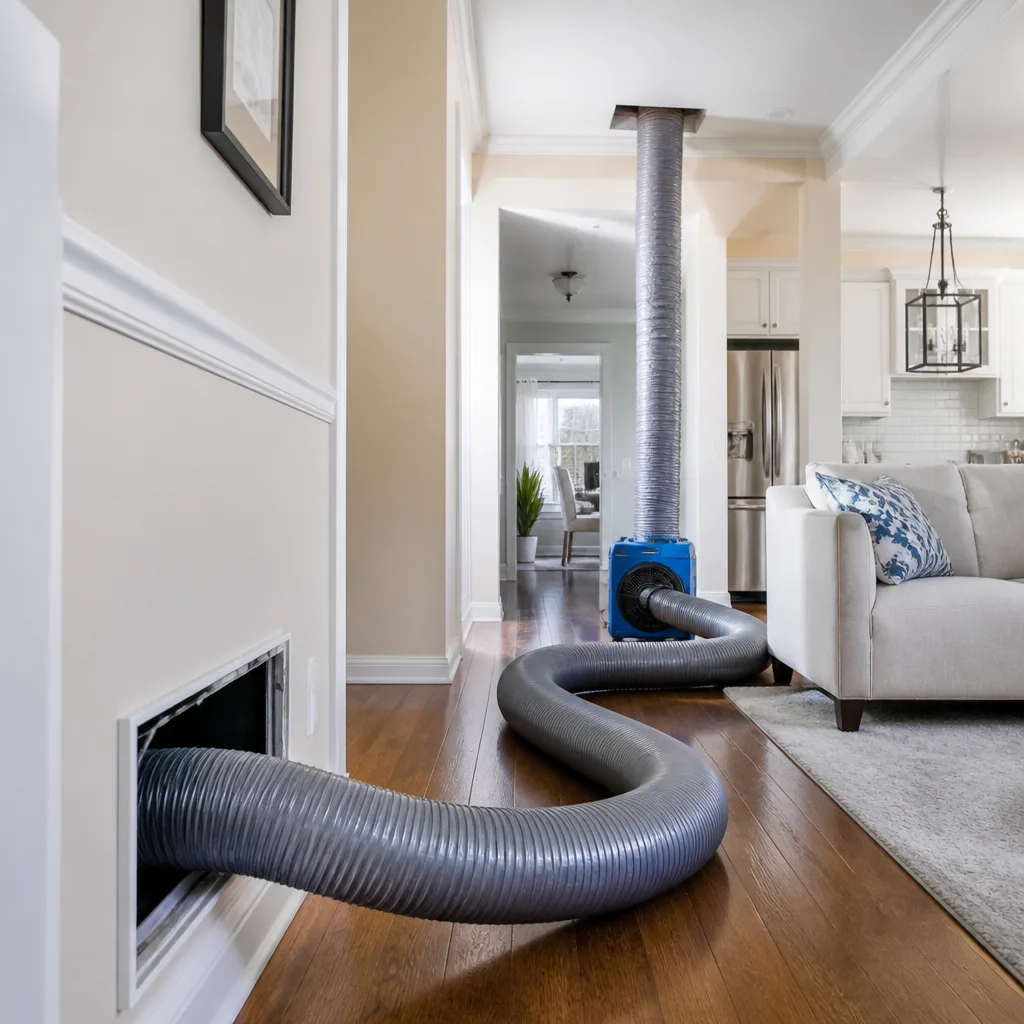 Whole-home duct cleaning
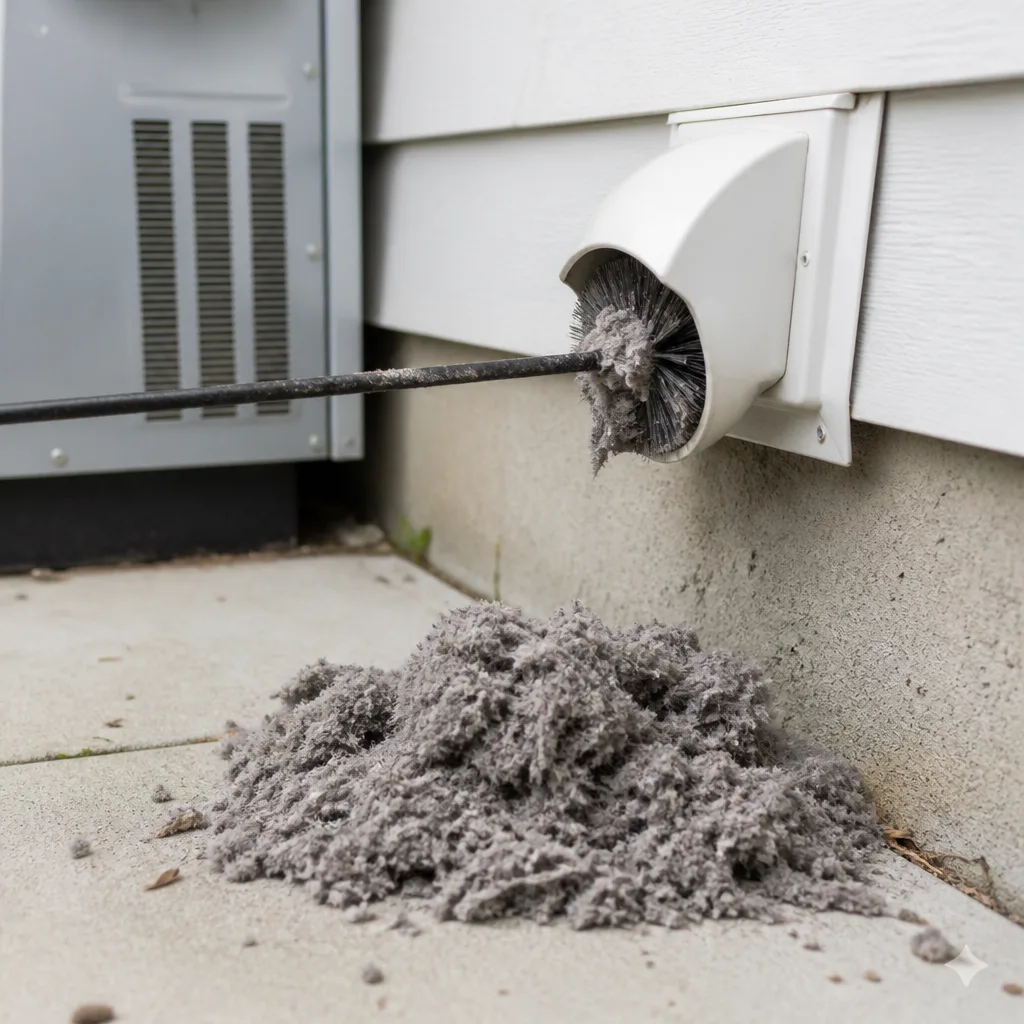 Dryer vent cleaning
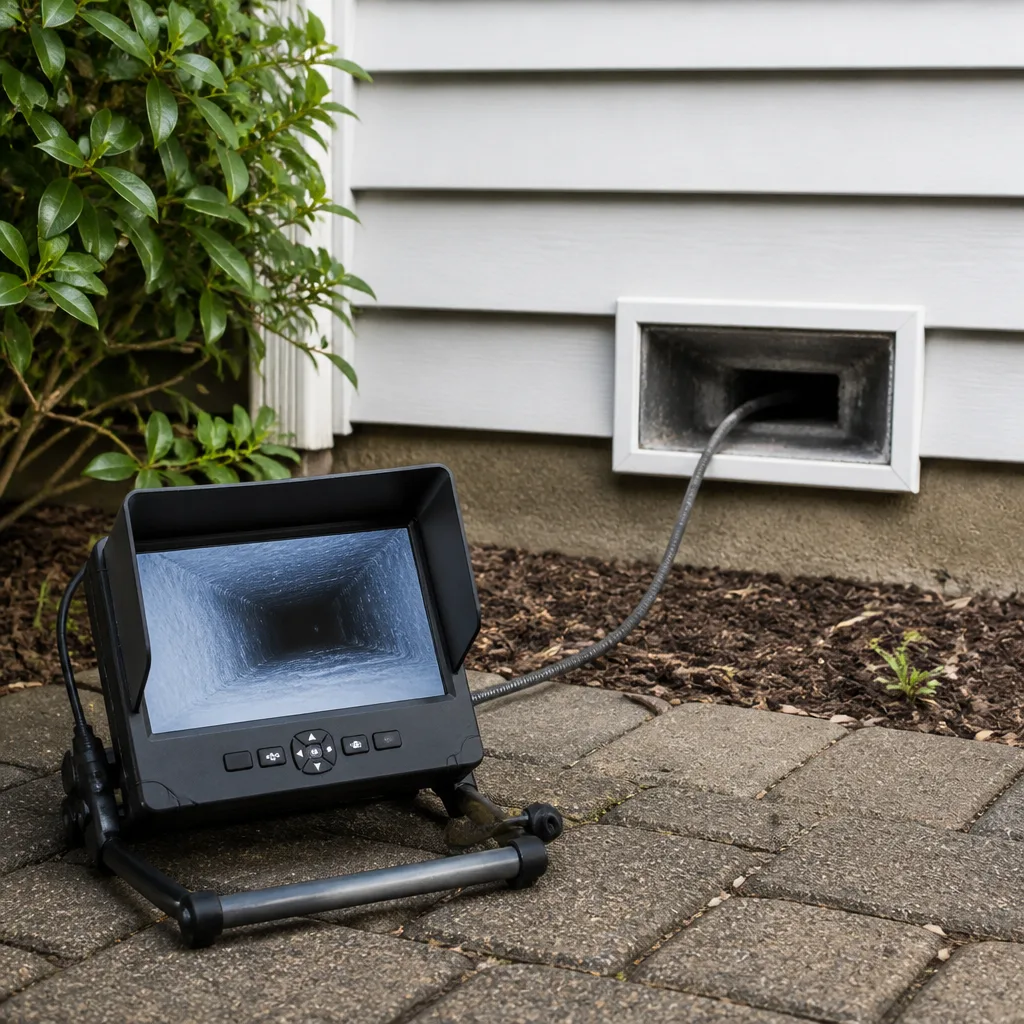 Camera inspection
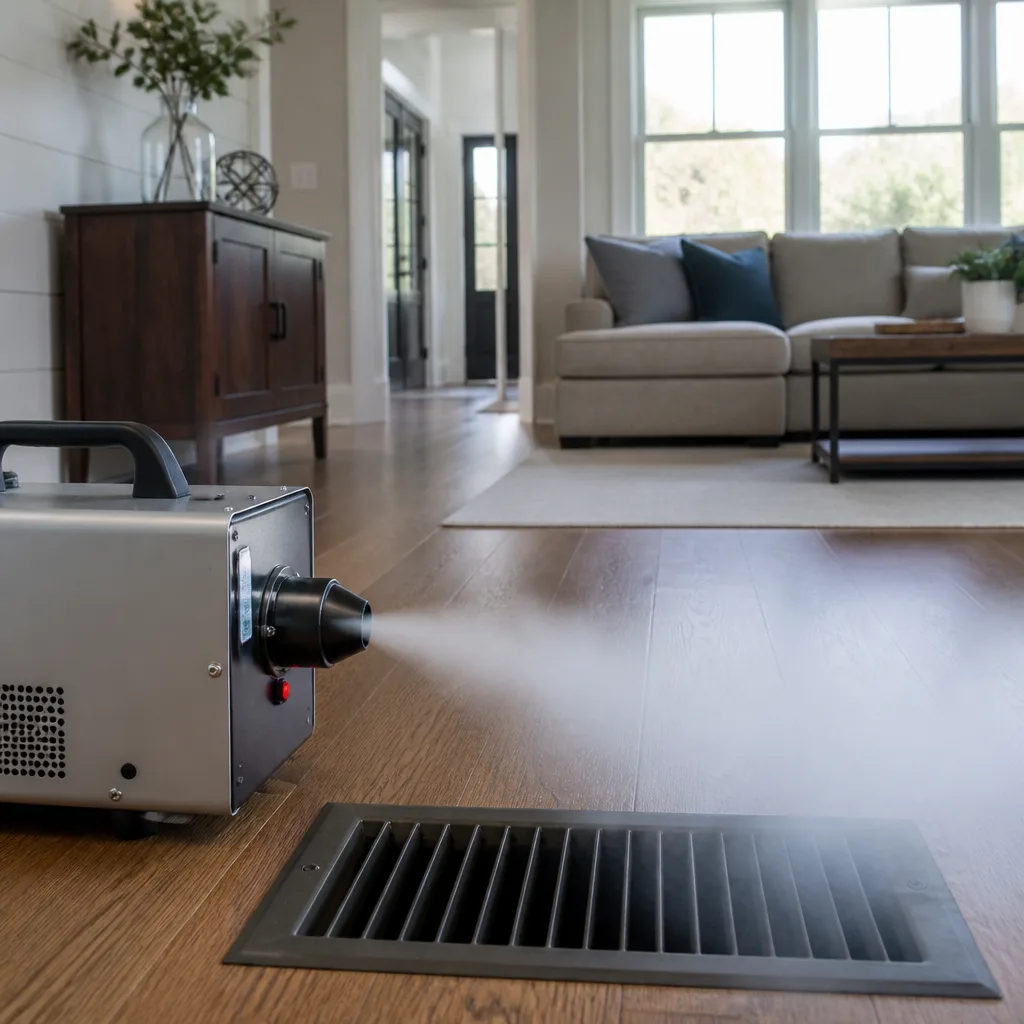 Sanitizing & deodorizing
Whole-system duct and dryer vent check with before-and-after photos - you see exactly what came out of your vents
That "$99 whole-house special" is a bait ad - the real number appears once they are in your hallway, or the "clean" is a shop-vac at the register. We photograph the inside of your ducts before and after instead.
Choosing the Right Air Duct Cleaning Brand: A Buyer’s Guide for Provo
When a duct cleaning company says they use “professional equipment,” that phrase covers everything from a $400 portable shop-vac to a $30,000 truck-mounted extraction unit with HEPA filtration, and both operators will show up in the same Google search results. That gap is the single biggest reason two quotes for the same Provo home can differ by hundreds of dollars. The word “professional” is doing almost no work in this industry. The equipment manufacturer names, on the other hand, do real work. This guide explains what those names are, why they matter in Provo’s high-desert climate, and how to verify a claim before you book.
Quick Answer
The right air duct cleaning brand in Provo is the one that can tell you which vacuum collection unit it uses, explain how its system maintains negative pressure throughout the job, and answer questions about your specific ducts without hesitation. Credibility shows up in equipment specifics, not marketing claims. Ask for the make and model of the collection unit, ask whether the operation uses HEPA exhaust, and check whether the company actually holds the certifications it references.
Styles & brands we work with
- Whole-home duct cleaning
- Dryer vent cleaning
- Camera inspection
- Sanitizing & deodorizing
Table of Contents
- The Equipment Names That Actually Mean Something
- Why Truck-Mounted Systems Beat Portable Units
- How to Verify Equipment Claims Before You Book
- The Business Model Behind Equipment Investment
- What NADCA-Certified Process Really Means
- What Provo Homes Face That Other Markets Don’t
- What a Thorough Job Includes
- Questions to Ask Before You Hire
The Equipment Names That Actually Mean Something
Professional-grade duct cleaning uses specific manufacturer brands, and those brands are worth knowing. Here’s what experienced operators tend to work with and what each piece of equipment does.
- Nikro makes industrial HEPA vacuums and collection systems used by remediation contractors. Their units are built for continuous operation with true HEPA filtration, not just a filter that looks like a HEPA filter.
- Abatement Technologies is the standard in negative-air containment equipment. Their tools pull air through HEPA filters while keeping the work area under negative pressure, which means debris goes into the machine instead of into your living room.
- Rotobrush produces contact-cleaning systems that physically agitate duct walls while extracting debris. This matters because surface vacuuming alone doesn’t remove the dust that has settled into the interior surface of the ductwork.
- RamAir and Legend Brands make truck-mounted and high-capacity extraction units with enough airflow to move debris through the entire duct run rather than just the section near the register.
- On the air quality side, Honeywell and Aprilaire are the brands behind most whole-home filtration, humidification and media cabinet systems installed in residential HVAC. A technician who understands these integrated systems can clean around them without damaging sensors or bypass assemblies.
Here in Provo, homes on the east bench deal with spring pollen and summer dust from the mountains. Homes near the lake plain deal with a different mix of fine particulate, and many homes run a central air system most of the year. When you understand the equipment, you also understand which of these problems a given operator can actually solve. A portable shop-vac cannot create enough negative pressure to extract decades of accumulated dust from an entire supply trunk. A truck-mounted unit can.
The practical takeaway is simple: ask any company what equipment they use, and see whether the answer contains brand names or just the word “professional.” If it’s the latter, ask again.
Why Truck-Mounted Systems Beat Portable Units
Truck-mounted extraction systems maintain continuous negative pressure and use true HEPA exhaust, which portable units cannot match. That difference determines whether the job actually cleans your ducts or simply redistributes dust into the room. Three things separate the two setups.
- Continuous negative pressure. A truck-mounted unit pulls from a large vacuum source outside the home and maintains that pressure through the entire job. Portable units lose pressure as filters load up with dust, which means extraction quality drops as the work progresses precisely when it matters most.
- True HEPA exhaust. Air pulled from your ducts passes through the truck’s filtration stages and exhausts outside. Portable units recycle filtered air back into the room. If the filters aren’t rated for fine particulate, some of what came out of the ducts ends up airborne in the room where your family is.
- Extraction capacity. Truck-mounted systems move far more air volume per minute, which is what pulls debris off the duct walls and carries it to the collection unit. Portable units rely on pressure over time, which is slower and less thorough on a whole-home system.
There’s a fourth factor a lot of buyers don’t think about. Truck-mounted systems can clean the trunk lines and returns as aggressively as the branches. Portable operators often spend most of their time on the register-level runs because that’s where their equipment performs best. In a Provo home with an older forced-air system, the dust in the main trunk is usually the more meaningful problem, not the dust in the branch nearest the wall.
None of this means portable equipment has no place. Some jobs are small enough that a well-set-up portable unit does solid work. But when the job involves a full-home system, you want the equipment that can handle the volume. Call (877) 798-7857 if you want to know what we bring to a Provo job. We answer 24/7, and fast dispatch runs from 7am to 7pm.
How to Verify Equipment Claims Before You Book
You can verify an equipment claim in a single phone call. Legitimate contractors answer equipment questions without hesitation because their equipment is a source of pride, not a vulnerability. Here’s how to do it.
- Ask for the make and model of the vacuum collection unit. Not “professional equipment.” A brand name and model number. If the person on the phone doesn’t know, ask them to find out and call you back.
- Ask whether the exhaust is HEPA-filtered. A good answer describes multiple filtration stages and confirms the exhaust is routed outside the home.
- Ask how negative pressure is maintained. The answer should mention containment of the work area and how the machine keeps dust from escaping.
- Look up the equipment. Manufacturer websites list specifications, capacities and filtration ratings. Five minutes of research tells you whether the unit is built for residential duct cleaning or is a shop vacuum with a hose attachment.
- Ask about the agitation method. Contact cleaning with Rotobrush or an equivalent system indicates the operator intends to physically loosen debris, not just vacuum the surface.
- Ask about air quality components. If your home has a Honeywell or Aprilaire media cabinet, humidifier or filtration system, ask how they’ll handle it. A technician familiar with these systems will describe the process without thinking about it.
Here’s the useful thing about this list: almost no low-priced operator can pass it. The questions are structured around verifiable facts, and operators using discount equipment know their answers won’t hold up. That’s a feature, not a bug. When a Provo homeowner asks us these questions, we’re glad to answer them. For more detail on the work itself, see air duct cleaning.
One more verification step worth mentioning: before-and-after photos. Any company using the equipment we just described can photograph the inside of a duct before and after the work. Ask to see photos of your own system, not a stock image or a shot from another job. A company confident in the work will photograph freely.
The Business Model Behind Equipment Investment
Companies that own professional-grade equipment have higher overhead and cannot profitably operate on coupon pricing. This is the clearest way to spot a structural mismatch between the price a company advertises and the equipment they bring to your home. The math doesn’t work.
Truck-mounted extraction systems, HEPA containment equipment and contact-cleaning tools are significant capital investments. Add the cost of maintaining them, the training required to operate them correctly, and the labor cost of a thorough whole-home job that takes hours to complete properly. All of that has to be paid for by the revenue from real jobs. A company running a $99 coupon special has an equipment and labor budget that reflects a much smaller operation.
This isn’t an argument against low prices across the board. It’s an argument for understanding what a low price is buying. The economics of duct cleaning mean that a low advertised price often gets converted into a larger invoice once the technician is on site, or the work gets compressed into a shorter visit with portable equipment doing a partial job. Neither outcome is what the homeowner wanted.
The alternative structure is one flat price per system, agreed before work starts. No per-vent pricing, no upcharges once the equipment is in the driveway. A company with the right equipment can quote a whole-system price honestly because they know what the job requires. If you want to see what that looks like for your home, call (877) 798-7857. The estimate is free, and the written estimate sets the final price.
Duct cleaning is one of three services we work with under one provider, alongside dryer vent cleaning and air duct repair. The same equipment and the same standard apply to all three, which is useful when your ventilation system needs more than one issue addressed.
What NADCA-Certified Process Really Means
A “NADCA-certified process” is a brand-agnostic signal of technical credibility, but the phrase gets used as marketing language by companies that aren’t actually members. NADCA stands for the National Air Duct Cleaners Association, and the organization publishes standards for how duct cleaning should be performed: source removal rather than surface cleaning, containment, verification, and post-cleaning assessment.
The reason this matters is that the NADCA standard describes an outcome, not equipment. A company can be equipment-heavy and still skip steps. A company can be equipment-light and still follow the standard’s process. Both matter, but the standard is what separates an operation that cleans your ducts from one that waves a vacuum hose near a register and calls it done.
Membership in NADCA involves an application and review process. Using the phrase in marketing material does not. If a company’s website says “NADCA-certified process,” it’s worth asking directly whether they are a member. Legitimate contractors answer that question as readily as they answer equipment questions.
What the standard covers, in broad terms:
- Source removal of contaminants rather than just dislodging them
- Containment to prevent cross-contamination during the work
- Access point placement to reach the entire system, not just the accessible runs
- Cleaning of the HVAC components that come into contact with the airstream
- A post-cleaning visual inspection, often documented with photographs
Homeowners in Provo who are comparing quotes can use these points as a checklist. Ask each company how they handle each item. Companies that operate at this standard will describe it as routine. Companies that operate below it will hedge or change the subject.
What Provo Homes Face That Other Markets Don’t
Provo’s climate and housing stock create a specific set of duct-related concerns that affect what “good clean” actually means here. Understanding these helps you evaluate whether a company understands what they’re cleaning, not just how to clean it.
Dry, dusty air through the heating season. Provo’s high desert climate means low humidity and significant airborne particulate through much of the year. Forced-air systems pull interior air through the return, filter it, and distribute it back out. When ducts have accumulated dust, that dust re-enters the air with every heating cycle. Homes in Provo with older systems often have trunk lines that have absorbed more than a decade of this cycle before cleaning.
Seasonal pollen and inversion air. Provo’s position along the Wasatch Front means spring pollen from the foothills and, in some months, valley inversion air. Homes with allergy sufferers notice this. A thorough cleaning of the full system, including the return and trunk lines, removes the accumulated material that the filter can’t catch on its own. Integrated air quality components like Aprilaire media cabinets work in concert with a clean system; a clogged return undermines them.
Relatively newer homes and retrofits. Provo has a mix of older homes and newer builds, and duct materials differ. Rigid sheet metal, flex duct, and sections of both in the same home are common in Provo. Each material has specific cleaning requirements. Flexible duct, for example, has a different interior surface than rigid ductwork and needs the right contact cleaning method. Some homes have had duct systems modified during renovation, which can leave disconnections and gaps that let unfiltered air into the supply.
That last point is where air duct repair becomes essential rather than optional. If a duct system has leaks, disconnections or crushed sections, cleaning the ducts is incomplete work. The debris will just reaccumulate at the breach. Duct Cleaning Provo offers air duct repair as a standalone service that addresses the structural issues cleaning can’t fix, which is why we treat the three services as a set. If you’re in a Provo home with an older system or a recent renovation, ask about the structural integrity of the ducts alongside the cleaning.
What a Thorough Job Includes
A thorough duct cleaning job includes more than vacuuming the visible runs. Here’s what a professional-grade operation should do on a whole-home system.
- Pre-assessment. A look at the system layout, the type of ducts, access points, and any obvious signs of damage, mold or pest intrusion. Photographs taken before work begins.
- Containment. The work area under negative pressure with HEPA filtration, so that dislodged dust doesn’t migrate into the living space. Abatement Technologies equipment is standard for this.
- Contact cleaning. Mechanical agitation of duct walls with a rotating brush or equivalent tool, working from the register back toward the collection point. Rotobrush systems are built for this.
- Extraction. Truck-mounted or high-capacity extraction pulling the loosened debris to a HEPA collection unit. Continuous negative pressure through the entire process.
- HVAC component cleaning. The blower compartment, heat exchanger face, evaporator coil area and drain pan as accessible. Dust collects here too.
- Air quality component check. Verification that Aprilaire or Honeywell components are clean, functional and re-seated properly.
- Post-cleaning inspection. Photographs taken from the same points as the pre-assessment, so you can see what changed.
- Dryer vent check. If the dryer vent is part of the home’s ventilation system, a check of that run makes sense during the same visit. Lint accumulation is a documented fire risk.
This is the level of work that separates a real clean from a partial one. A Provo homeowner who knows the sequence has a concrete way to evaluate a quote: ask which of these eight steps are included.
Questions to Ask Before You Hire
The questions below are the highest-yield ones you can ask any duct cleaning company. Each one is designed to distinguish an operation that does the work from one that sells it. Print the list or save it; the answers tell you most of what you need to know.
- What make and model of vacuum collection unit do you use on a whole-home system?
- Is the exhaust HEPA-filtered, and where does it vent?
- How do you maintain negative pressure in the work area during cleaning?
- What method do you use to agitate the duct walls, and is it appropriate for my duct material?
- Do you clean the blower compartment and accessible HVAC components?
- Are you a NADCA member, and if so, which certification level applies to the technician doing the work?
- How many access points will you create, and how will they be sealed afterward?
- Will I get before-and-after photographs of my own system?
- Is the price per system or per vent? Is it the price I pay, or an opening number?
- What is your process if you discover disconnected or damaged ductwork during the job?
That last question matters in Provo specifically. Older homes and renovated systems often have duct damage that only shows up once the system is under vacuum. A company that can recommend repair has a complete answer. A company that can only clean will either skip the issue or refer it elsewhere, and you’re back to finding a second contractor.
Common Mistakes to Avoid
- Booking on price alone. A low advertised price often converts to a larger invoice once the technician arrives, or the job gets compressed. Understand what the price includes before you compare it.
- Accepting “professional equipment” as an answer. That phrase covers everything from a vacuum cleaner to a truck-mounted extraction unit. Ask for the brand name.
- Skipping the air duct repair conversation. If your Provo home has older or modified ductwork, cleaning without checking for leaks and disconnections leaves a problem in place. The debris comes back.
- Ignoring the dryer vent. Dryer vent cleaning is a fire-safety service, and lint accumulation in the vent is a documented risk. Many homeowners have never had it done.
- Forgetting the air quality components. Homes with Honeywell or Aprilaire systems need a technician who knows how to work around the media cabinets and sensors. Verify that before booking.
- Not asking for before-and-after photos. A company confident in its work documents it. If photos aren’t offered, ask.
- Assuming all cleaners follow the same standard. The difference between a surface job and a source-removal job is significant. Ask about containment and agitation.
See the difference
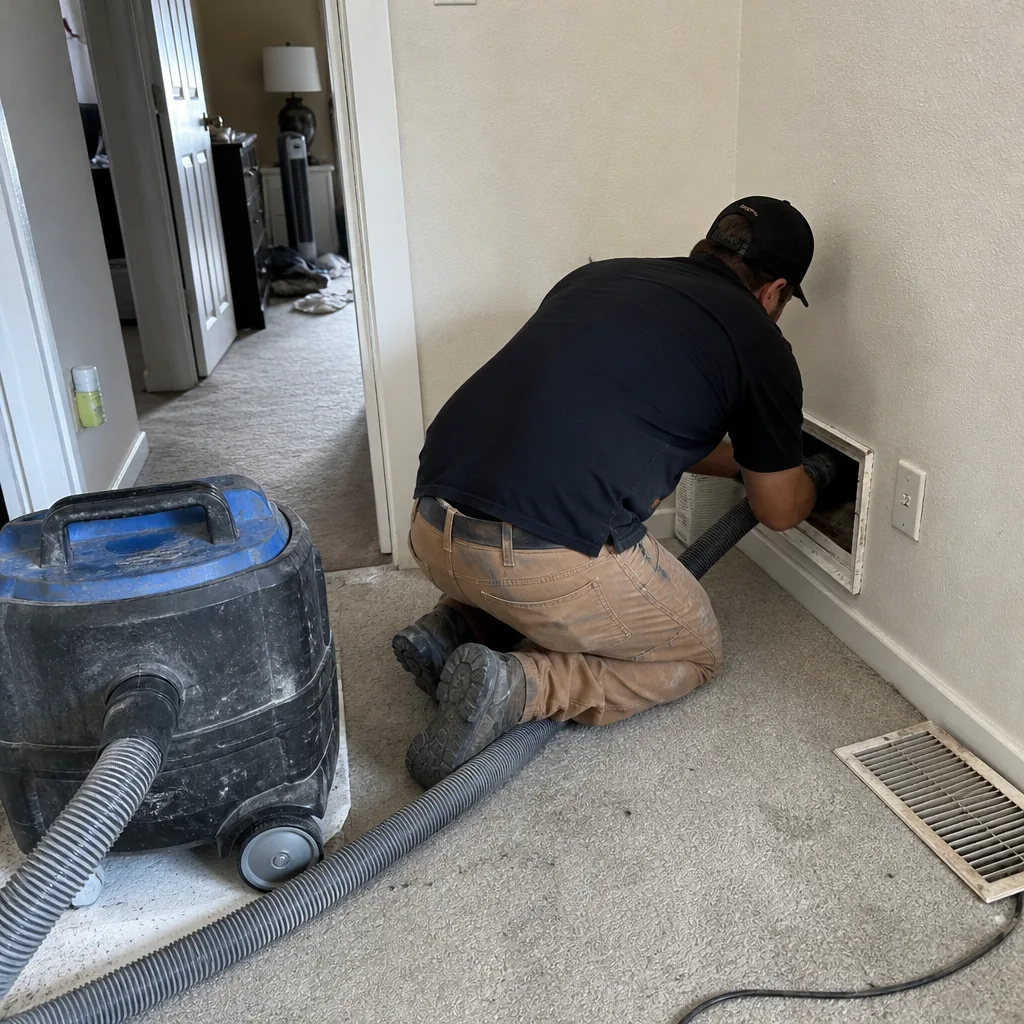 Before
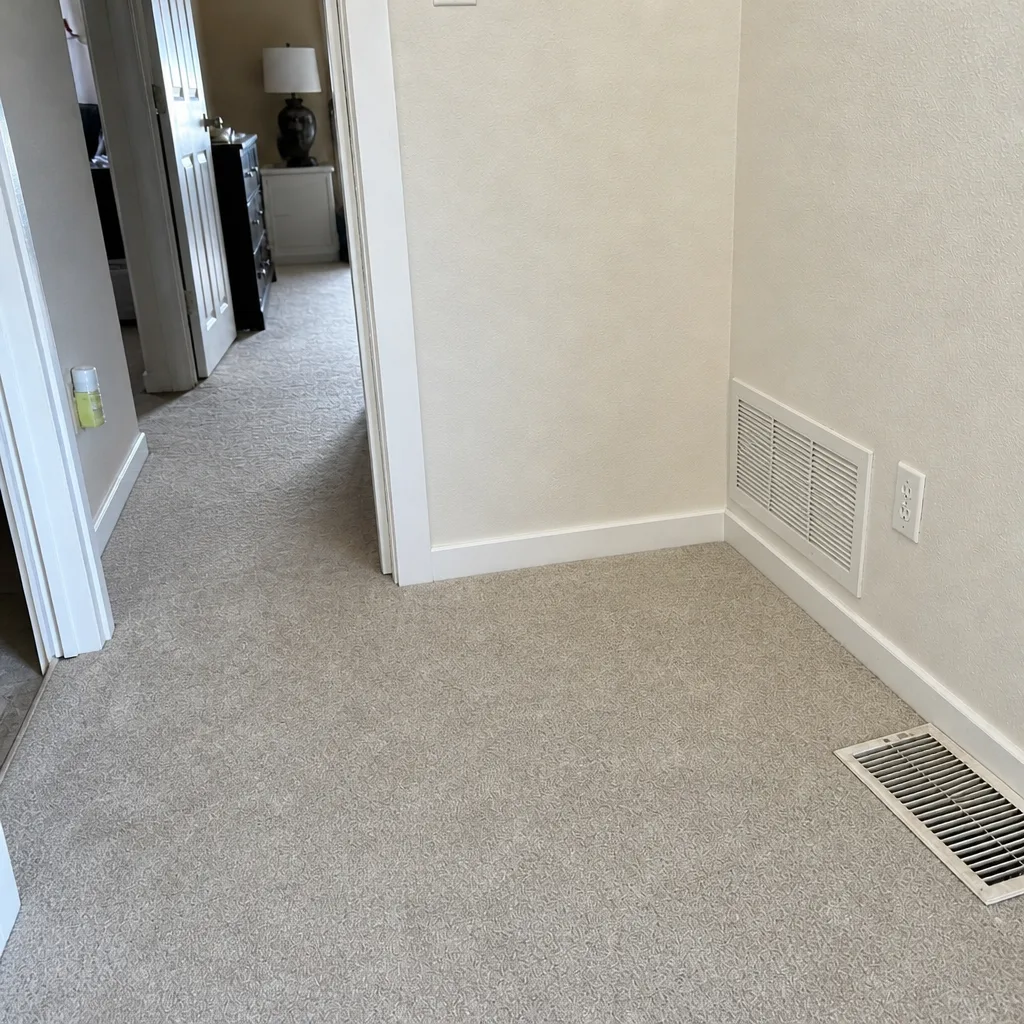 After
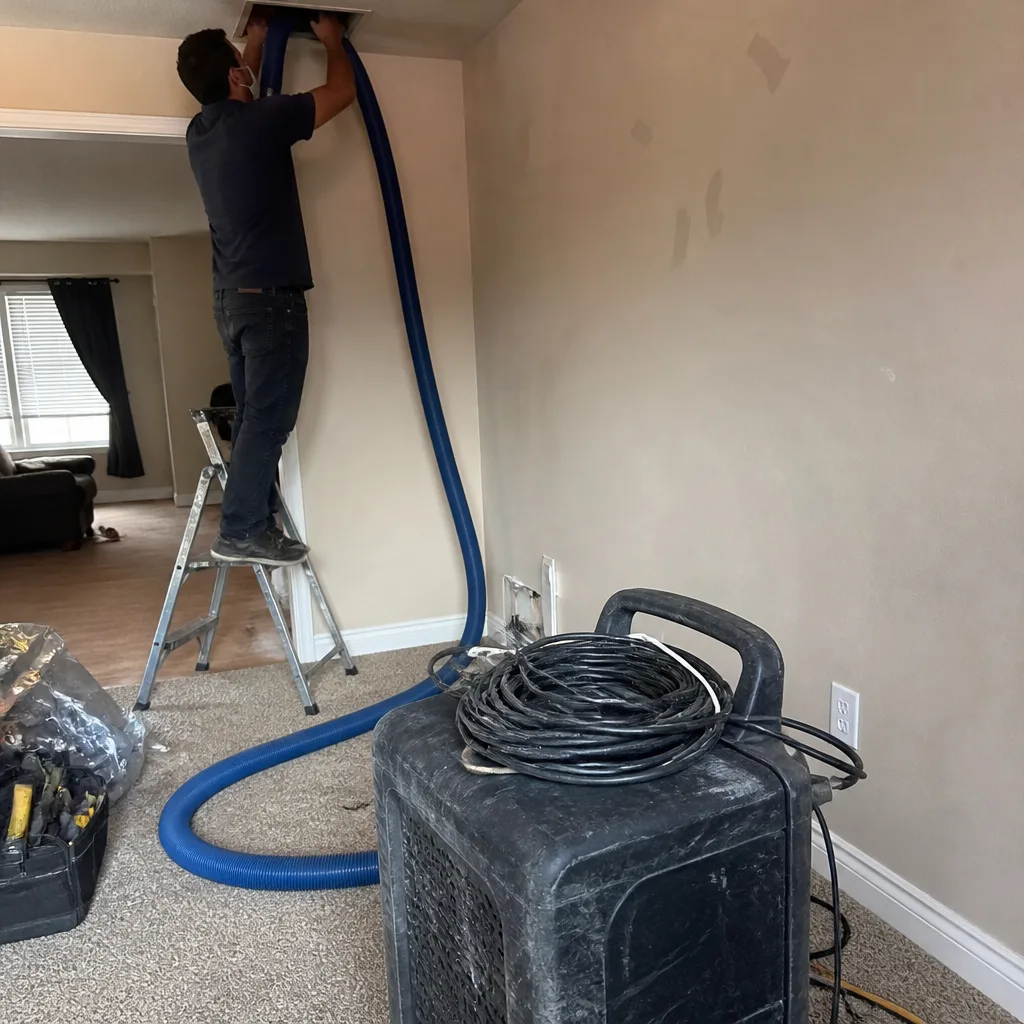 Before
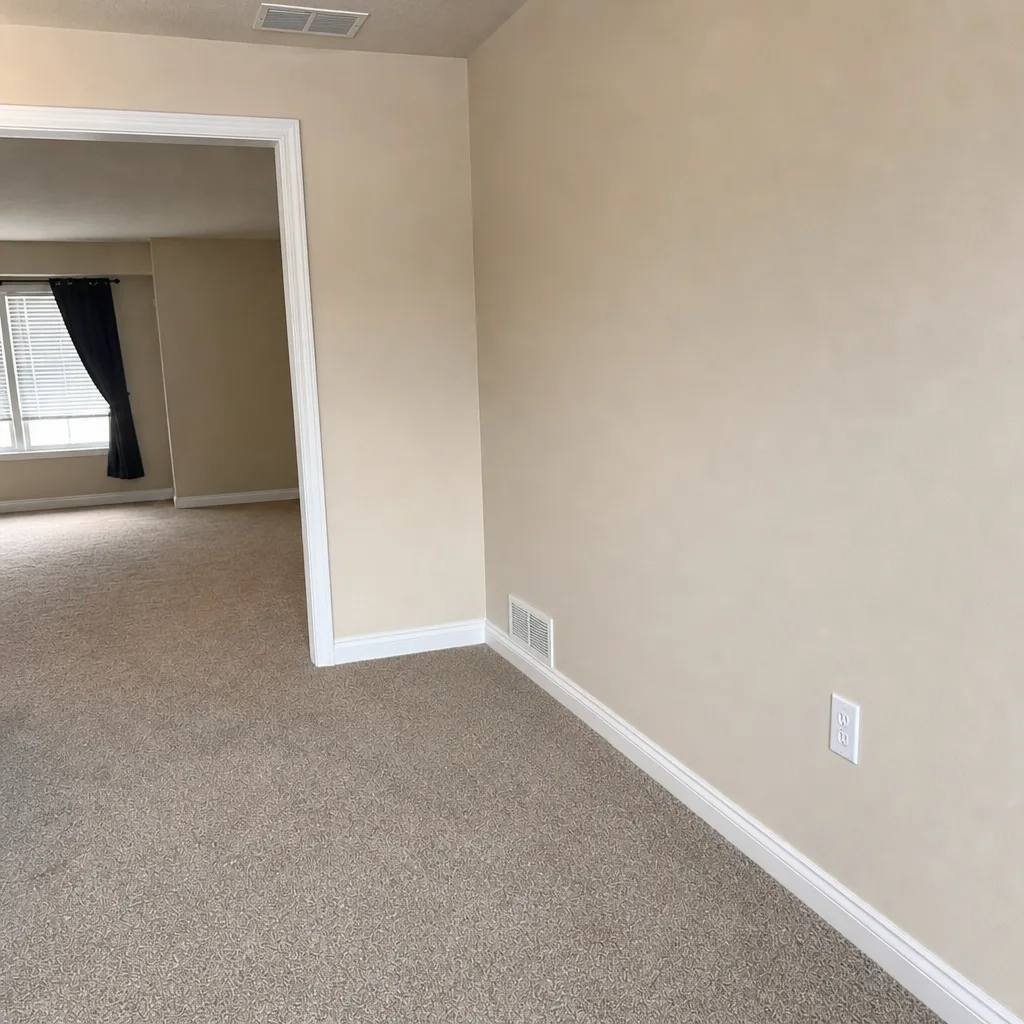 After
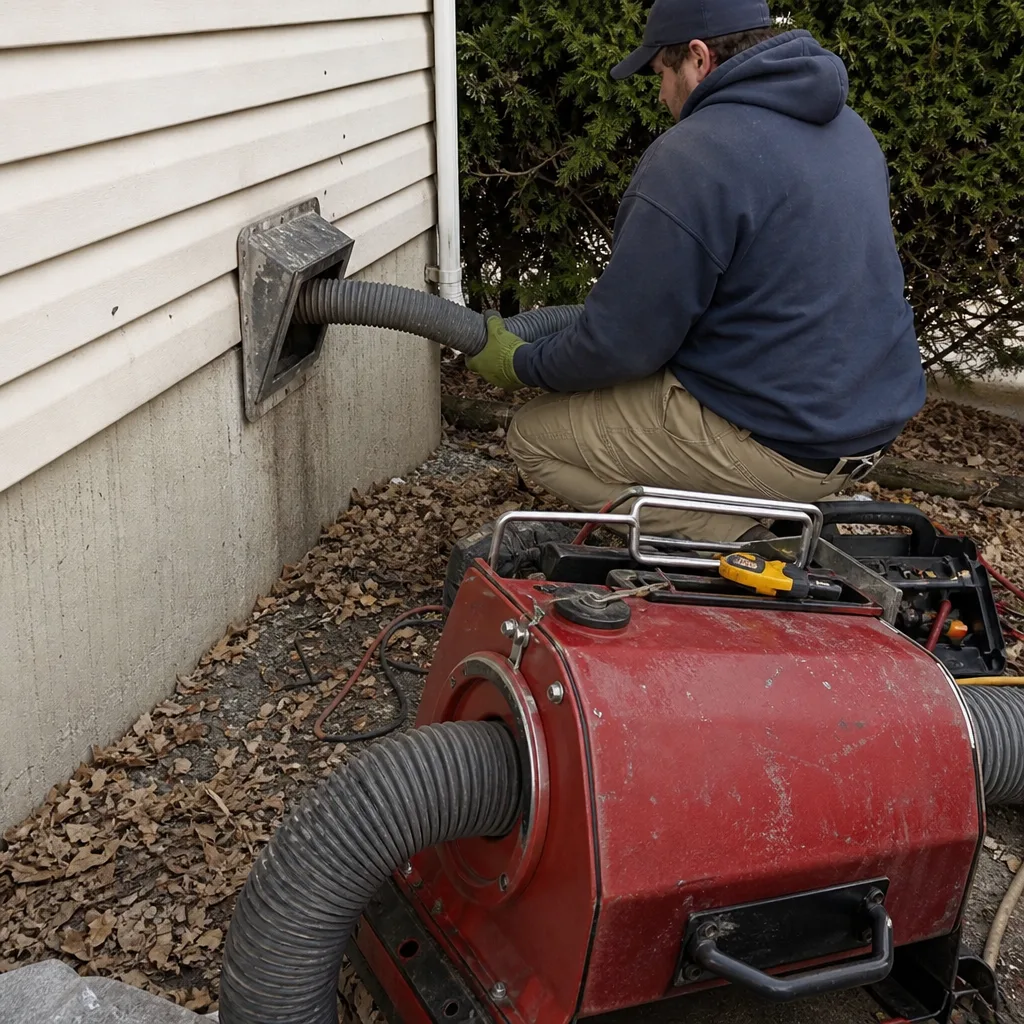 Before
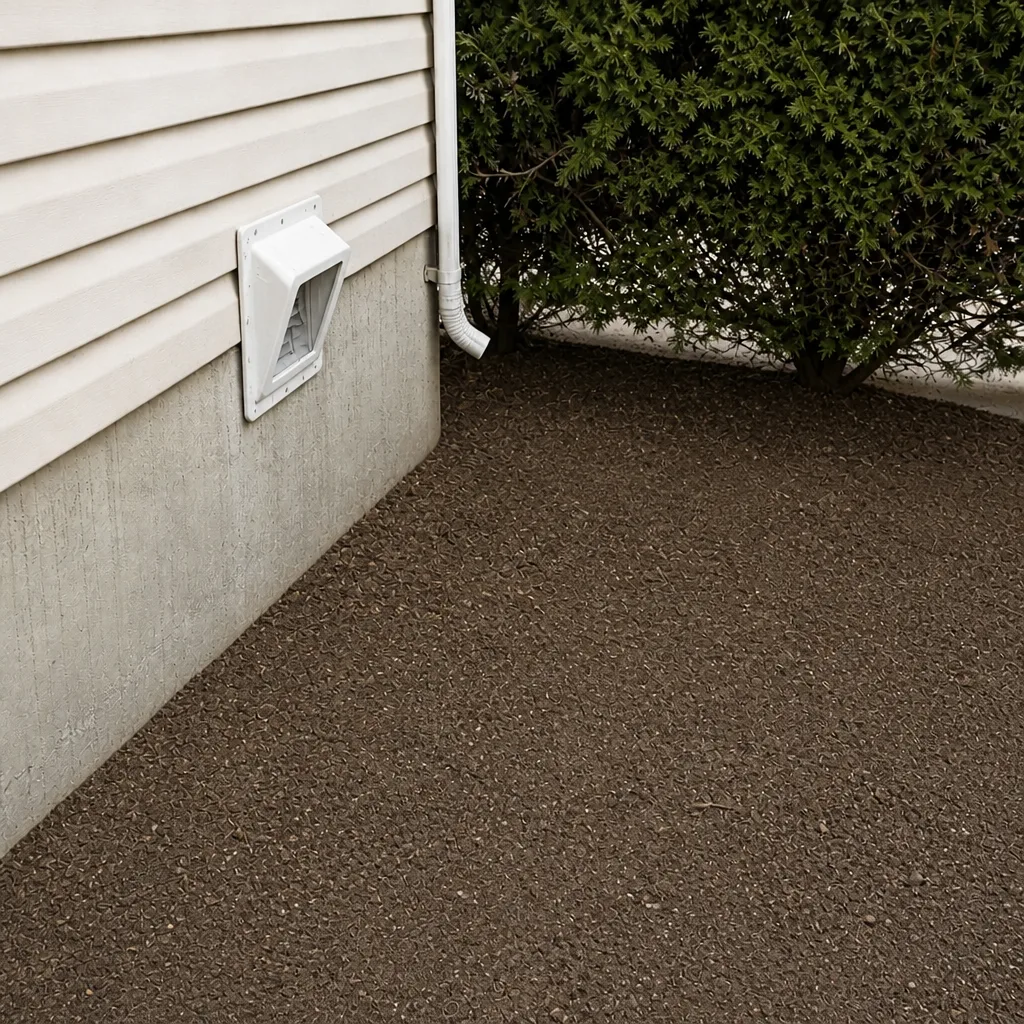 After
When to Call a Professional
Call a professional when the questions you’re asking produce answers you can’t verify, or when you have a specific concern about your duct system. Likely scenarios in a Provo home:
- Air quality concerns with allergy, asthma or age-related sensitivity in the household.
- A recent renovation that involved dust-producing work, especially if the HVAC ran during the job.
- A recently purchased Provo home where you have no record of duct cleaning.
- Visible dust or debris at the register, or a persistent dusty smell when the heat kicks on.
- A dryer that takes longer than usual to dry a load.
- You suspect a disconnected or damaged duct, or notice uneven heating and cooling between rooms.
Duct Cleaning Provo offers free estimates in Provo. Call (877) 798-7857. We answer 24/7. Fast dispatch from 7am to 7pm, Sunday through Friday. A call outside dispatch hours is booked into the next opening, Sunday through Friday, 7am to 7pm.
Frequently Asked Questions
Typical whole-home pricing in Provo depends on system size, duct condition and whether air quality components are included, so a written estimate based on your home is the only accurate number. Companies that quote a flat coupon price often convert it to a larger invoice once the technician is on site. We set one flat price per system agreed before work starts. Call (877) 798-7857 for an exact quote, and estimates are free.
Equipment and labor costs are the main driver. A company running portable shop-vac equipment has much lower overhead than one running truck-mounted extraction with HEPA containment, and the two produce different work. The cheaper quote may also be an opening number rather than a final price. If you want to understand what’s included, ask which of the eight job steps are covered. Call (877) 798-7857 if you want to compare details.
Ask for before-and-after photographs of your own duct system, taken from the same points. A company that uses contact cleaning with machinery like Rotobrush can photograph what changed. Stock photos or photos from another job are not proof. We provide before-and-after photos of your system. Call (877) 798-7857 with questions.
For most Provo homes, every few years is reasonable. Homes with recent renovation, pets, allergy sufferers, or older furnace systems often benefit from more frequent cleaning. Homes that have never had it done and are settled may need it once and then on a longer cycle. The right interval depends on the specific system, so ask during the estimate. Call (877) 798-7857 to schedule a free estimate.
Cleaning is enough if the duct system is structurally sound. If you have a disconnected run, crushed flex duct or gaps at joints, cleaning alone won’t fix the problem because unfiltered air enters and debris reaccumulates. We offer air duct repair as a standalone service, so we can address the structural issue. Call (877) 798-7857 to discuss your specific system.
Dryer vent cleaning is a fire-safety service, and lint accumulation in the vent is a documented risk. If you’re having duct work done and your dryer vent hasn’t been serviced, having both done in one visit makes sense. We offer both services under one provider. Call (877) 798-7857 to schedule.
The Bottom Line
The “brand” that matters in duct cleaning is the equipment on the job, not the logo. Ask for the vacuum collection unit’s make and model and look it up. Ask whether the exhaust runs through HEPA filtration. Ask which of the standard job steps are included and how before-and-after photos are handled. If a company answers those questions cleanly, they’re likely doing the work correctly. If they don’t, the price probably looks low for a reason. For more background on the full range of services we offer in Provo, visit Duct Cleaning Provo.
Written by the team at Duct Cleaning Provo.