
Last updated November 16, 2026
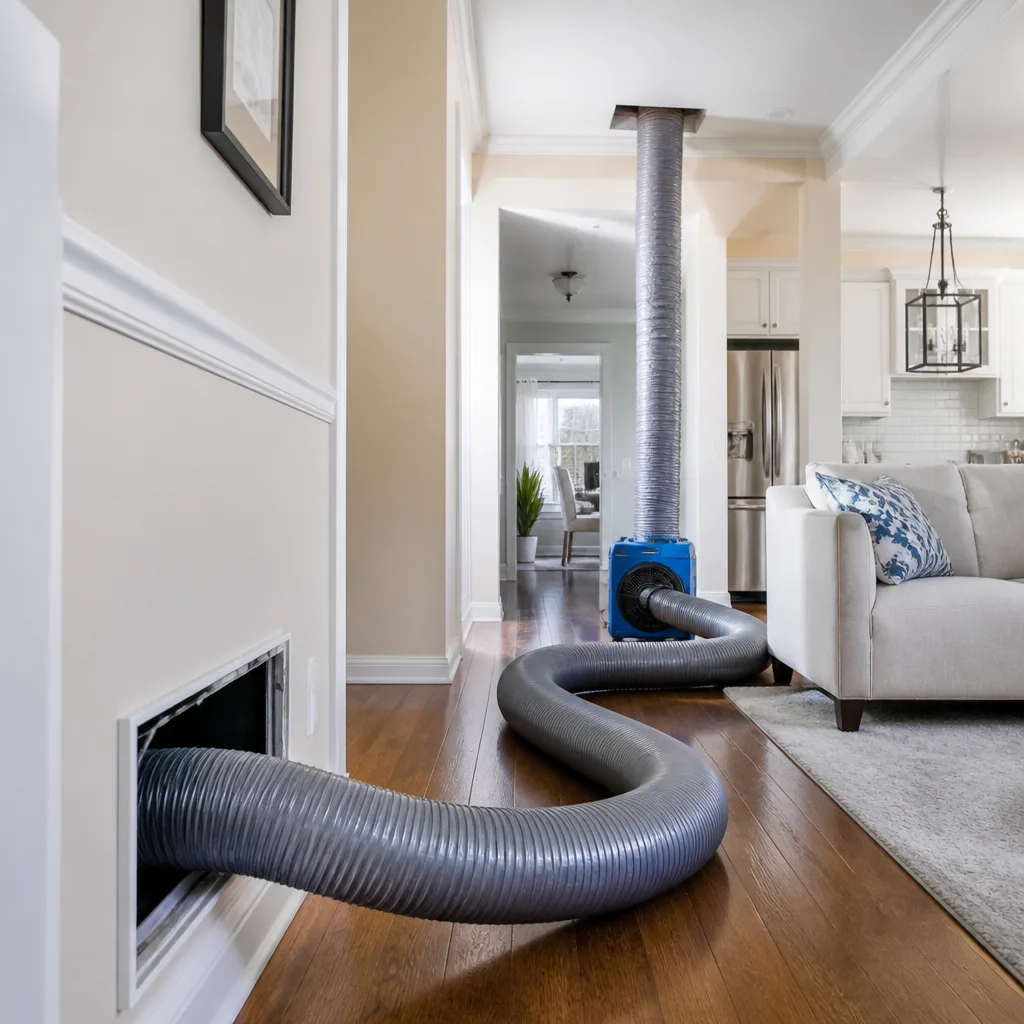 Whole-home duct cleaning
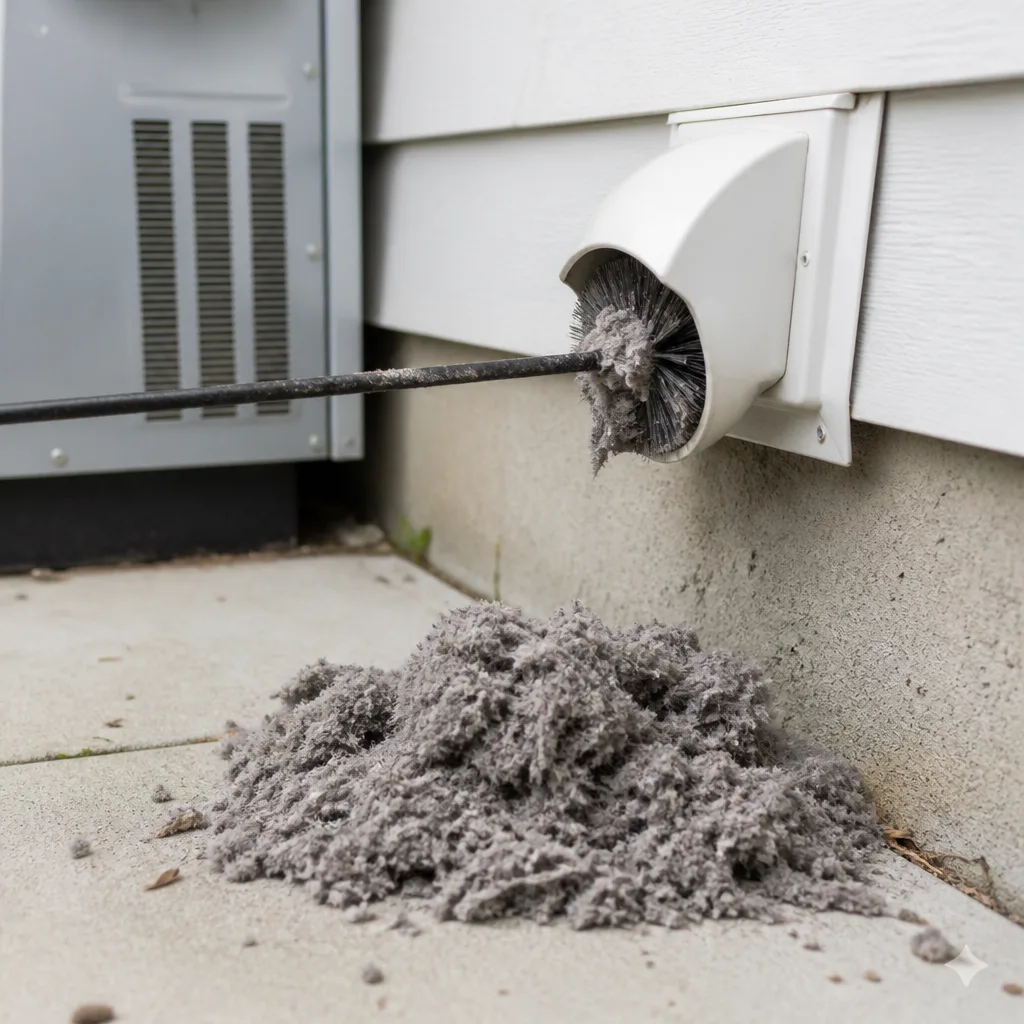 Dryer vent cleaning
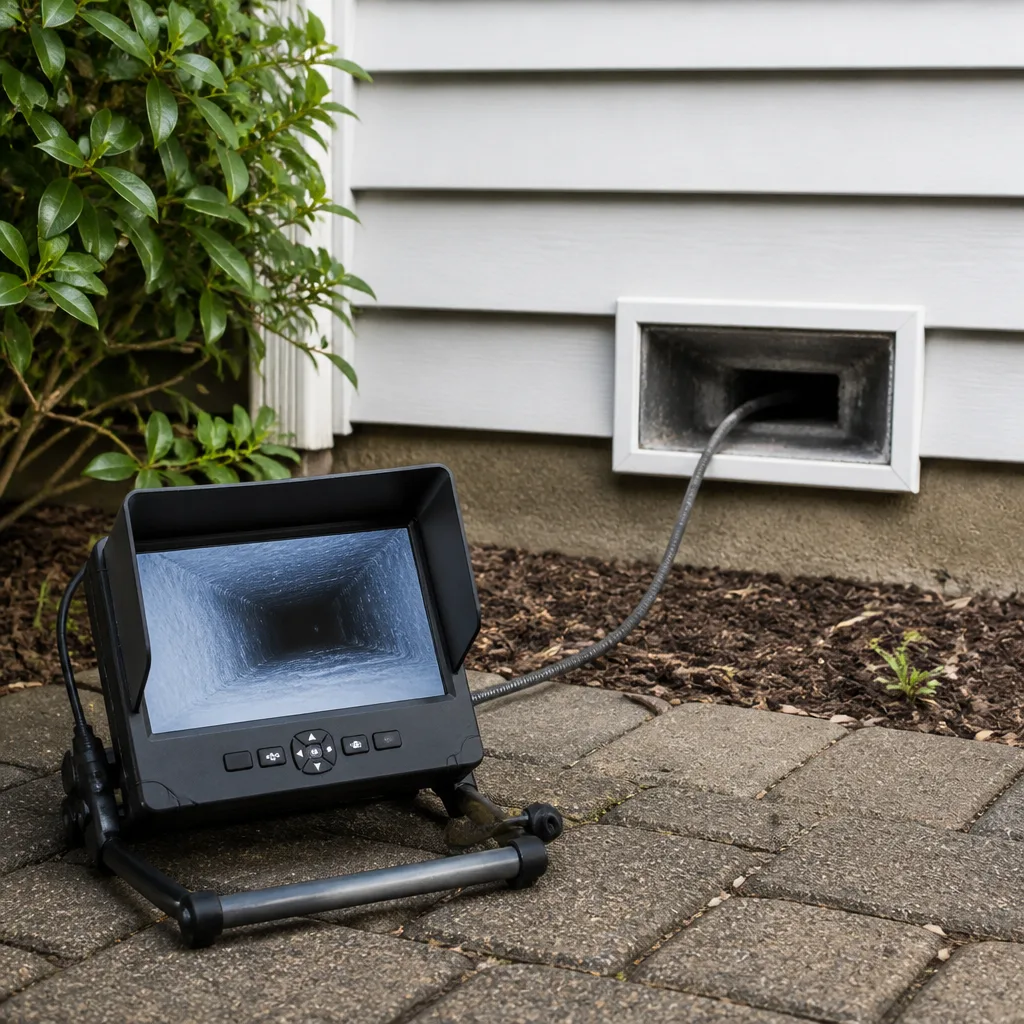 Camera inspection
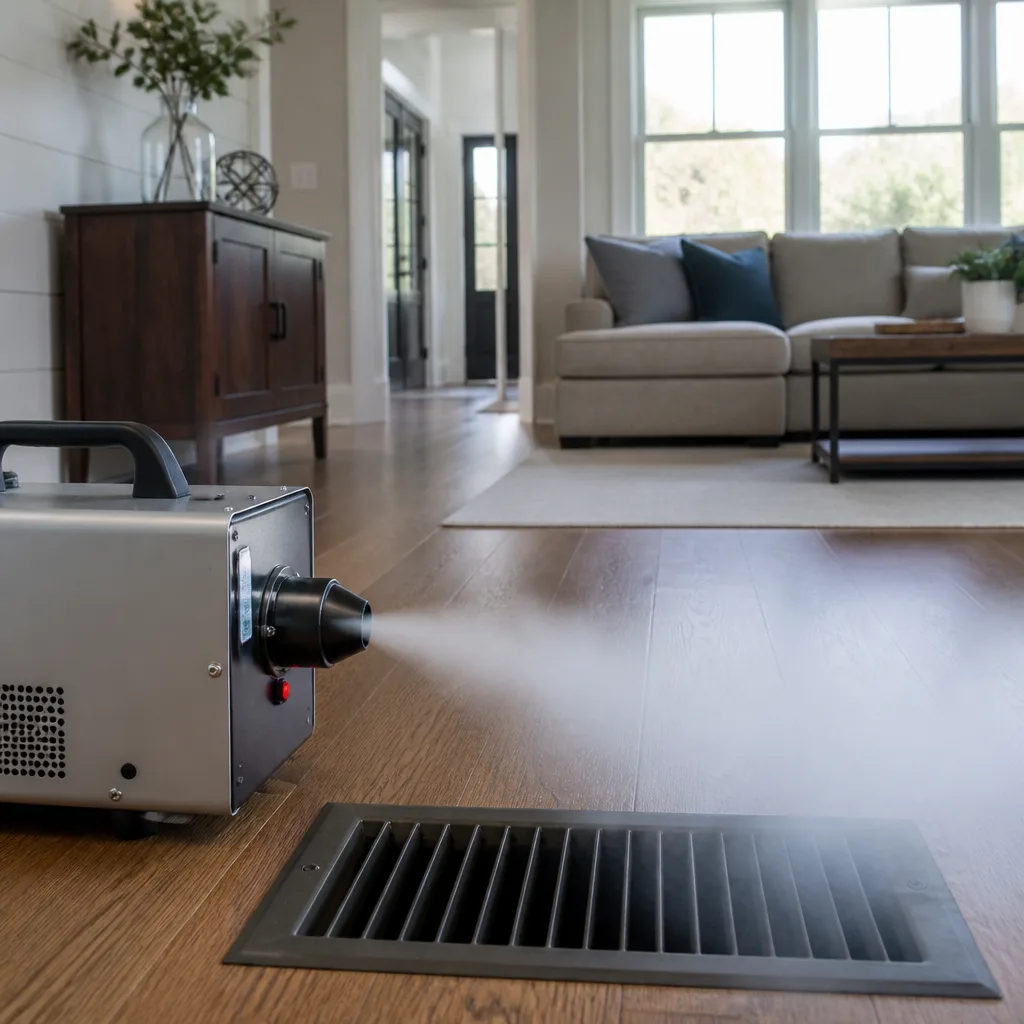 Sanitizing & deodorizing
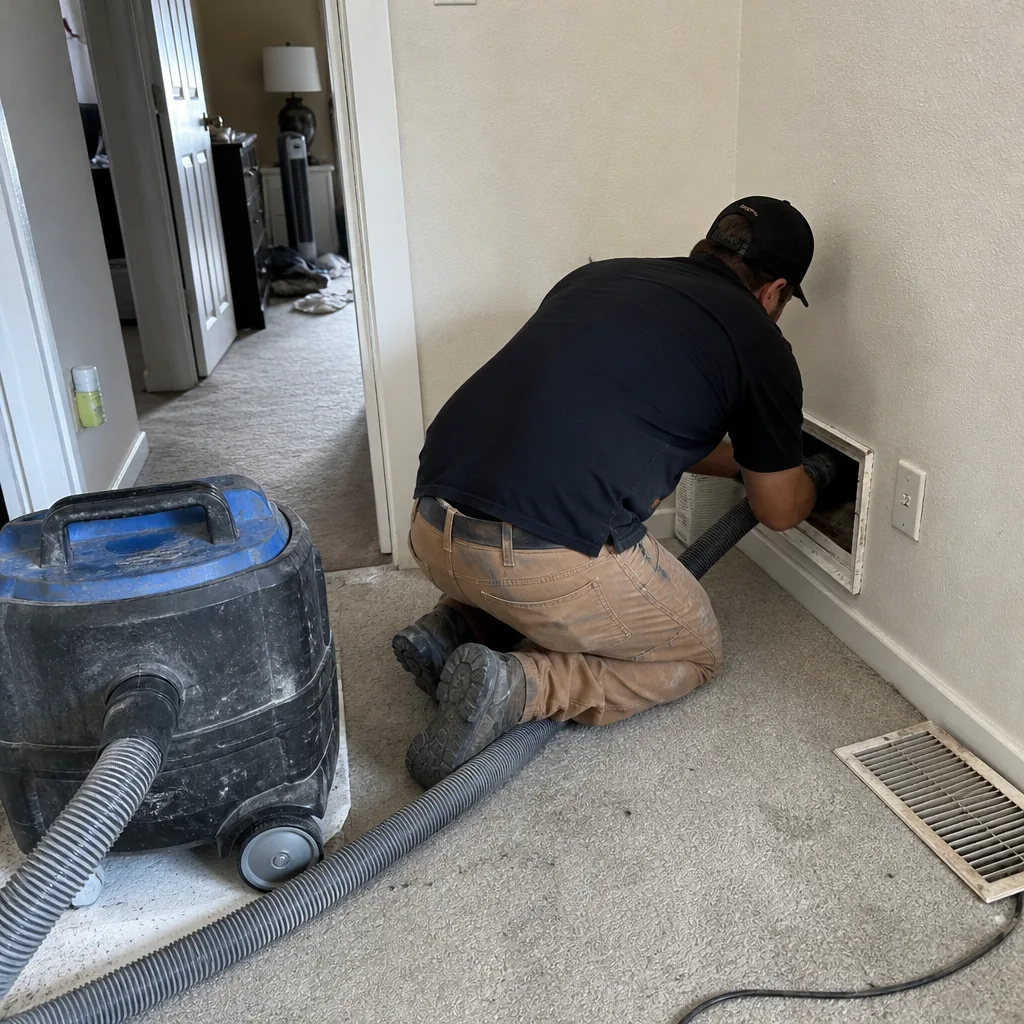
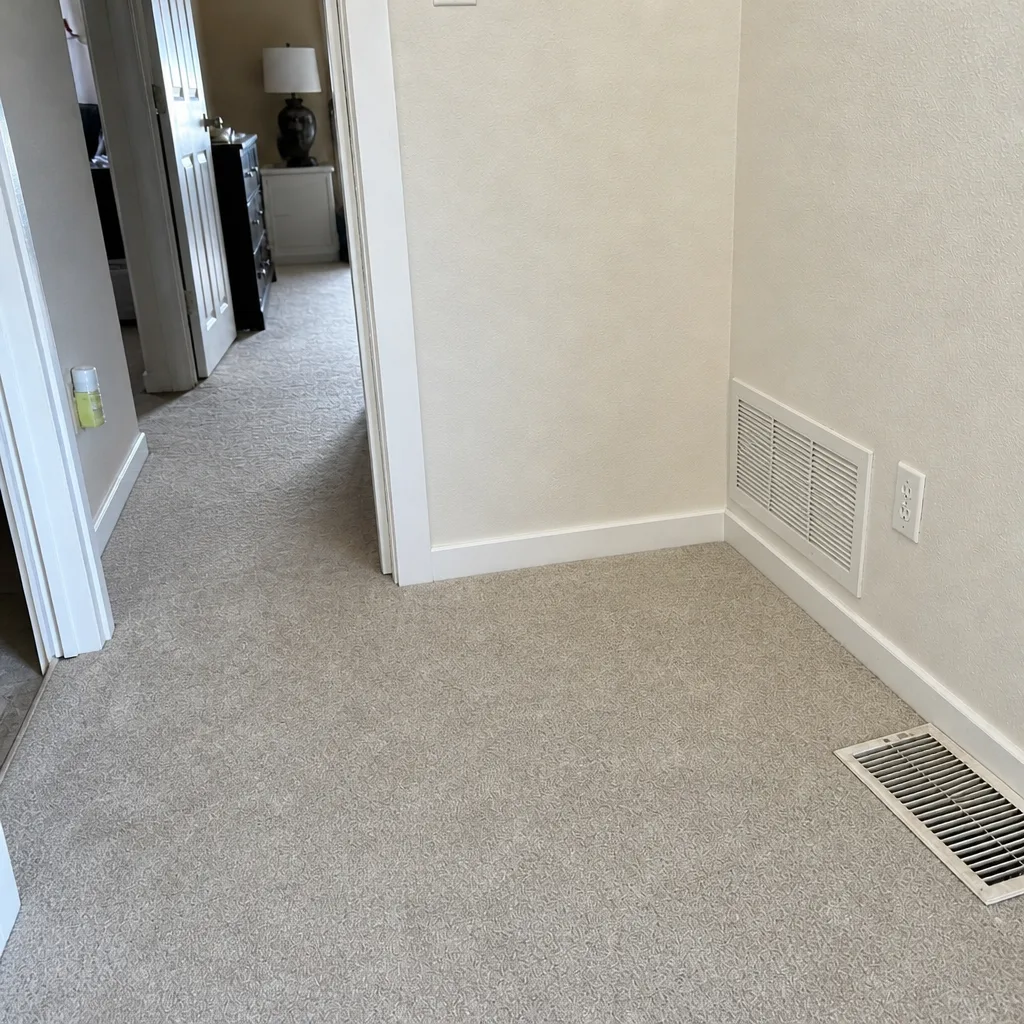
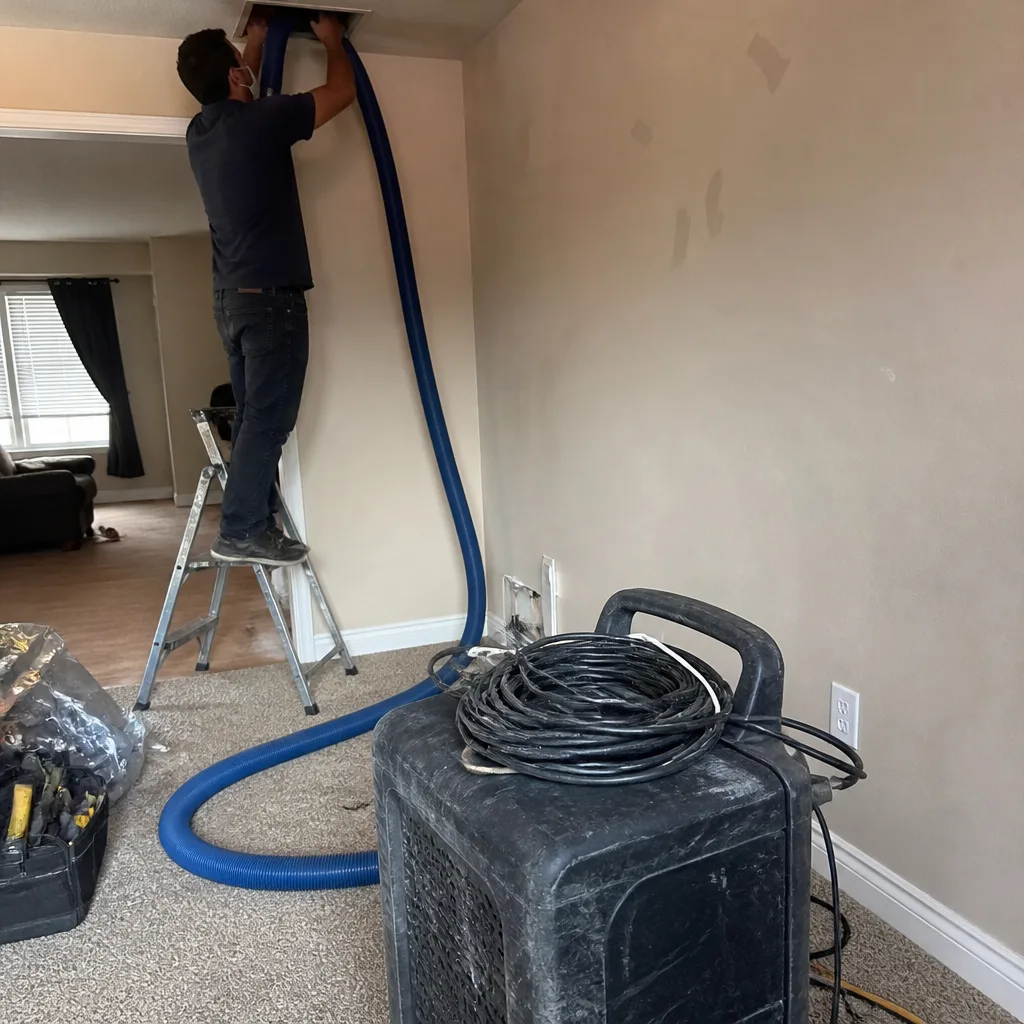
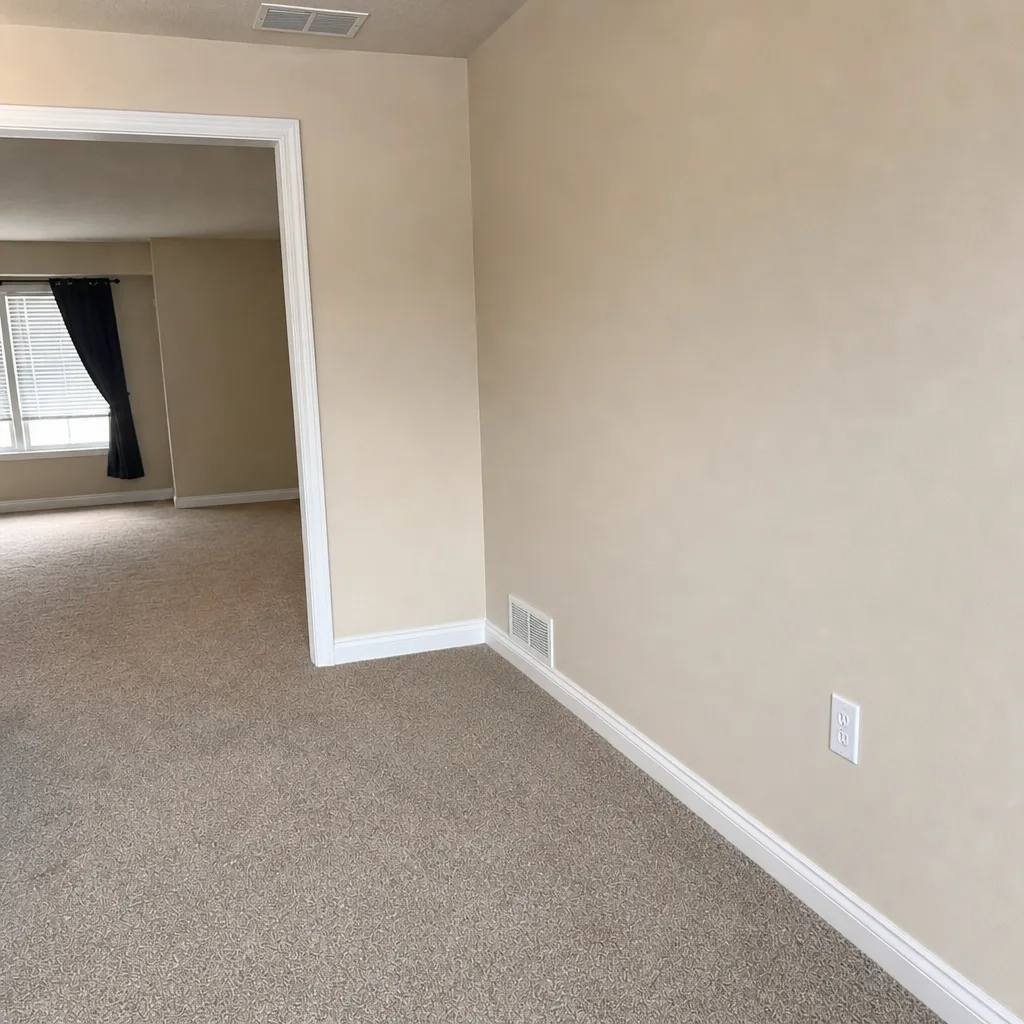
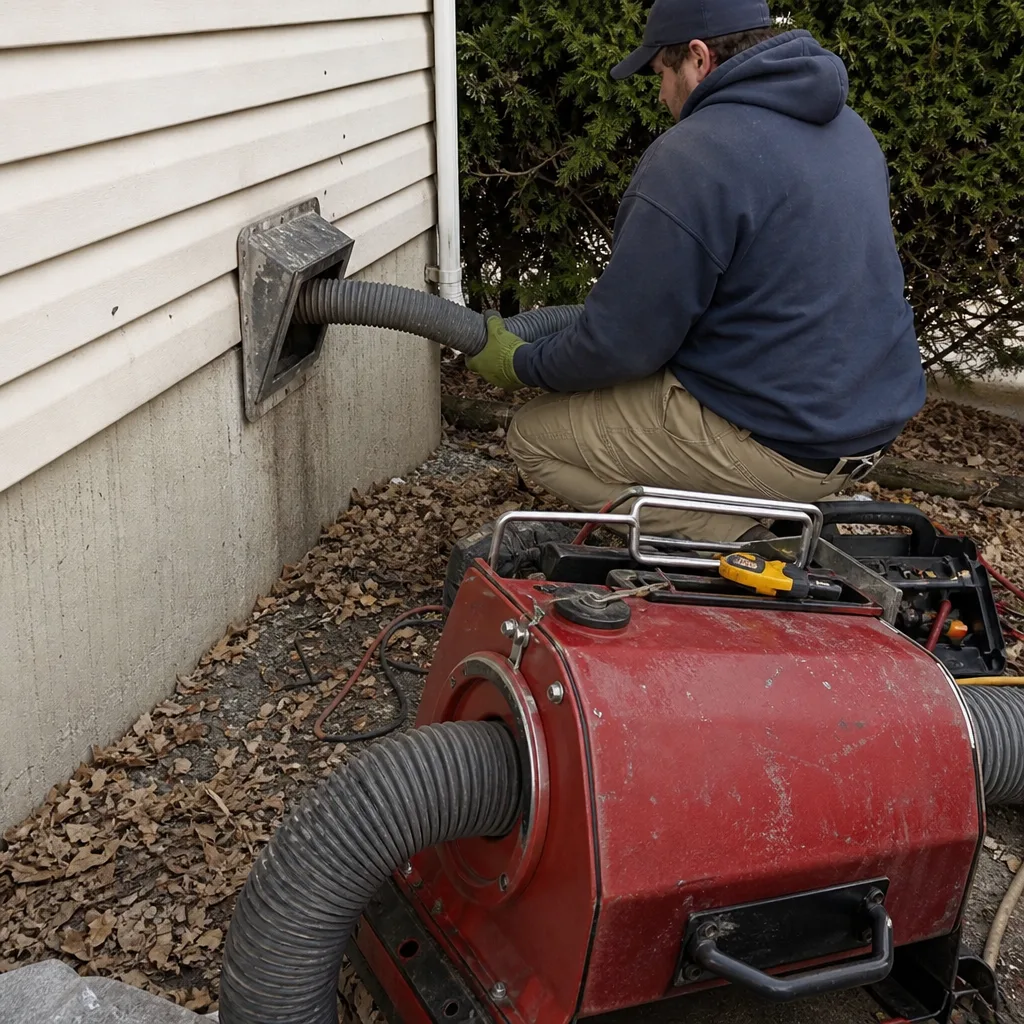
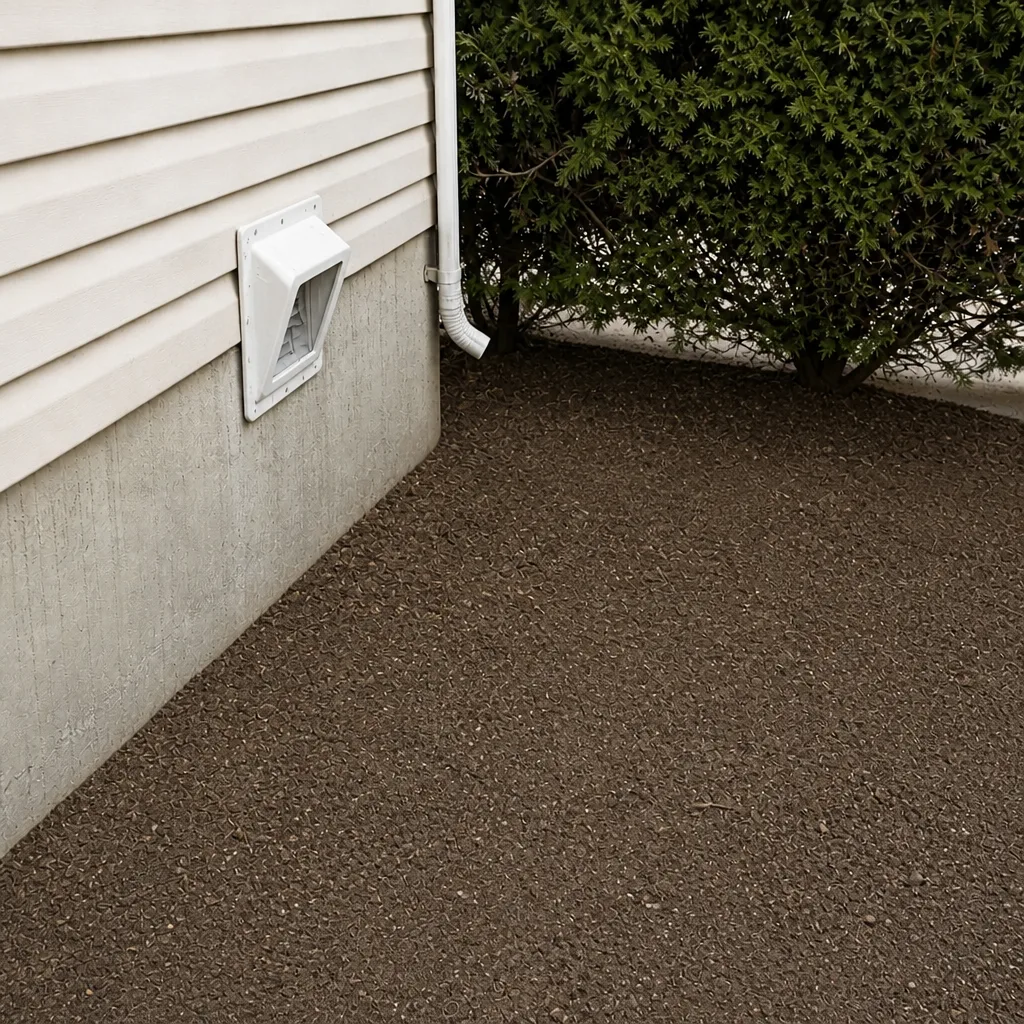
Whole-system duct and dryer vent check with before-and-after photos - you see exactly what came out of your vents
That "$99 whole-house special" is a bait ad - the real number appears once they are in your hallway, or the "clean" is a shop-vac at the register. We photograph the inside of your ducts before and after instead.
Air Duct Cleaning Warning Signs: A Provo Homeowner’s Reference Guide
Every fall, somewhere in Provo, a furnace kicks on for the first time in months and pushes a smell through the house that the family has smelled before. Most people shrug it off. They open a window, run the fan for an hour, and file it under normal. The problem is that a startup smell and contamination smell can look identical from the living room, and the difference matters. This guide is written for homeowners who want to tell those two things apart, read the quieter signals their HVAC system is sending, and decide when a duct problem is surface-level and when it points to something structural. You’ll find self-tests you can run with a flashlight and a thermometer, the warning signs most checklists skip, and honest answers about what professional assessment actually involves in Provo.
Quick Answer
You likely need air duct cleaning in Provo if you notice a musty or earthy smell that returns within minutes of the furnace starting and lingers past the first few cycles of the season, visible dark debris at the supply registers, rooms that never reach temperature, or a spike in allergy symptoms that tracks specifically with inversion season. A one-time dusty smell on the first heat cycle of fall is normal. A smell that persists, spreads, or comes back every time the system runs is a sign to get the system looked at.
Styles & brands we work with
- Whole-home duct cleaning
- Dryer vent cleaning
- Camera inspection
- Sanitizing & deodorizing
Table of Contents
- The Startup Smell vs. the Contamination Smell
- Uneven Heating and Cooling: Reading Your Registers
- Allergy Symptoms That Follow Inversion Season, Not the Calendar
- What Visible Debris at a Register Actually Tells You
- Post-Renovation Warning Signs
- System-Level vs. Surface-Level: Which Problem Do You Have?
- What Professional Equipment Should Look Like
- What Air Duct Cleaning Costs in Provo
The Startup Smell vs. the Contamination Smell
A dusty smell on the first heat cycle of the season is normal, and it should clear within a few minutes to an hour. A smell that returns every time the system runs, or that has an earthy, musty, or wet-cardboard character, is not the same thing. That second smell is the one worth acting on. The first is dust and light debris sitting on a heat exchanger that hasn’t been used since spring. The second usually means something is trapped and biologically active inside the ductwork, or on the heat exchanger side of the system where moisture and warmth meet.
Here’s the reasoning. In Provo, a heating system sits idle through a dry summer, then gets fired up in October when the first cold night arrives. During those idle months, dust settles. So does whatever humidity the house held. When the furnace heats that surface, the dry dust burns off in a harmless puff. Wet or organic material doesn’t burn off. It keeps releasing odor every time the plenum warms. That’s the signal you want to catch.
Use this simple checklist to tell the two apart:
- Time test. Run the furnace and note how long the smell lasts. Clears in under an hour and never returns that season: normal. Returns on every cycle or within a day: contamination indicator.
- Character test. Dry, dusty, “hot metal”: normal. Earthy, musty, wet cardboard, or faintly sweet: contamination indicator, and worth a professional look.
- Location test. Smell only at first heat of the season: thermal. Smell at every register or strongest in bedrooms: duct-level. Smell strongest near the furnace or air handler: heat exchanger or plenum.
- Duration test. Does the smell go away if you run only the fan with no heat? If it does, the odor source is likely heat-activated. If it stays, the source is in the airstream itself.
If a smell persists past those checks, we recommend having the system assessed before the heating season is in full swing. Odor from the heat exchanger side of the system is worth taking seriously, and a trained technician can tell you whether the source is debris, microbial growth, or a duct problem that needs repair rather than a cleaning.
Uneven Heating and Cooling: Reading Your Registers
Rooms that stay cold in winter or hot in summer can mean a duct restriction, and there’s a self-test you can run in fifteen minutes with a cheap kitchen thermometer and a piece of tissue paper. It won’t tell you exactly where the restriction is, but it will tell you whether you have a flow problem at all, or whether the issue is elsewhere in the system (insulation, windows, a failing HVAC unit).
Here’s how to compare register output:
- Close all doors and windows. Let the HVAC system run for twenty minutes to stabilize.
- Hold a tissue against each supply register in order, starting with the room that feels coldest (or hottest) in the house. Note how much the tissue deflects.
- Hold the thermometer two inches in front of each register for a full minute and record the temperature.
- Compare rooms. A room within 2-3 degrees of the strongest register is probably fine. A room more than 5 degrees off, with clearly weaker airflow at the register, is a restriction indicator worth investigating.
- Repeat at the return grilles. Weak return flow on one side of the house often explains weak supply flow on the same side.
In Provo, uneven flow reads differently depending on the home’s age and layout. Older homes around the Maeser and Joaquin neighborhoods often have original trunk-and-branch ductwork with undersized returns, so the far bedroom has been cold since the house was built. Newer construction can develop the same symptom when a duct has come apart at a joint behind drywall or insulation. In both cases, the register comparison tells you which side of the house to look at. What it can’t tell you is whether the fix is a cleaning, a repair, or a mechanical adjustment. That’s a job for somebody with the right equipment and a camera or access to every run.
We treat uneven flow as a signal that the duct system itself needs a look, not just a cleaning. A restriction is a mechanical problem. Cleaning the ducts without addressing it just means you clean the system and still have a cold bedroom.
Allergy Symptoms That Follow Inversion Season, Not the Calendar
Allergy symptoms that spike during Utah Valley’s winter inversion season, then ease when the air clears, can point to your ducts recirculating trapped particulate rather than to a new allergy. That’s the pattern worth watching for. Year-round allergy symptoms usually track pollen, dust mites, or pet dander, and they’re driven by what’s inside your home. Inversion-season symptoms track the ambient outdoor air quality, and they get worse when the house is closed up and the HVAC system is running on a recirculation cycle.
Provo sits in the valley bowl. During winter inversions, cold air traps warm air and pollutants below the rim of the mountains, and the air quality in Provo can stay poor for days or weeks at a stretch. When that happens, homeowners keep the windows shut and run the furnace. The furnace draws air through the return, through the ducts, and back out into every room. If those ducts are already coated with dust, construction particulate, or biological growth, then the system is doing something worse than nothing. It’s redistributing that material into the air the family breathes, right when the outdoor air is at its worst.
The tell is specificity. Symptoms that are mild in spring and fall, then get noticeably worse during the first sustained inversion of the winter, then ease again when the valley clears, are pointing at recirculation. This is the pattern we see most often in Provo homes with young children, older adults, or family members with diagnosed respiratory sensitivity. It’s also the pattern that gets missed because the symptom is seasonal and people assume it’s the inversion itself. It’s worth considering that the inversion is the trigger, and the ducts are how it gets into the house.
Homes with whole-home air quality components need a closer look, because the filter or the humidity control can be working correctly while the ductwork feeding it is not. That’s one reason we’re trained on Honeywell and Aprilaire integrated systems. A filter can only do what the ducts deliver to it. If the return trunk is coated, the filter is catching the easy part and the rest keeps moving.
What Visible Debris at a Register Actually Tells You
Visible debris at a supply register tells you where the contamination source sits relative to that register. That’s the useful part. The debris at the grille itself is not the problem. It’s a clue about which run the material is traveling through, and how far upstream the source is. Here’s how to read it:
- Dark, uniform dust coating inside the register and the first inch of duct: typical household accumulation. Usually the whole system, not one run, and generally a maintenance-level cleaning rather than an urgent one.
- Clumpy or lint-like material at one or two registers, clean at the rest: local source. Often a return-side problem, a poorly sealed joint near that run, or a disconnected flex duct dropping insulation into the airstream.
- White or grey fibrous material: insulation fibers. Worth a professional look because it usually means a duct liner or flex duct has failed internally, and that’s a repair problem, not a cleaning problem.
- Fine pale dust coating everything downstream of one specific diffuser: drywall dust, usually from renovation work. Denser than household dust and worth specific extraction, not a standard pass.
- Dark staining at the base of the register boot, with or without visible debris: often moisture. If it’s accompanied by any musty smell, treat it as a contamination indicator.
In Provo, the most common surprise we see at registers is drywall dust. It settles into the same ducting as household dust but weighs more, clings harder, and doesn’t move with a normal return-air draw. Standard shop-vac-level equipment won’t extract it. You need contact agitation, and that’s the main reason we use Rotobrush contact-cleaning equipment and Nikro extraction tools. They physically work the debris off the duct wall rather than pulling air past it. If you see fine pale dust at the registers and you’ve had work done on the house within the last year, treat it as a renovation-particle situation and get a professional assessment before the next heating season.
Post-Renovation Warning Signs
Post-renovation duct contamination is a different problem from routine buildup, and the warning signs are specific. Drywall dust, insulation fibers, sawdust, and construction adhesive off-gassing all behave differently from household dust. They’re denser, they cling to duct walls instead of drifting, and in the case of adhesive solvents, they leave a smell that lingers long after the drywall is up.
Watch for these signs within the first year after any significant renovation:
- A fine, pale dust settling on horizontal surfaces in rooms that were not part of the work. That’s the return system pulling construction dust through the house and redistributing it.
- New or worsening nasal irritation and throat tickle in the weeks after construction wraps. Construction particulate is smaller than most household dust and travels further into the airway.
- Visible drywall dust at registers in the renovated rooms specifically. The source is the return nearest the work zone.
- A chemical or adhesive smell that appears only when the HVAC runs. Off-gassing solvents get pulled into the return and recirculated.
- A filter that clogs within weeks of replacement. A filter that loads up fast after a renovation means the airstream is carrying more particulate than the filter was designed to catch.
Provo sees a lot of renovation activity in established neighborhoods, and every remodel has the same risk: the duct system becomes the dust collection system. Sealing off the work area helps, but it doesn’t stop the HVAC from pulling dust through open returns if the system runs during construction. By the time the dust settles, the material is already inside the ducts. Post-renovation cleaning calls for extraction equipment rated for fine particulate and containment, not a shop vacuum. That’s where Abatement Technologies negative-air equipment matters. It keeps disturbed particulate contained while the work is happening instead of pushing it into the living space.
If the renovation involved any ductwork modification (a new register, a moved return, a finished basement, an added room), get a duct inspection before you clean. A duct that was cut but not properly sealed will keep leaking every cleaning you do afterward. That’s why we offer air duct repair as a standalone service. Cleaning a damaged system just resettles the problem.
System-Level vs. Surface-Level: Which Problem Do You Have?
The distinction that matters is between a surface-level dust problem and a system-level problem. Surface-level problems are the ordinary buildup of household dust and lint. System-level problems are structural: a disconnected duct, a clogged or collapsed run, microbial growth on the exchanger or plenum, a failed internal liner, or a return pulling from an unconditioned space. Cleaning is the right answer for the first. Cleaning alone is the wrong answer for the second, because you’d be cleaning a system that will recontaminate within a season.
Here’s a rough decision guide:
- Surface-level: steady fine dust at all registers, no odor, no uneven flow, symptoms improve when the filter is replaced. Cleaning on a normal maintenance schedule is the answer.
- System-level, odor: persistent musty or earthy smell that returns with every heat cycle. Requires inspection before cleaning. May need repair.
- System-level, airflow: one room persistently off-temperature, tissue test confirms weak flow at one register. Duct restriction. Repair needed, cleaning secondary.
- System-level, contamination: visible insulation fibers or a filter that clogs within weeks. Internal liner failure or an unsealed connection. Repair before cleaning.
- System-level, renovative: construction dust in the system. Cleaning is right, but extraction equipment rated for fine particulate is required.
This is the single biggest gap in residential duct cleaning as a category. Most duct cleaners do one thing well and stop there. A system-level problem needs a technician who can open a duct, understand what’s wrong with it, and fix it. Our three-service scope (air duct cleaning, dryer vent cleaning, and air duct repair) exists because those three problems come up on the same visit, and addressing one without the others is how a cleaning gets undone. If you want the full picture on the cleaning side, see our air duct cleaning page.
What Professional Equipment Should Look Like
Professional equipment matters because it’s the difference between cleaning a duct and agitating the debris so a vacuum can remove it. Consumer vacuums, portable shop vacs, and the low-powered units some discount cleaners bring to the house pull air past the dust. They don’t touch what’s clinging to the duct wall. You can see the debris at the register after they leave and conclude the work got done. Then it settles again and the symptoms return.
What to watch for in a quote or an on-site visit:
- Contact-cleaning capability. Look for equipment that physically works the duct wall, not just pulls air through it. Rotobrush systems are the standard in residential contact cleaning, and they’re what we use.
- Extraction power appropriate for the job. Nikro equipment is professional grade and designed for the volumes involved in whole-system work.
- Containment and negative-air capability. On contamination jobs and post-renovation work, containment matters as much as extraction. Abatement Technologies equipment is the same standard remediation contractors use, and it’s what we carry.
- Familiarity with integrated air quality systems. Homes with Honeywell or Aprilaire components need a technician who knows how the filter, humidifier, or air cleaner interacts with the ductwork. Cleaning around a system you don’t understand is how components get damaged.
- Before-and-after photos of your own ducts. Not stock photos. Photos of your system, taken with your house number or a timestamped reference so you know it’s yours.
The other thing worth checking is the quote structure. A legitimate cleaning quote is a whole-system price agreed before work starts. If the quote is per-register, per-vent, or based on a teaser number that gets adjusted once the technician is on-site, that’s the bait-and-switch pattern this industry is known for. We price per system, in writing, before we start.
What Air Duct Cleaning Costs in Provo
Air duct cleaning in Provo typically runs in the range of $350 to $800 for a whole-house system, depending on the size of the home, the number of runs, and how much contamination is present. A post-renovation cleaning or a job with heavy particulate and containment needs will land higher in that range. A dryer vent cleaning is a separate, smaller job. A duct repair is priced per the damage, not per the cleaning.
Here’s how a typical estimate breaks down:
| Service | Typical Range (Provo) | What It Covers |
|---|---|---|
| Whole-house air duct cleaning | $350 – $800 | All supply and return runs, contact agitation, extraction, before-and-after photos |
| Post-renovation cleaning | Upper end of the range | Includes containment and fine-particulate extraction |
| Dryer vent cleaning | Separate, smaller job | Full vent run, lint extraction, airflow verification |
| Air duct repair | Priced per the damage | Sealing, reconnecting, re-routing, or repairing damaged runs |
Use those numbers as a rough guide, not a quote. Every home in Provo is different, and the written estimate is what sets the final price. If a quote you’ve received comes in well under the lower end of that range, ask what equipment is being used and what’s actually included. If it comes in well above, ask what the specific scope is. A whole-house cleaning should not be a per-vent charge stacked up across the house, because the number of vents is a fixed feature of any system and the cleaning is not more work per vent than a whole-system pass.
We do free estimates for Provo homeowners. Call us and we’ll set a time to look at the system and quote the work in writing. See our main page at Duct Cleaning Provo for the full scope of what we do.
Common Mistakes to Avoid
- Assuming a startup smell is normal. The first heat cycle smell is normal. A smell that repeats with every cycle, or that has an earthy or musty note, is a contamination indicator and deserves a look. Assuming otherwise costs you a heating season of recirculated debris.
- Hiring on price alone. A quote that comes in dramatically under the typical Provo range is either using consumer-grade equipment or is a teaser that will grow once the technician is on-site. Ask about equipment and quote structure before booking.
- Skipping the airflow test. Homeowners often chase allergen complaints with filters and air purifiers when the actual problem is a duct restriction that’s reducing airflow to half the house. The tissue-and-thermometer test takes fifteen minutes and rules the restriction in or out.
- Cleaning before repairing. On a system with a disconnected duct or internal liner failure, a cleaning pulls air past the failed joint and stirs up what’s in the attic or wall cavity. Get the system inspected, fix the structural problem, then clean.
- Treating post-renovation dust like routine dust. Drywall particulate is denser and clings harder. A standard cleaning pass leaves it behind. Post-renovation work needs contact agitation and containment.
- Ignoring the dryer vent. The dryer vent is a separate system with its own risk profile. Lint buildup in the vent is a fire hazard, and it’s the one duct problem in the house that fails dangerously rather than gradually. Dryer vent cleaning is worth doing on its own schedule.
- Accepting a cleaning without before-and-after photos of your own system. A legitimate job can show its work. If the only photos you see are stock images, you have no way to verify what happened inside your ducts.
See the difference
 Before
 After
 Before
 After
 Before
 After
When to Call a Professional
Call a professional when any of these are true: the startup smell returns with every heat cycle or has an earthy or musty character; the register comparison test shows one or more rooms more than 5 degrees off with weak airflow; allergy symptoms consistently spike during Provo’s inversion season and ease when the valley clears; you can see insulation fibers or fine drywall dust at the registers; the house has had a renovation within the past year and any of the post-renovation signs above are present; or the filter clogs within weeks of replacement. Those scenarios point to something a normal cleaning pass won’t fix on its own, and they need a system-level look before money gets spent. Our technicians have up to experience diagnosing exactly this kind of problem. Duct Cleaning Provo offers free estimates in Provo, and we work with Provo homeowners on cleaning, repair, and dryer vent work. Call (877) 798-7857.
Frequently Asked Questions
The earliest signs are a musty smell that returns with every heat cycle, visible dust at the supply registers that reappears within days of wiping it off, and one or more rooms that stay notably cooler or warmer than the rest of the house. Fine pale dust at registers after a renovation is a fourth signal. Any single one of these is worth a professional look. Call (877) 798-7857 for an exact quote. Estimates are free.
A normal startup smell should clear within a few minutes to an hour, and it should not return during the heating season. If the smell comes back on every cycle, or persists days after the first run, it’s an indicator of trapped debris or contamination and not a heat-off smell. That’s when to have the system assessed.
Yes. During an inversion, the house stays closed up and the HVAC system recirculates air through the ducts continuously. If the ducts are coated with dust or particulate, that material gets redistributed into the air the household breathes. Symptoms that track inversion season specifically rather than year-round are the pattern to watch for.
An old system with years of buildup is often the case where cleaning matters most, but it needs an inspection first. A duct that’s come apart, a liner that’s failed, or a restriction upstream will recontaminate the system quickly. Get the system assessed, address any structural problem, then clean. Cleaning a broken system just resettles the problem.
Contact-cleaning equipment that physically works the duct wall and extract the loosened debris, plus containment and negative-air capability on jobs with heavy contamination or post-renovation particulate. Rotobrush contact systems and Nikro extraction equipment are the residential standard, and Abatement Technologies containment is the same standard remediation contractors use. Ask what your provider uses before booking.
Whole-house air duct cleaning in Provo typically runs about $350 to $800. Quotes that come in well under that range usually mean consumer-grade equipment, a partial cleaning that doesn’t cover every run, or a teaser that grows on-site. Ask what equipment and scope are included before you book. Call (877) 798-7857 for an exact quote. Estimates are free.
The Bottom Line
The warning signs that matter most are the quiet ones. A musty smell that returns with every heat cycle. A room that never warms. Allergy symptoms that peak during inversion season. Drywall dust at a register eight months after a renovation. Each of these points to a system-level problem, not surface dust, and a standard cleaning without a diagnosis won’t resolve it. If you recognize any of them, get the system looked at properly, with a technician who can tell you whether the answer is a cleaning, a repair, or both. Call (877) 798-7857 for a free estimate. We answer 24/7. Fast dispatch from 7am to 7pm, Sunday through Friday. Every job gets one flat price per system agreed before work starts, before-and-after photos of your own ducts, and a written estimate that sets the final price.
Written by the team at Duct Cleaning Provo.