
Last updated November 16, 2026
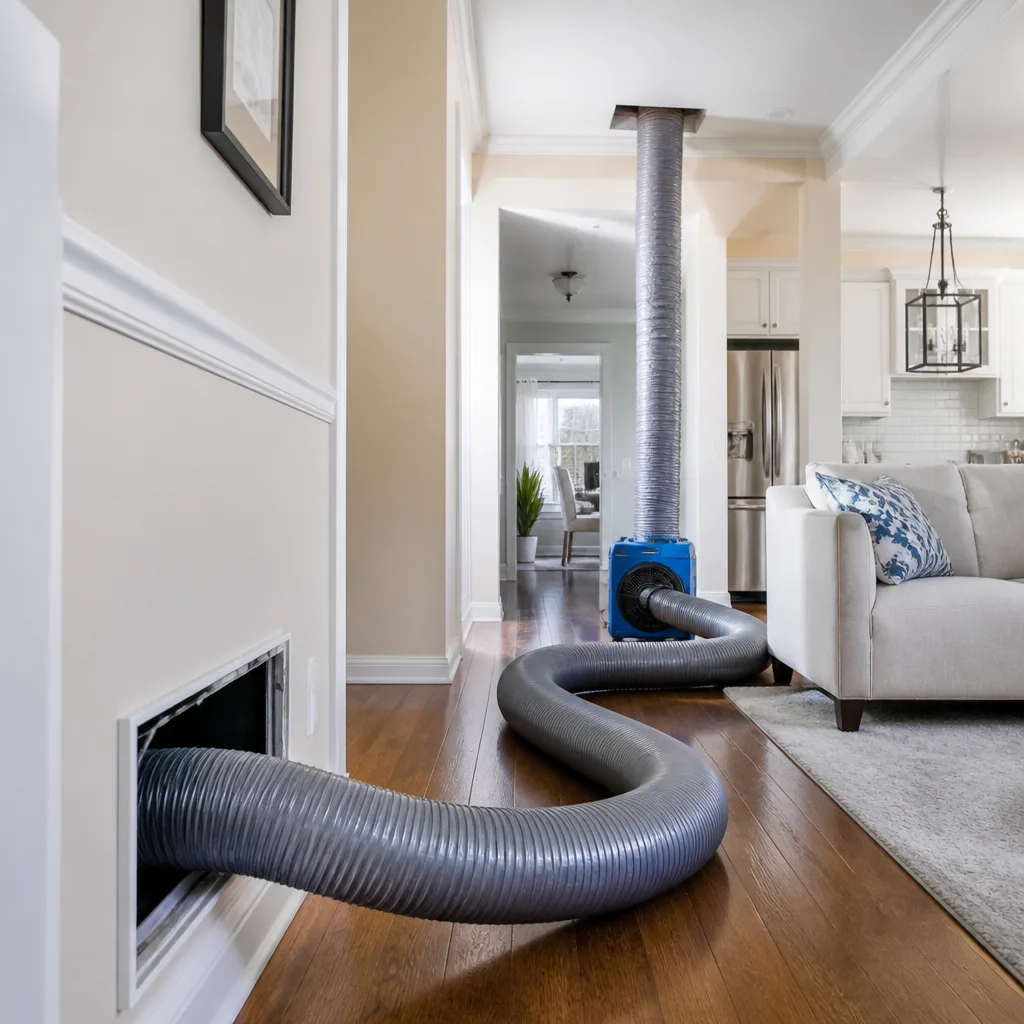 Whole-home duct cleaning
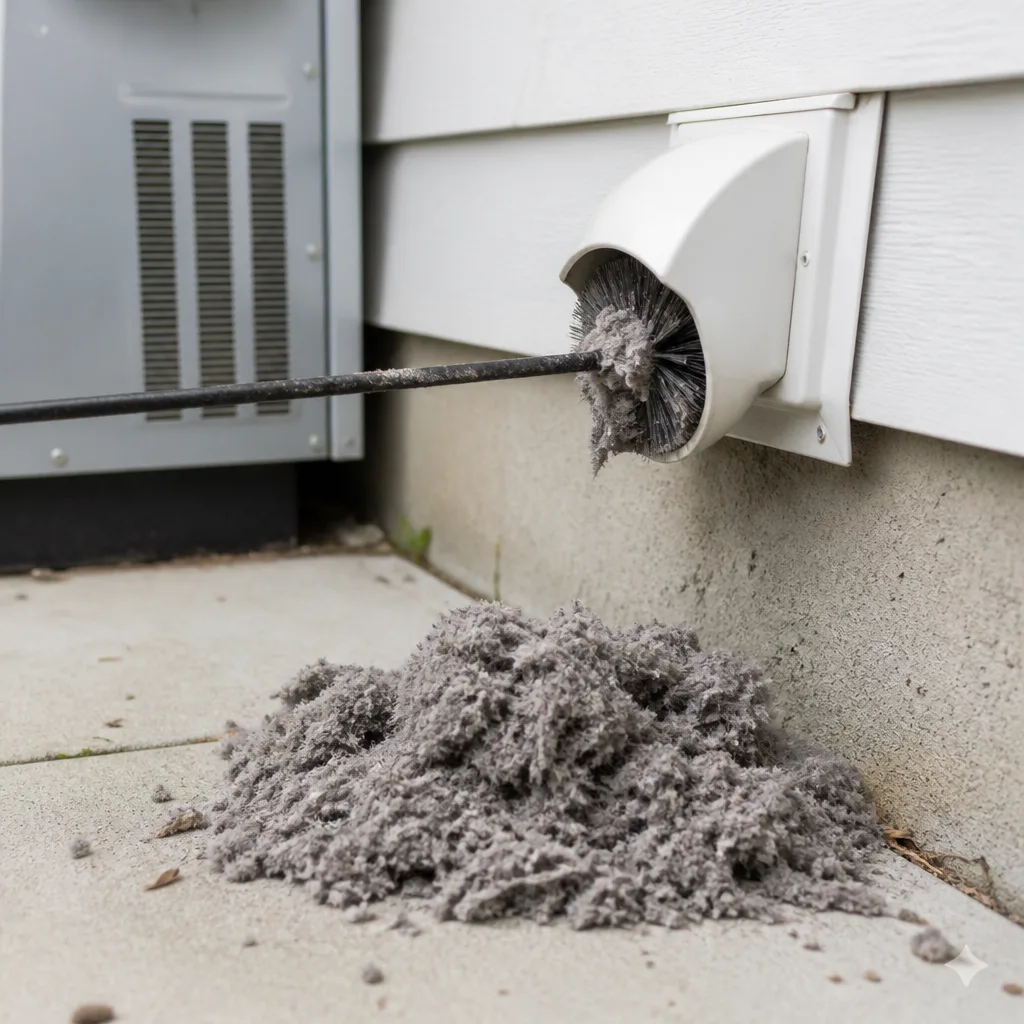 Dryer vent cleaning
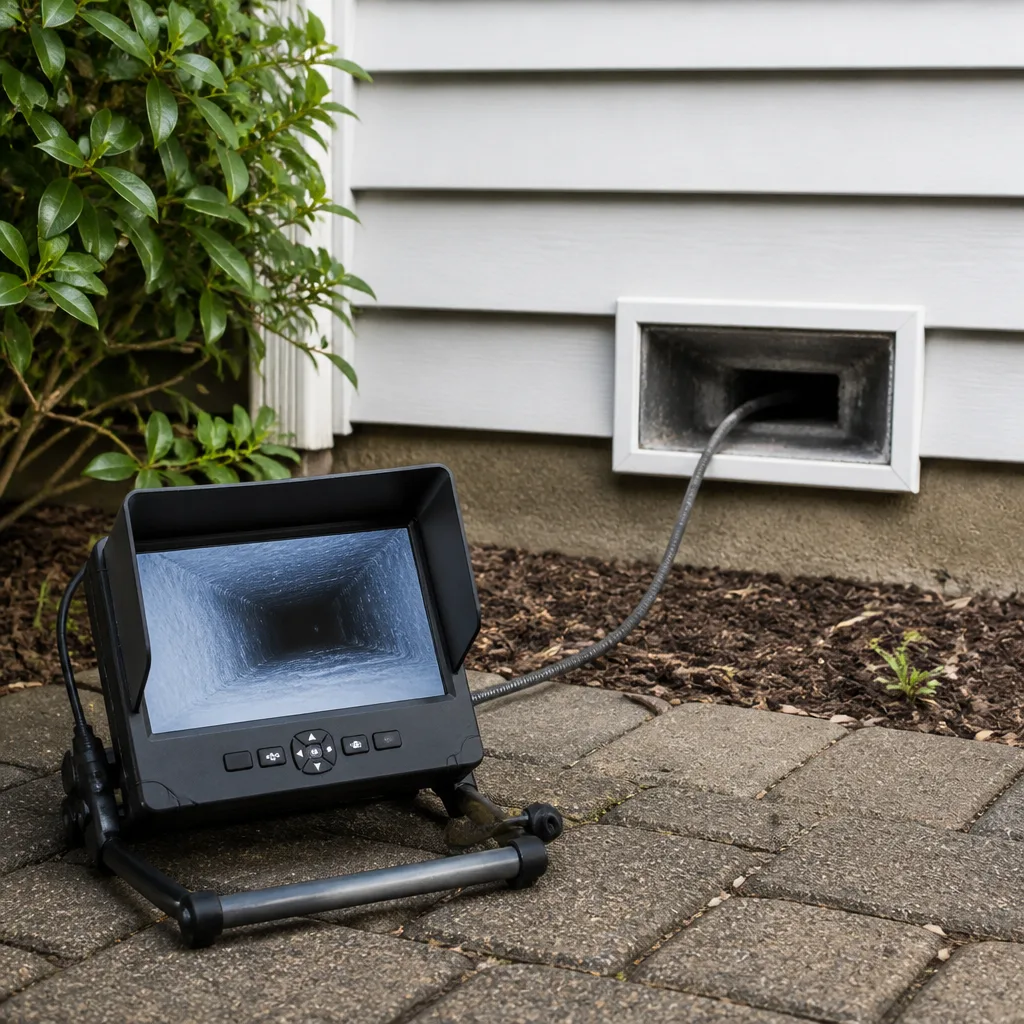 Camera inspection
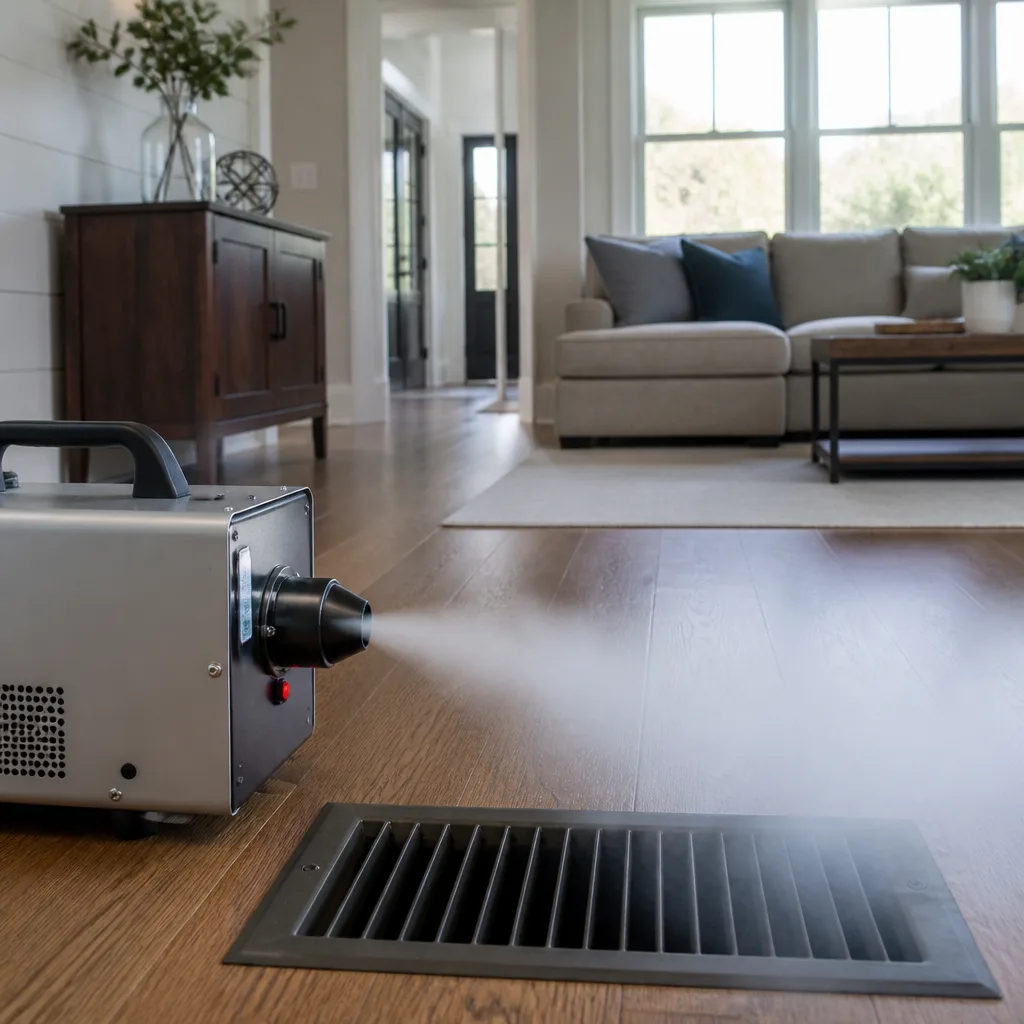 Sanitizing & deodorizing
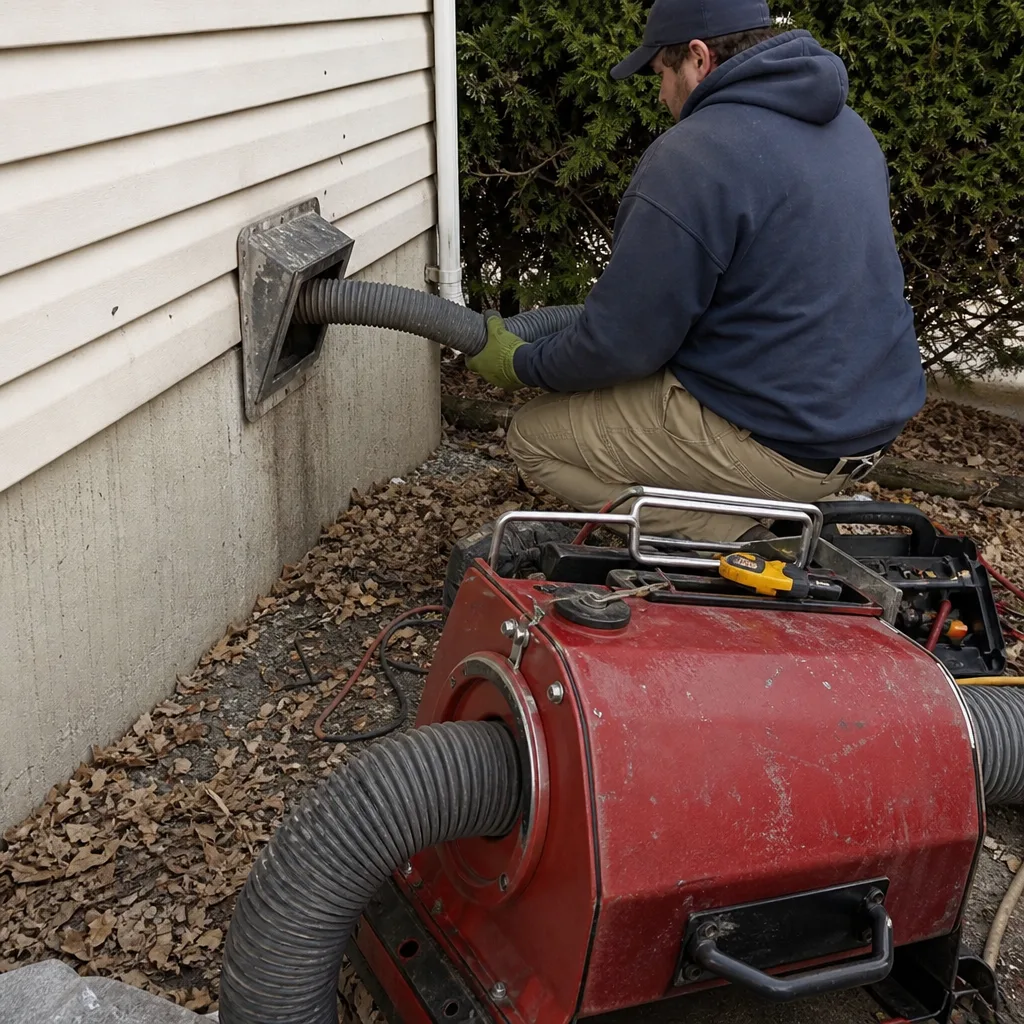
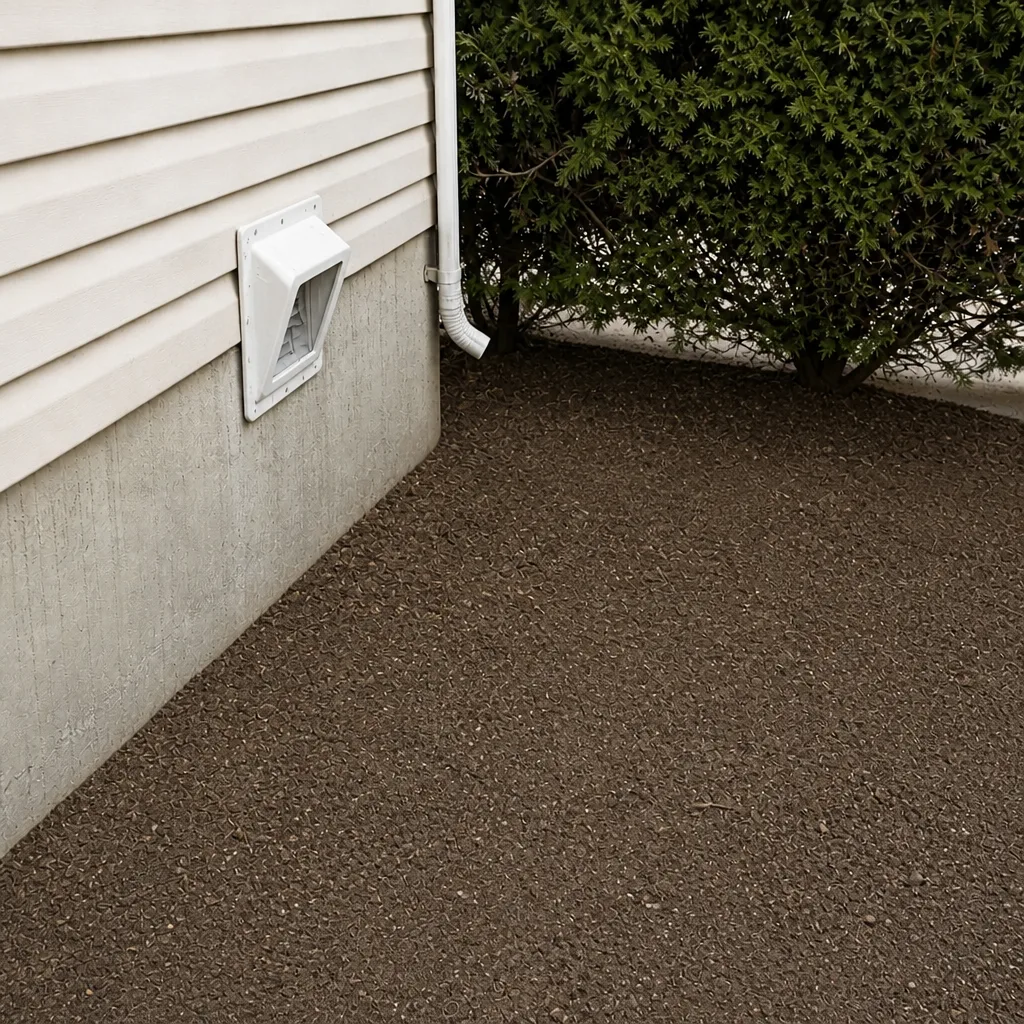
Whole-system duct and dryer vent check with before-and-after photos - you see exactly what came out of your vents
That "$99 whole-house special" is a bait ad - the real number appears once they are in your hallway, or the "clean" is a shop-vac at the register. We photograph the inside of your ducts before and after instead.
The Complete Guide to Air Duct Cleaning in Provo
Most homeowners assume duct cleaning is the same job everywhere: a truck, a hose, an hour of vacuuming, done. In Provo that assumption breaks down quickly. The valley traps air during winter inversions, the water is hard enough to leave mineral scale inside humidifier-connected ductwork, and the housing stock is a patchwork of older sheet metal systems and flex duct from the 1990s and 2000s that each demand a different cleaning method. This guide treats your ductwork as a local engineering problem rather than a universal task, so you can judge what a contractor is actually doing, read an inspection report, and know what a legitimate job should include.
Quick Answer
Air duct cleaning in Provo means removing accumulated dust, pollen, pet dander and winter inversion particulate from the entire duct system using contractor-grade agitation and negative-pressure extraction, then documenting what was removed. Because Provo’s climate loads ducts with fine particles and hard-water mineral residue, the work only holds up when the method matches the duct material and the system is sealed and under negative pressure during cleaning. A whole-system job with before-and-after documentation is the standard to hold any contractor to.
Styles & brands we work with
- Whole-home duct cleaning
- Dryer vent cleaning
- Camera inspection
- Sanitizing & deodorizing
Table of Contents
- Why Provo Ducts Are Different From What National Guides Describe
- How Inversion Season Loads Provo Ductwork
- Hard Water, Humidifiers, and Mineral Residue in Provo Homes
- What Negative Pressure Cleaning Actually Means
- Matching the Method to Provo Duct Materials
- How to Read a Post-Cleaning Inspection Report
- When the Problem Is Duct Repair, Not Cleaning
- Dryer Vents and Fire Safety in Provo Homes
Why Provo Ducts Are Different From What National Guides Describe
National duct cleaning guides are written for an average American house in an average American climate. Provo isn’t average on either count. The city sits in a valley with mountains on both sides that hold air in place, and that geography changes what ends up in your ductwork and how stubbornly it clings. A homeowner following generic advice will hire for the wrong job.
Three local factors shape duct contamination in Provo:
- Valley geography. The surrounding mountains trap air, so particulate from wood smoke, vehicle exhaust, and construction dust lingers instead of dispersing. Your ducts act as a settlement zone for that material.
- Seasonal loading. The heaviest accumulation happens in the cold months when windows are shut and the furnace or heat pump runs continuously, pushing air through the same channels hundreds of times.
- Hard water and whole-home humidification. Provo’s water carries dissolved calcium and magnesium. Homes with humidifiers connected to the duct system can leave mineral dust behind as water evaporates, and that residue behaves differently from ordinary household dust.
Add a housing stock that ranges from mid-century sheet metal systems to newer flex duct builds, and the takeaway is simple: a cleaning plan that ignores Provo’s climate and construction history will miss the material that matters most. We approach air duct cleaning in this city as a material-by-material, season-by-season job for exactly that reason.
How Inversion Season Loads Provo Ductwork
During a winter inversion, a layer of warmer air settles over the valley and traps colder air, along with everything suspended in it, near the ground. Fine particulate builds up in that trapped layer for days or weeks until weather finally clears it. Because homes are sealed and heating systems are running hard during those stretches, the ductwork becomes the collection point for that fine material.
This matters because the particles are small. Fine particulate behaves more like a stain than like sand. It settles into the seams, the interior texture of flex duct, and the surfaces just past the registers where airflow slows. A shop-style vacuum can lift what’s loose on the bottom of a run, but it doesn’t dislodge material that’s adhered to the wall of the duct.
Here’s what a thorough cleaning during or after inversion season should include:
- Agitation first. Contact cleaning tools physically brush or whip the interior surfaces to break adhered particulate loose before extraction. This is the step discount operators skip.
- Simultaneous extraction. The dislodged material has to be captured at the same moment it’s freed, while the system is under negative pressure, so it doesn’t redeposit downstream.
- Source capture at the registers. Every supply and return opening needs attention, not just the main trunk line.
- Verification. A before-and-after visual record of the same runs, plus a report of what was extracted.
Our technicians use Rotobrush contact-cleaning systems and Nikro professional equipment because that combination agitates and extracts in one pass. Portable consumer vacuums simply aren’t built for this. If your home runs its furnace all winter in Provo, inversion-season cleaning is worth scheduling before the next heating season, not after.
Hard Water, Humidifiers, and Mineral Residue in Provo Homes
Many Provo homes use whole-home humidifiers tied into the duct system to counteract the dry air that comes with the climate. That’s a sensible choice for comfort and for the building itself. But humidifiers connected to hard water introduce a cleaning problem most guides never mention.
When water evaporates from a humidifier pad, the calcium and magnesium dissolved in it stay behind as a fine mineral dust. Some of that dust rides the airstream into the ductwork. It doesn’t behave like ordinary organic dust. Mineral particulate is abrasive, it clings differently, and it can accumulate on humidifier components and nearby duct surfaces. Over time the residue restricts airflow and gives ordinary dust something to stick to.
If your home has a humidifier mounted on the duct system, cleaning needs to account for it. We service systems fitted with Honeywell and Aprilaire whole-home air quality components, which means we understand how the humidifier, the bypass ductwork, and the main runs interact. Cleaning around an integrated IAQ system without understanding it is how people end up with a humidifier that never worked right again.
What to check:
- Is your humidifier connected to the duct system or standalone? The answer changes the cleaning plan.
- When was the humidifier pad or water panel last replaced? Mineral scale builds on the pad first.
- Is there visible whitish dust around the humidifier housing or the nearest register?
- Does any run downstream of the humidifier show reduced airflow?
None of this is a reason to remove a humidifier. It’s a reason to clean with the system in mind, and to have the humidifier serviced alongside the ducts.
What Negative Pressure Cleaning Actually Means
“Negative pressure cleaning” is a phrase thrown around loosely, so it’s worth understanding what it means mechanically. When a duct system is under negative pressure, the air pressure inside the ducts is lower than the pressure in the room around them. Air wants to flow from the room into the ducts, not the other way around. That’s the point.
In practice, a high-powered vacuum connects to the system, often at the main trunk or a large return, and pulls air through the ducts while the interior surfaces are being agitated. Because the pressure gradient runs inward, dust and debris that gets stirred up moves toward the collection point instead of blowing out through registers into the rooms where your family is sitting. Sealing other openings with the system running maximizes that effect.
This matters more than it used to in Provo. Newer homes are built tighter than older ones. Windows and doors seal well, and the building envelope holds air more effectively. When a house is tightly sealed, contamination that escapes into the living space during cleaning lingers longer, because there’s less natural air exchange to clear it. In a leaky older home, some of that escaped dust finds its way out. In a sealed newer build, it stays put.
For homes with real air quality concerns, and especially for renovation jobs where drywall dust or construction debris got introduced to the system, we bring Abatement Technologies negative-air and containment tools. These are the same tools remediation contractors use to keep contamination from spreading through a building. Most residential duct cleaners don’t carry that capability. The difference is measurable in the air you breathe after the work is done.
Matching the Method to Provo Duct Materials
Provo’s housing stock spans several decades and several very different duct materials. A cleaning method that works beautifully in one home can damage the ducts in the house next door. This is one of the biggest reasons a legitimate contractor inspects before choosing a technique.
- Sheet metal ductwork. Common in older Provo homes, particularly in neighborhoods with mid-century construction. Rigid metal ducts tolerate more aggressive agitation and can be cleaned thoroughly with rotating brush tools. They’re also more likely to have seams and joints worth inspecting for leaks.
- Flex duct. Standard in the 1990s and 2000s builds that make up a large share of Provo’s newer neighborhoods. Flexible, corrugated plastic-and-wire construction traps particulate in the ridges. Cleaning requires gentler tools because aggressive brushing can tear the liner. Once the liner is compromised, the duct should be replaced, not cleaned.
- Hybrid systems. Many homes use rigid metal for the main trunk and flex for branch runs. Cleaning has to switch methods at the transitions.
How a proper job handles this:
- Inspect before cleaning. A camera or visual inspection identifies material type, condition, and any existing damage in every run.
- Match the tool to the material. Rotating brushes for sheet metal, softer agitation for flex with intact liner.
- Stop and report damage. If the liner in a flex run is torn or detached, cleaning is the wrong call until the run is repaired.
- Seal and verify. After cleaning, check joints and connections in sheet metal runs, since leaks undermine everything else.
If a contractor quotes a price and cleans before looking, that’s a sign the method isn’t going to be matched to your system. Air duct repair is a separate service from cleaning for a reason, and it’s work we handle directly. The Duct Cleaning Provo approach starts with the inspection so cleaning and repair stay in the right order.
How to Read a Post-Cleaning Inspection Report
The single most useful protection against bait-and-switch is documentation. A legitimate duct cleaning produces a record you can look at, and the quality of that record tells you a lot about the quality of the work. Here’s what to look for, and what to be suspicious of.
A proper post-cleaning record should include:
- Before-and-after photos of your specific ducts. Not stock images. The same runs, photographed before the work and after, at comparable angles. If you can’t tell which duct in the after photo is the same duct in the before photo, the documentation isn’t doing its job.
- An inventory of what was cleaned. Every supply register, every return, the main trunk, and any branch runs. A report that doesn’t list them individually is a summary of a guess.
- Notes on duct material and condition. Which runs are sheet metal and which are flex, and whether any run showed damage that prevented full cleaning.
- Any components serviced or inspected. If your system has a Honeywell or Aprilaire component, or a humidifier tied to the ductwork, note what was done.
- A clear statement of extraction. What was removed and how. A report says “negative pressure extraction with contact agitation,” not “cleaned.”
Red flags include a report that consists solely of a receipt, a claim that photos “aren’t available,” or a job completed in a fraction of the time a full-system clean takes. If you’re unsure what the report should contain, ask before you hire, not after. The answer itself tells you what the technician expects to produce.
When the Problem Is Duct Repair, Not Cleaning
Sometimes the air quality problem in a Provo home isn’t dirt. It’s a duct system that’s lost its integrity. Cleaning a system with disconnected runs, crushed flex, or unsealed joints doesn’t fix anything, because the clean air goes into the crawlspace or attic as easily as into the room.
The warning signs of a duct problem that cleaning alone won’t solve:
- Rooms that never heat or cool as well as the rest of the house, despite a healthy HVAC system.
- Visible dust streaks around register edges, or dust settling quickly after a cleaning.
- Flex duct work at the connections that has separated or fallen sagging.
- Higher energy use with no other explanation.
- Disconnected, crushed, or torn duct runs found during a cleaning inspection.
When we find those problems, we tell you before cleaning, not after. Air duct repair is a distinct service we offer specifically because masking a structural problem by cleaning around it wastes your money and returns the contamination within months. The right sequence is repair first, then clean, then verify with documentation. In a shared system like a Provo home’s ductwork, doing it in the wrong order is how homeowners end up paying twice.
Dryer Vents and Fire Safety in Provo Homes
The duct system most likely to cause a real problem in your home isn’t the one behind the registers. It’s the one behind the dryer. Lint is highly flammable, and a clogged dryer vent is a documented fire hazard. The National Fire Protection Association links dryer vent cleaning directly to reduced home fire risk, which is why we treat it as a safety service rather than an optional add-on.
Signs your dryer vent needs attention:
- Clothes take longer than one cycle to dry.
- The dryer feels hot to the touch during or after a cycle.
- The outdoor vent flap doesn’t open fully or doesn’t move at all.
- Lint accumulates inside the dryer door or behind the appliance more than usual.
We handle dryer vent cleaning as one of our core services so a single provider can address the whole ventilation picture in a Provo home. If your ducts need cleaning and the dryer vent needs clearing, having both done by one team keeps the process coordinated and the documentation consistent.
Common Mistakes to Avoid
- Hiring on price alone. A low advertised number is a hook, and once the technician is on site the “extras” get quoted. Ask what a full-system job includes before you compare numbers, so you’re comparing the same scope.
- Accepting a cleaning without an inspection. Cleaning before anyone has looked at your duct material is a recipe for damaged flex liner. In Provo’s mixed housing stock, this matters more than in a market with uniform construction.
- Skipping documentation. If the contractor doesn’t photograph your ducts before and after and give you a written report of what was cleaned, you can’t know what happened. Ask for photos of your specific runs.
- Cleaning a system with structural problems. Disconnected or crushed runs should be repaired before cleaning. Cleaning first wastes money and lets contamination return quickly.
- Ignoring the humidifier. In Provo homes with hard-water humidifiers tied to the duct system, cleaning without addressing mineral residue leaves the root problem in place.
- Waiting for the cleaning to become urgent. Inversion season loads the duct system with fine particulate. Cleaning before heating season and handling the seasonal accumulation is far more effective than reacting after the fact.
- Overlooking the dryer vent. Many homeowners focus entirely on the HVAC ducts and leave a genuine fire risk untouched behind the dryer.
See the difference
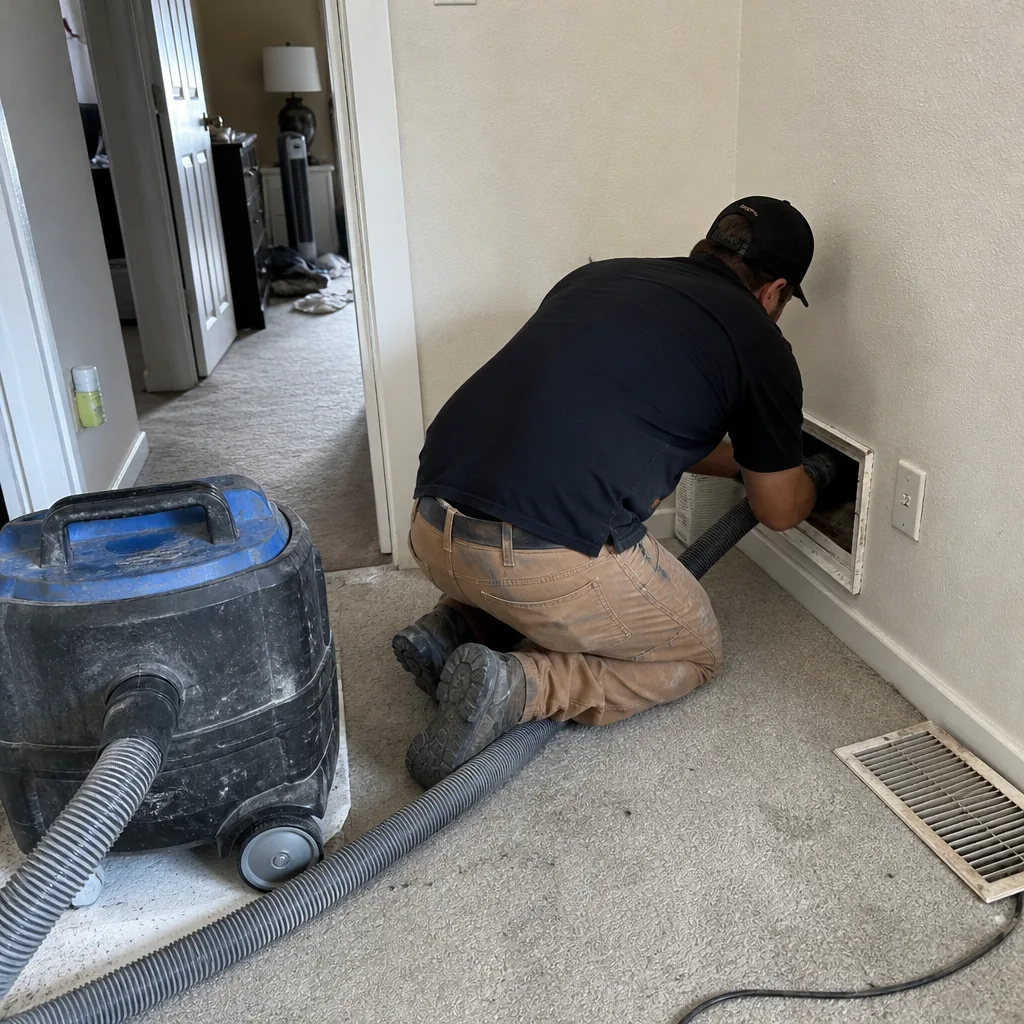 Before
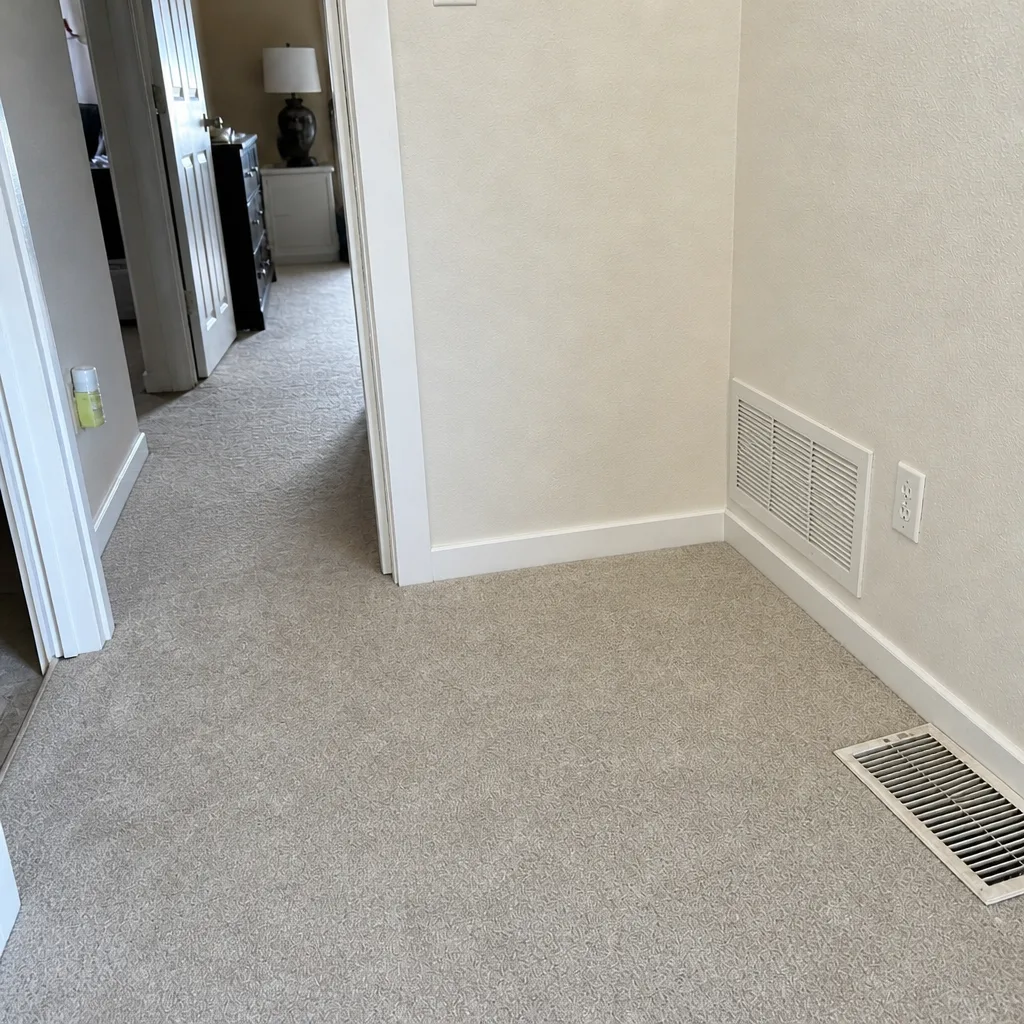 After
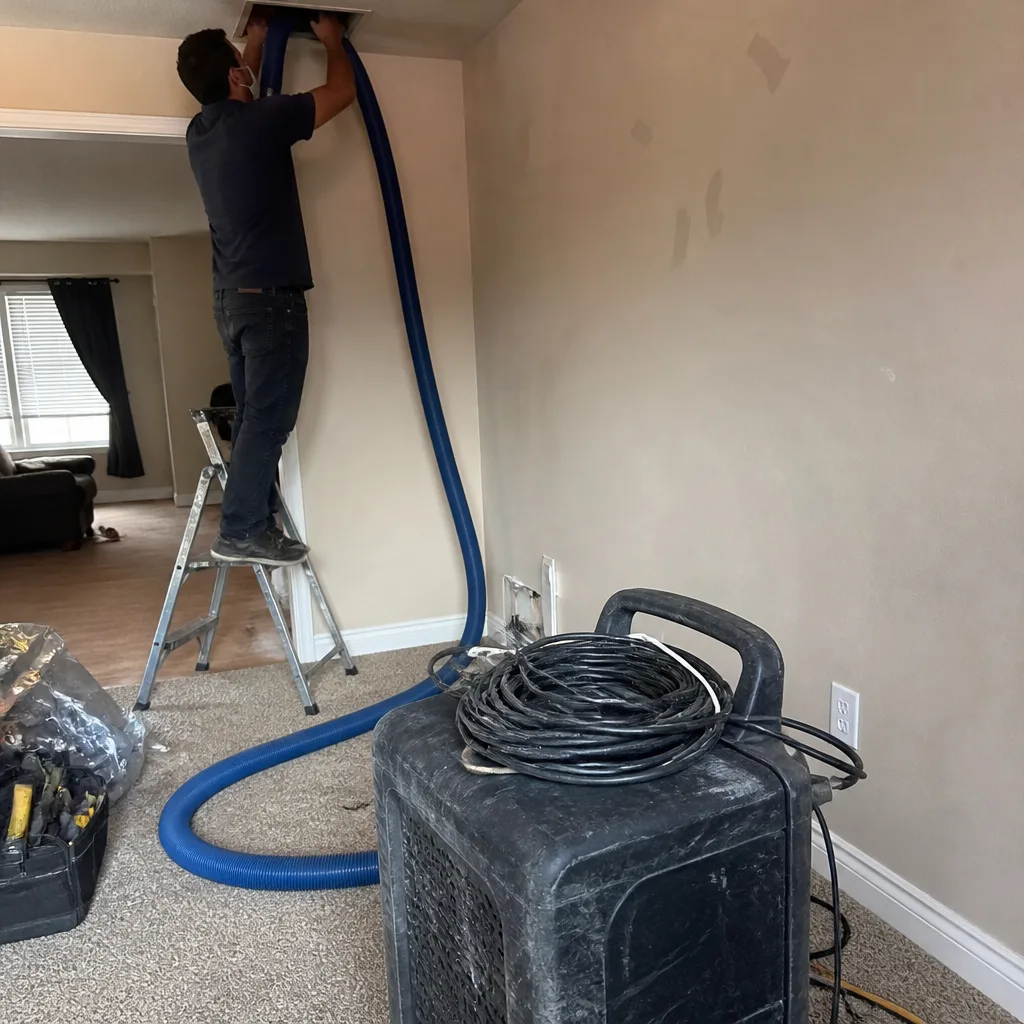 Before
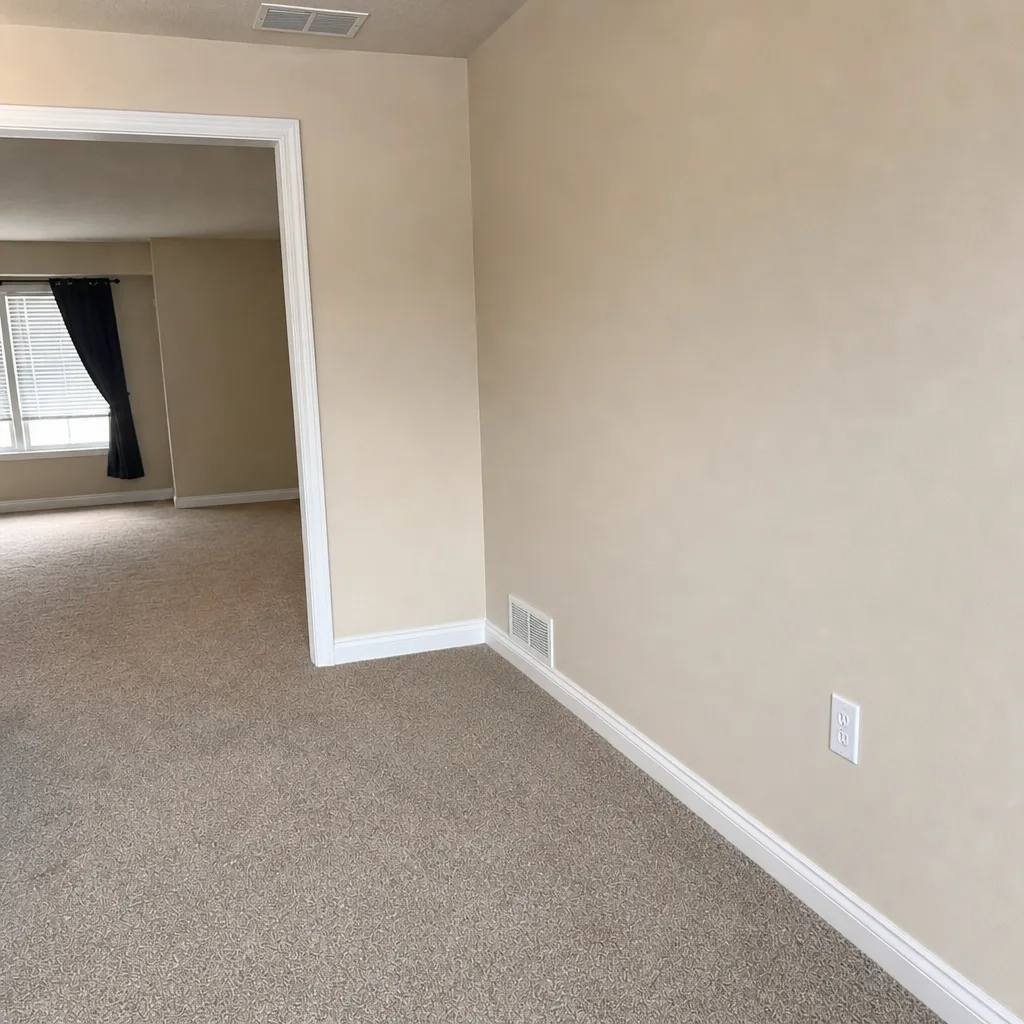 After
 Before
 After
When to Call a Professional
Some duct and vent work is a homeowner-level maintenance task. Most isn’t. If you’ve just purchased a home, completed a renovation that generated drywall dust and debris, or moved into a house where the previous occupant’s cleaning history is unknown, a full-system cleaning with documentation is worth scheduling. Homes with allergy sufferers, young children, or older adults benefit from knowing exactly what’s in the ducts and what was removed. If you notice a persistent dusty smell from the registers, dust settling on surfaces within days of cleaning, or rooms that don’t heat or cool evenly, that points toward a duct integrity problem that needs a professional inspection before anything else. Duct Cleaning Provo offers free estimates in Provo. Call (877) 798-7857. We answer 24/7, with fast dispatch from 7am to 7pm, Sunday through Friday. Every job is quoted as one flat price per system, agreed before work starts, with before-and-after photos of your own ducts included. Our technicians have up to experience.
Frequently Asked Questions
A whole-system cleaning in Provo typically runs in a broad range depending on the size of the home, the number of registers and returns, and whether the system is sheet metal or flex duct. The final price is set by a written estimate before work begins, and it’s quoted as one flat price per system rather than per vent. Be cautious of a very low advertised price, because it’s usually a hook for add-ons once the technician is on site. Call (877) 798-7857 for an exact quote; estimates are free.
Cheap quotes usually reflect a smaller scope, less capable equipment, or both. A portable vacuum without contact agitation doesn’t remove adhered inversion-season particulate or mineral residue from hard-water humidifiers, so it produces a quick result that doesn’t hold. Ask what equipment a contractor uses and whether negative pressure containment is part of the plan. If the answer is vague, the price is telling you something. Call (877) 798-7857 to talk through what a real full-system job includes.
You know because you have before-and-after photos of your own duct runs and a written report of what was cleaned and how. A legitimate job produces documentation you can inspect at your pace, not a verbal assurance. If the photos could have come from any home, or the report is just a receipt, ask for proper documentation. Call (877) 798-7857 to discuss what documentation a full job with Duct Cleaning Provo includes.
For most Provo homes, cleaning every few years is reasonable, but the local climate shortens the interval. Inversion season loads the duct system with fine particulate that accumulates faster than the national average, and homes with hard-water humidifiers collect mineral residue on top of ordinary dust. Homes with allergy sufferers, pets, or recent renovation work need it sooner. Call (877) 798-7857 for a free estimate and a recommendation specific to your home.
Cleaning removes the accumulated fine particulate that inversion season deposits in your ductwork, which reduces how much of it recirculates through your home when the heating system runs. It doesn’t filter the outdoor air, so it works best alongside a quality filter and regular filter changes. If your ducts haven’t been cleaned in years and you run the furnace all winter, cleaning is a sensible step. Call (877) 798-7857 to book an inspection and estimate.
Yes. We offer air duct cleaning, dryer vent cleaning, and air duct repair as three core services from a single provider, so a Provo home with both structural duct problems and contamination doesn’t need two contractors. We inspect first to determine whether the system needs cleaning, repair, or both, and in what order. Call (877) 798-7857 for a free estimate and we’ll tell you what we see.
The Bottom Line
Duct cleaning in Provo isn’t the universal task national guides describe. Inversion season loads the ducts with fine particulate that requires real agitation and extraction to remove. Hard water and whole-home humidifiers leave mineral residue that ordinary cleaning misses. The housing stock mixes old sheet metal with newer flex duct, and the method has to match. Insist on an inspection before cleaning, documentation after, and negative pressure containment for homes with genuine air quality concerns. Hold the contractor to a flat price per system agreed before work starts, and ask for before-and-after photos of your own ducts.
Written by the team at Duct Cleaning Provo.