
Last updated November 16, 2026
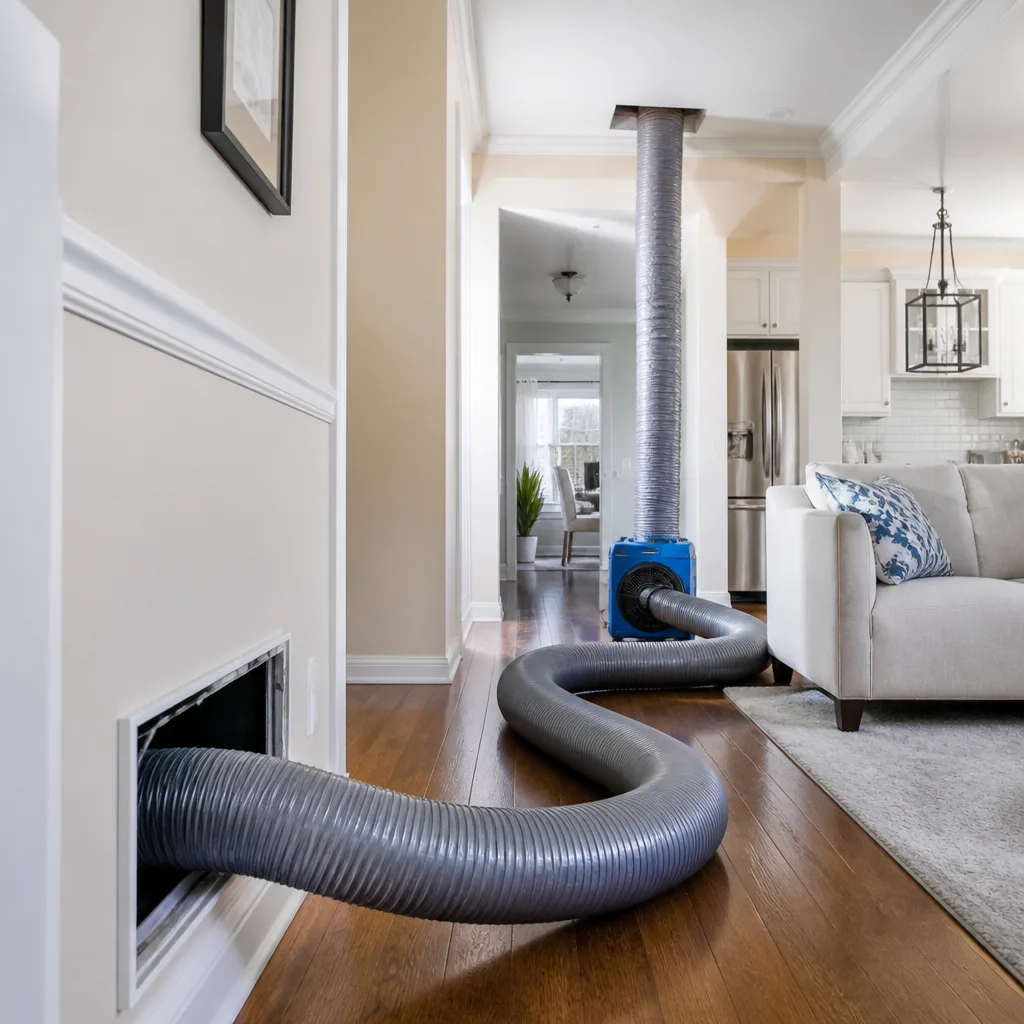 Whole-home duct cleaning
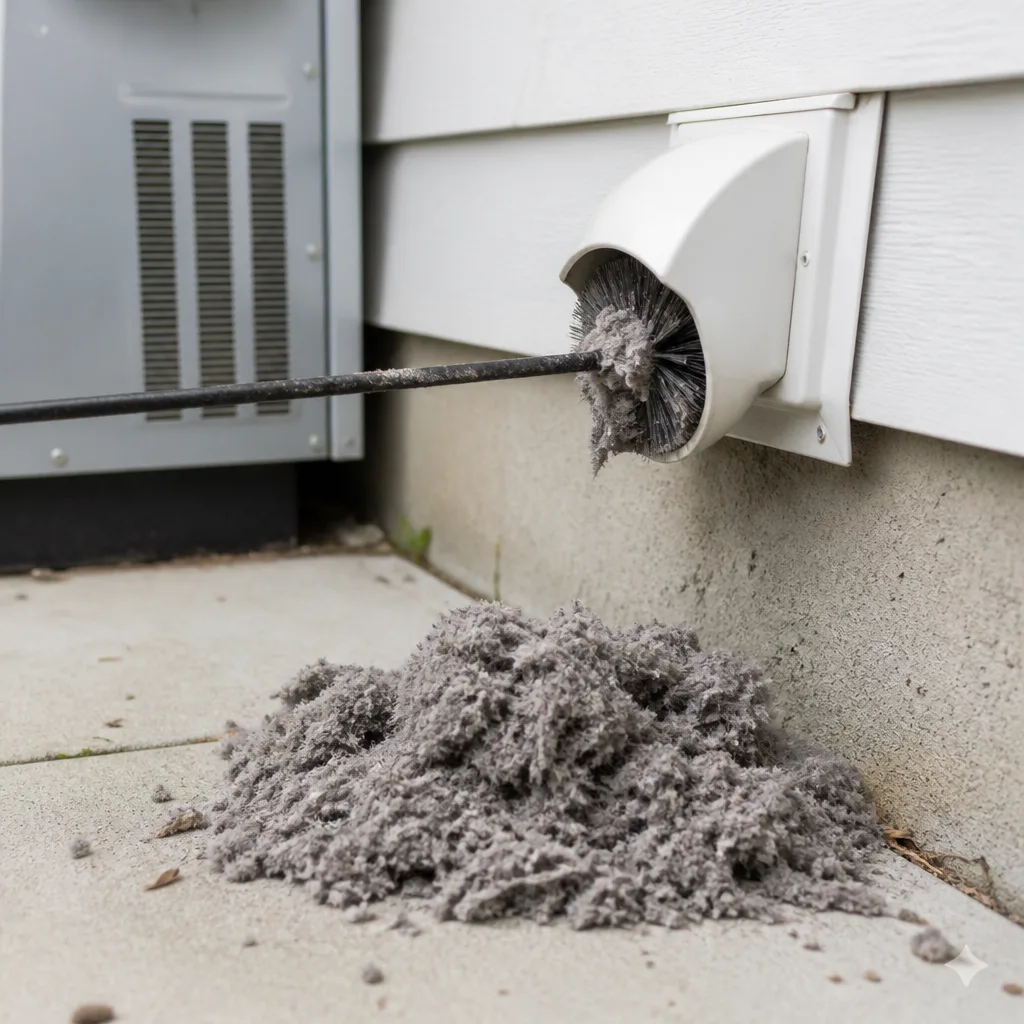 Dryer vent cleaning
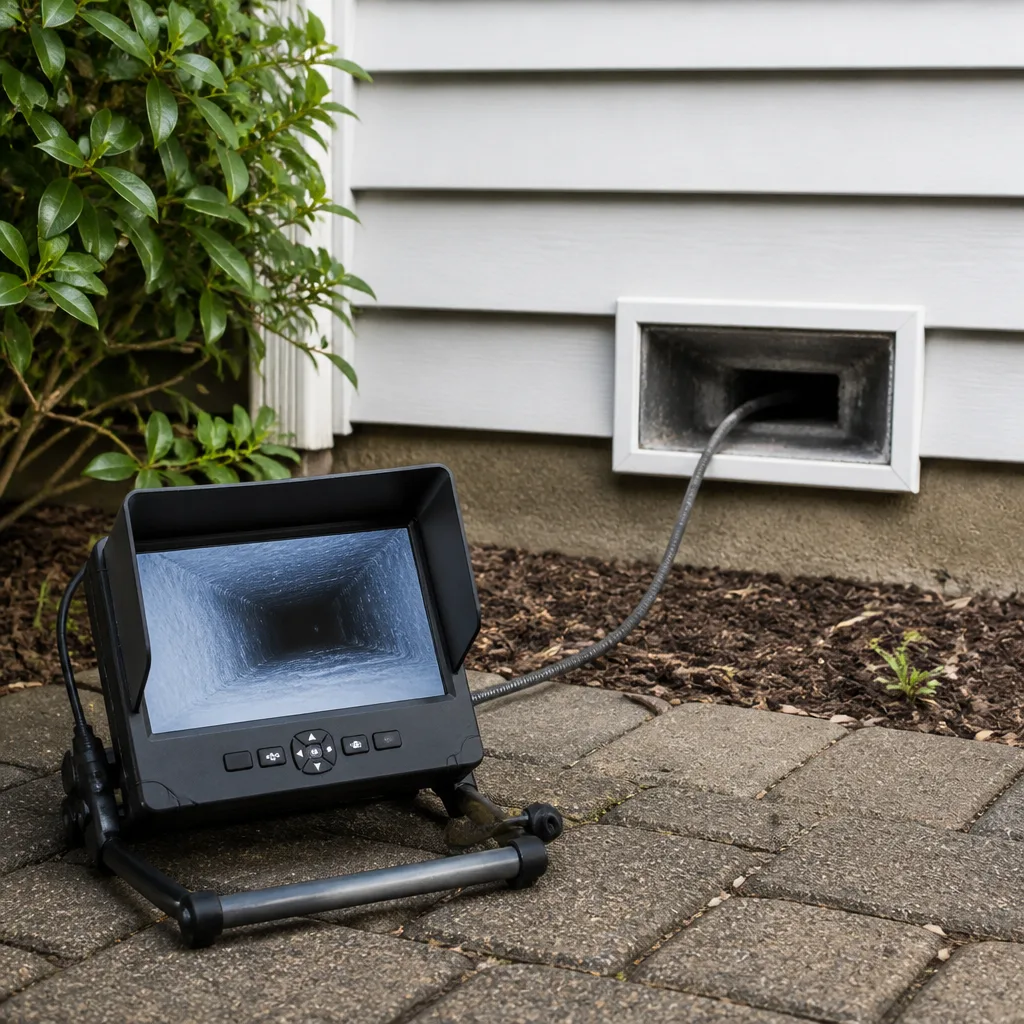 Camera inspection
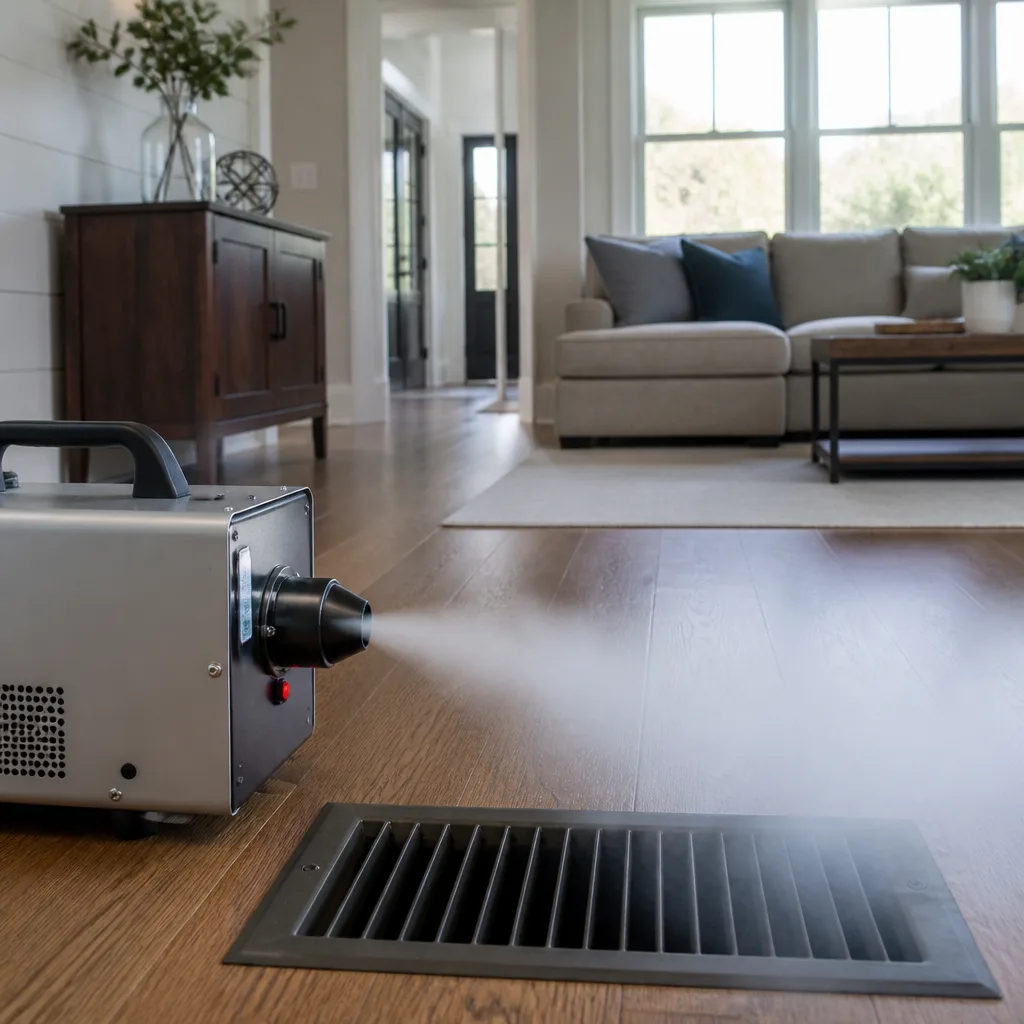 Sanitizing & deodorizing
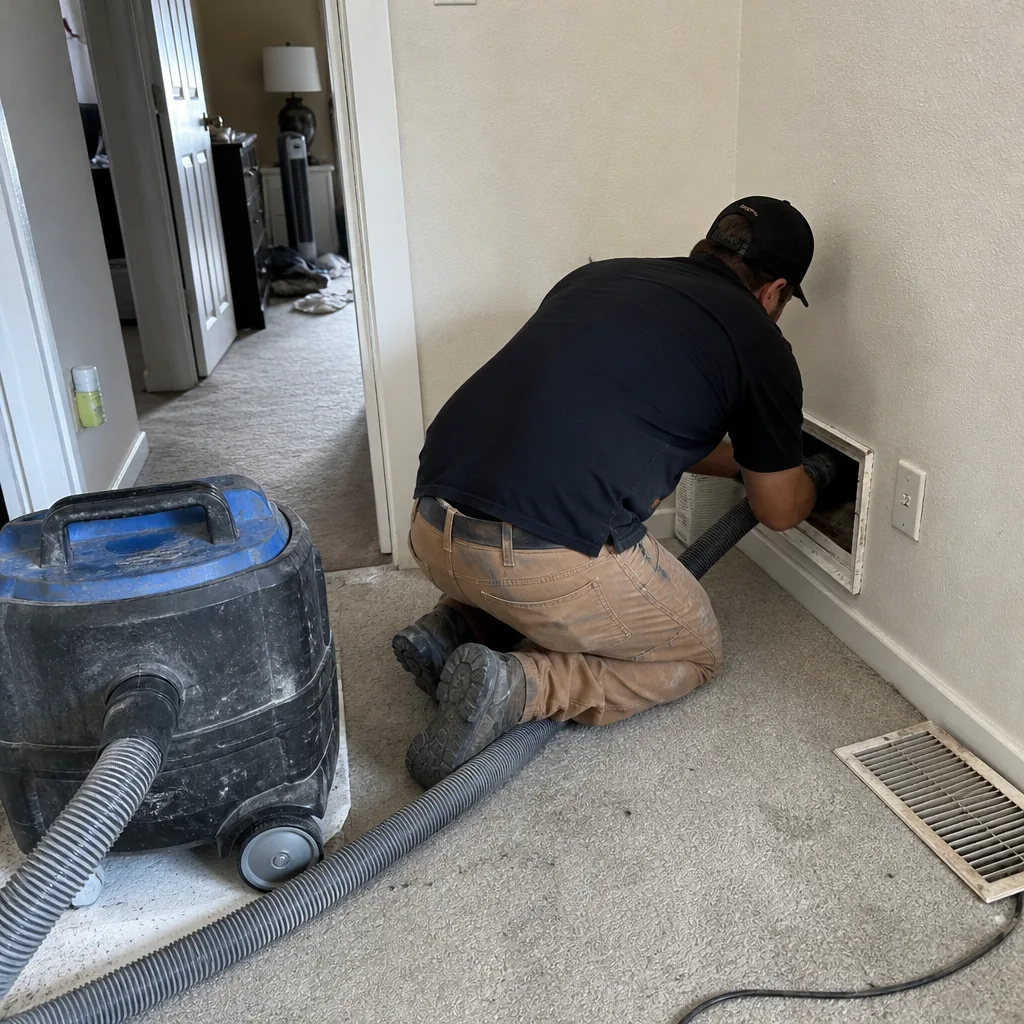
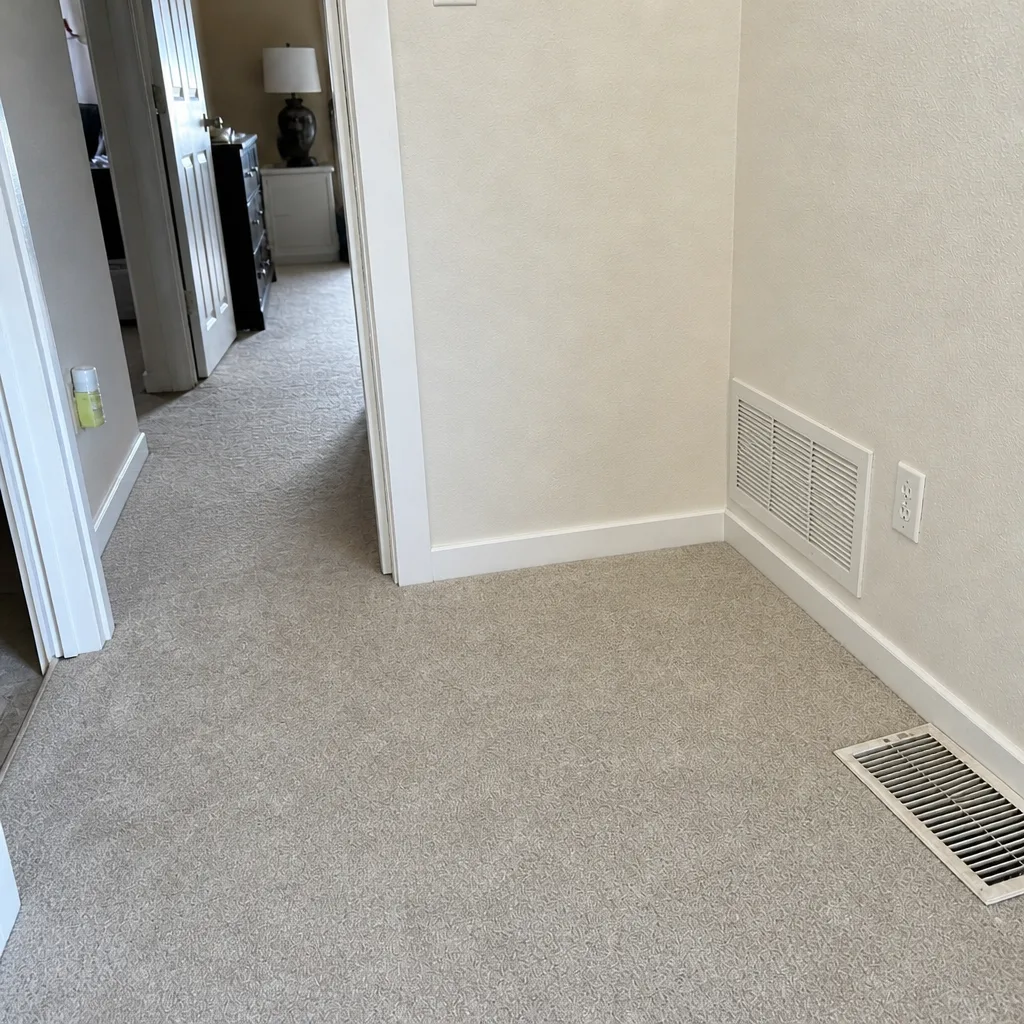
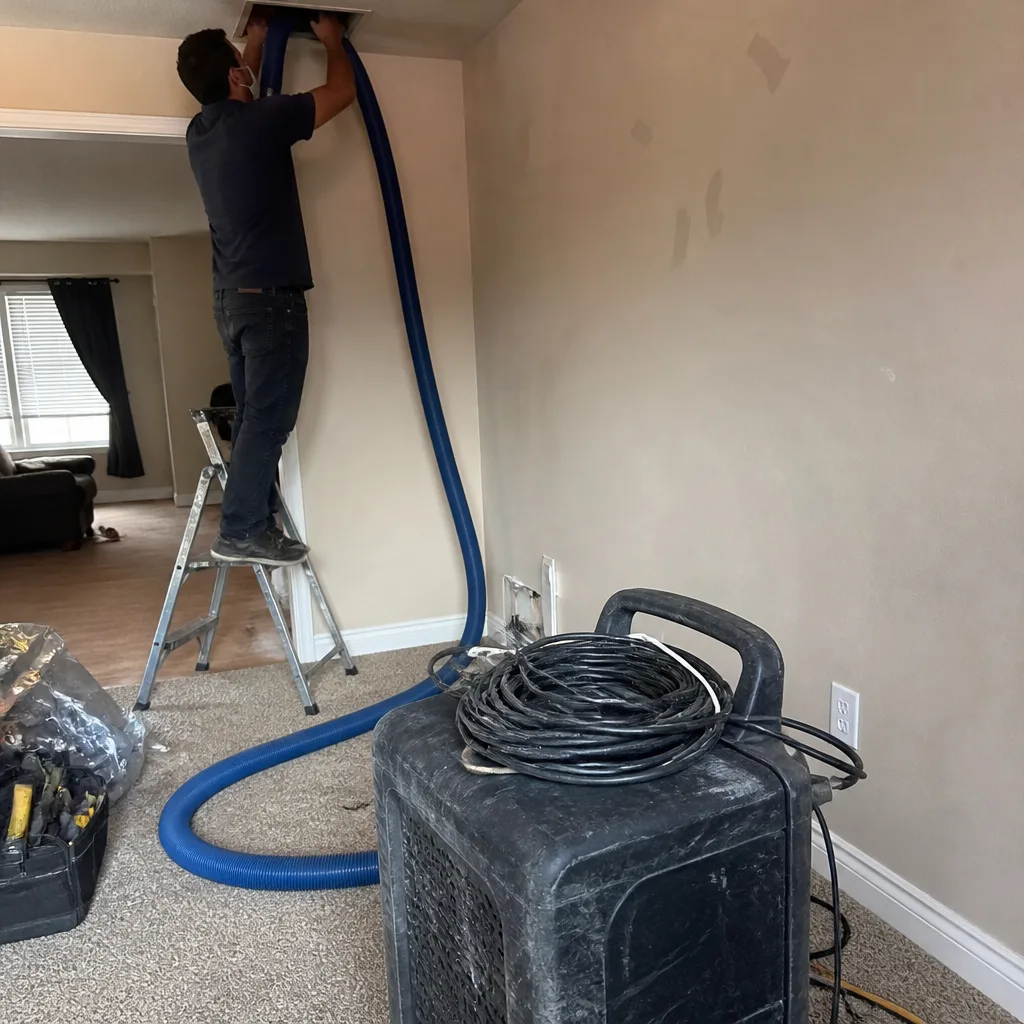
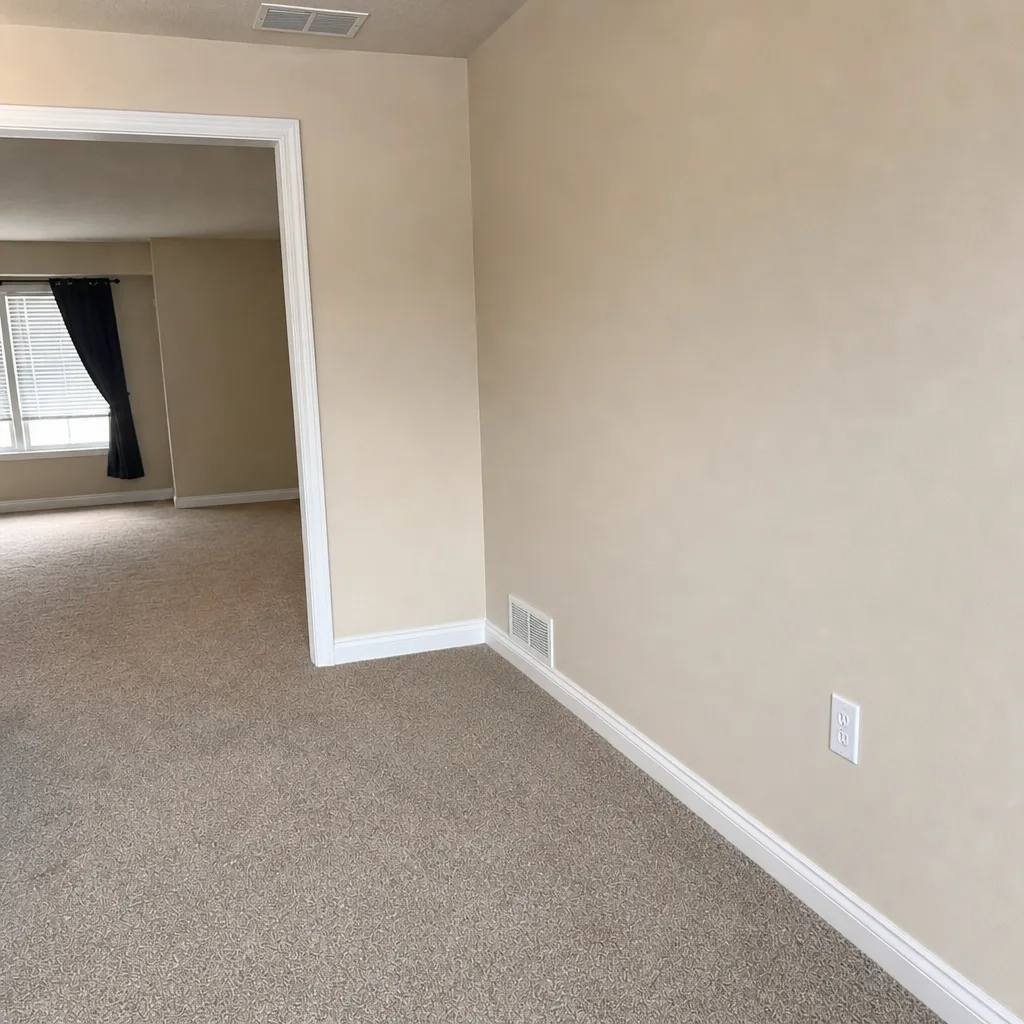
Whole-system duct and dryer vent check with before-and-after photos - you see exactly what came out of your vents
That "$99 whole-house special" is a bait ad - the real number appears once they are in your hallway, or the "clean" is a shop-vac at the register. We photograph the inside of your ducts before and after instead.
DIY vs Professional Air Duct Cleaning: The Provo Homeowner’s Decision Guide
Most DIY duct cleaning advice starts with the vacuum. That’s the wrong end of the problem. A household vacuum can pull dust off a register cover and maybe a foot or two of visible duct, but it cannot move the volume of air through a trunk line that runs 30 or 40 feet through a Provo basement or crawl space. What you clean is the part you can see. What you leave is nearly everything else. This guide explains why that gap exists, which DIY tasks are actually worth doing, when a professional job is non-negotiable, and how to tell the difference before you spend a weekend on the wrong end of a hose.
Quick Answer
DIY duct cleaning handles surface dust at registers and covers; professional cleaning uses negative-air machines and contact agitation tools to reach the trunk lines and branch runs that household equipment cannot pressurize. For a Provo home with allergy sufferers, recent renovation dust, or any sign of mold or moisture inside the system, professional cleaning is the right call. For routine maintenance on a clean system, targeted DIY tasks around the registers are reasonable between professional visits.
Styles & brands we work with
- Whole-home duct cleaning
- Dryer vent cleaning
- Camera inspection
- Sanitizing & deodorizing
Table of Contents
- Why Consumer Vacuums Can’t Clean Duct Trunk Lines
- The DIY Tasks That Actually Work
- Where DIY Creates False Confidence
- What Goes Wrong When Homeowners Access Duct Interiors
- When Professional Cleaning Is Non-Negotiable
- What Professional Equipment Actually Does Differently
- Provo-Specific Factors That Affect the Decision
- DIY Cost vs Professional Cost: The Real Math
Why Consumer Vacuums Can’t Clean Duct Trunk Lines
Airflow is the whole story. A household vacuum moves somewhere in the range of 100 to 200 cubic feet per minute (CFM) through a hose that’s typically under two inches wide. A residential duct trunk line might carry 800 to 1,200 CFM during normal HVAC operation. The vacuum that cleans your floor cannot generate enough static pressure inside a 10-inch or 14-inch round duct to lift settled debris and carry it to a collection point.
Think about what’s actually happening inside a duct system. Debris settles along the bottom of horizontal runs, collects at elbows and transitions, and builds up at the return plenum where every room’s air converges. To move that material you need two things: enough negative pressure to lift it, and enough air velocity inside the duct to carry it. A household vacuum delivers neither at duct scale.
Professional equipment is built around this constraint. Rotobrush contact-cleaning systems use a rotating brush head driven through the duct on a flexible shaft, agitating debris while a high-CFM vacuum pulls it out. Nikro extraction units generate the negative pressure needed to keep the whole system under vacuum while that agitation is happening. The machine doesn’t just suck harder – it changes the pressure relationship inside the entire duct network for the duration of the job.
Here’s the specific gap in practical terms: a standard shop vac pulling on a single register might reach 3 or 4 feet into a branch run before airflow drops to the point where it can’t lift debris anymore. Most Provo homes have branch runs 10 to 20 feet long and trunk lines that stretch much farther. That’s the math that doesn’t work. You cover the visible fraction and leave the rest.
- Household vacuum CFM: roughly 100 – 200 CFM at the hose, dropping fast with distance.
- Whole-home duct system: carries 800 – 1,200 CFM in normal operation; trunk runs can exceed 40 feet in larger homes.
- Professional negative-air setup: pressurizes the entire system under vacuum while contact tools agitate debris along every run.
The DIY Tasks That Actually Work
None of this means every DIY effort is wasted. Several tasks around the register are genuinely useful, low-risk, and worth doing on your own between professional cleanings. Register covers collect dust continuously and clean up easily. Filter changes matter more than most homeowners realize, and they’re the single highest-impact DIY airflow task in any system.
- Remove and wash register covers. Take them off, soak them in warm soapy water, dry them fully, and reinstall. This removes visible dust that would otherwise re-enter the airstream.
- Wipe the register boot and the first few inches of visible duct with a damp cloth. Don’t push anything into the duct – just clean what you can reach without force.
- Replace HVAC filters on schedule. A clogged filter is the most common cause of restricted airflow and unnecessary dust in a home. Match the filter to the system’s rated MERV level – going too high on a system not designed for it can cause its own problems.
- Visually inspect the dryer vent for lint accumulation at the exterior termination. Remove visible lint from the exterior flap and the first accessible section of the vent run.
- Vacuum around supply and return grilles with a brush attachment. This keeps dust from being drawn back in when the system runs.
Post-renovation is a special case worth mentioning. After drywall work, sanding, or flooring installation, fine dust settles across registers and floors. Vacuuming surfaces before you schedule professional extraction is a reasonable interim step – it keeps dust from being pulled deeper into the system while you wait for the appointment. What it doesn’t do is clean the duct interiors that already collected the finer particles.
If your dryer vent run is long, has multiple elbows, or terminates on a roof, that’s a job for professional dryer vent cleaning. Lint accumulation in a long or restricted vent run is a real fire risk the NFPA links directly to reduced home fire risk, and household equipment can’t reach it.
Where DIY Creates False Confidence
The riskiest outcome of DIY duct cleaning isn’t a mess. It’s the assumption that clean-looking registers mean the system is clean. In our experience, that gap between what a homeowner sees and what’s actually in the ducts is where the real problem stays hidden.
Dust in the ducts often darkens the register cover slowly, and by the time it’s visible the accumulation in the trunk line and return plenum has been building for a long stretch. Cleaning the cover resolves the appearance issue without addressing the source. The system still has settled debris along the horizontal runs, still has contamination at elbows, and still has whatever is contributing to the buildup inside so it returns.
A few specific cases where surface cleaning gives the wrong signal:
- Mold odor. If you smell a musty odor when the system runs, surface cleaning won’t address the biological growth inside the ducts. Mold inside a duct system requires containment – negative-air setup and proper remediation protocols – not a shop vac.
- Recent water intrusion or flooding. Water in the duct system is a contamination event, not a cleaning task. It needs professional assessment and remediation-grade equipment.
- Older homes with flex duct. Flex duct interior surfaces trap debris differently than rigid metal, and DIY brushing or pressure can displace the inner liner without visibly damaging the exterior.
- Pest activity inside the duct system. Rodent or insect activity inside a duct system leaves contamination that needs remediation-grade handling, not surface cleaning.
- Newer homes with tight building envelopes. A well-sealed home in Provo recirculates air more than older leaky homes, so duct contamination has a larger effect on indoor air quality because less fresh air gets in through unintended gaps.
The pattern here is that visible cleanliness and actual cleanliness aren’t the same thing, and the cases where the difference matters most are exactly the cases where you can’t see inside the duct to know.
What Goes Wrong When Homeowners Access Duct Internals
Duct systems are not built for homeowner access. They’re built for airflow, and the materials vary widely. Rigid galvanized sheet metal, flex duct with an inner liner, duct board with a foil facing, and insulated flexible runs all require different handling. Attempting to reach inside without knowing which material you’re dealing with is where things go wrong.
- Flex duct punctures. A flex duct’s inner liner is thin and easy to tear. A shop vac nozzle, a brush, or anything pushed into it can puncture or tear the liner. Once torn, the duct loses pressure and air volume – and the fix requires replacement, not cleaning.
- Insulation displacement. Insulated ducts have a layer of insulation around the actual airway. Pushing a brush or hose through the wrong way displaces insulation, creates a gap, and introduces condensation risk at that spot.
- Joint separation. Duct sections are joined with mastic, foil tape, and sometimes mechanical fasteners. Attempting to pry open a joint to reach inside can break a seal and introduce air loss that wasn’t there before.
- Duct board crushing. Duct board is rigid but not tough. It crushes under pressure, and crushed duct board is a replacement item, not a repair.
- Dislodged debris into the wrong zone. Pushing air or objects through a duct without a vacuum pulling from the far end can move debris into places you can’t reach, pushing the problem deeper into the system.
If the ducts need repair – loose joints, crushed sections, disconnected runs, or punctured flex duct – that’s a structural issue, not a cleaning issue. Duct Cleaning Provo offers air duct cleaning as one service and air duct repair as a separate one, because solving the source of air loss is different work from cleaning what’s inside. Attempting to fix duct structure yourself after a DIY cleaning fails is where minor projects become replacement projects.
When Professional Cleaning Is Non-Negotiable
Some situations leave no real choice. If any of the following are present, DIY cleaning is not an appropriate response, and the right move is to call for professional assessment.
- Persistent mold odor when the system runs. The smell is a signal, and mold inside a duct system needs negative-air containment – not a household vacuum.
- Post-flood or post-water-event. Any water intrusion into the duct system is a contamination event requiring remediation-grade equipment and assessment.
- A household member with asthma, severe allergies, or another respiratory condition. In this case, the standard of cleanliness needed is higher than surface dust removal, and the source of contamination needs to be addressed.
- Visible mold growth on or near registers. Visible mold at the register usually means something larger inside the duct or on the coil.
- Pest contamination. Rodent or insect activity inside a duct system leaves material that needs remediation, not surface cleaning.
- Recent major renovation with heavy drywall or demolition dust. Fine construction dust settles deep into the system and needs professional extraction, not just register cleaning.
- Newly purchased home with unknown service history. If you don’t know when the ducts were last cleaned or what happened in the home before you, a professional assessment gives you a baseline.
Beyond the non-negotiable list, professional cleaning is also a quality-of-life upgrade when the system has visible buildup, the home is older, or airflow feels uneven between rooms. Those aren’t emergencies, but they are signs the ducts are restricting performance. A free estimate can tell you whether cleaning, repair, or both is the right scope – and Duct Cleaning Provo services all of Provo without requiring you to guess what you need before you call.
What Professional Equipment Actually Does Differently
The difference between a household vacuum and professional equipment isn’t a bigger motor. The difference is being able to put the entire duct system under negative pressure at once while physically agitating the debris that’s settled along the interior surfaces.
Rotobrush contact-cleaning systems drive a rotating brush through the duct along a flexible shaft, so the mechanism reaches the interior walls of every accessible run. Nikro extraction equipment generates the high-CFM vacuum and negative pressure that keeps debris moving in one direction – out of the system and into a collection unit. The combination is what makes the difference: agitation lifts settled debris from the surface, and negative pressure prevents it from redistributing into the home.
Homes with integrated air quality systems add another layer. If a Provo home has a Honeywell or Aprilaire whole-home air quality component – media filters, UV systems, humidifiers, or bypass filtration – that equipment interacts directly with the duct system, and technicians need to understand how it’s installed before they can clean around it safely. Duct Cleaning Provo’s technicians are trained on those systems, so cleaning and inspection account for the components that a generic duct cleaning crew might not recognize.
For homes with confirmed contamination – mold, pest, or post-water event – Abatement Technologies negative-air equipment provides containment-grade capability. That’s the same standard used in professional remediation, and it prevents cross-contamination between the work area and the rest of the home. Most residential duct cleaning services don’t have that capability. Our technicians have up to experience with these systems, and the equipment choice reflects what actually works in contaminated systems, not what’s cheapest to operate.
Provo-Specific Factors That Affect the Decision
Provo’s climate and housing stock change the DIY vs professional calculation in specific ways. The dry summers mean fine dust from construction and dry soil enters the system easily, and wind-blown dust from the surrounding valley settles into return plenums faster than in wetter climates. The winter inversion season in the Utah Valley traps fine particulate matter at ground level, which means a home’s indoor air quality is directly affected by how well the duct system is functioning as a filter.
Snow melt and freeze-thaw cycles around foundations in older Provo neighborhoods can introduce moisture at duct penetrations, especially where return air ductwork runs through crawl spaces. That moisture doesn’t show up at the register, but it’s exactly the condition that creates mold growth inside a duct system. Homes near the Provo River corridor and in older neighborhoods with original basement duct runs are worth having assessed for exactly that reason.
Provo’s housing mix matters too. A significant share of the housing stock near downtown Provo and around the neighborhoods along Center Street dates to mid-century construction with rigid metal duct systems that have had decades to accumulate debris at every elbow. Newer construction along the eastern bench tends to use more flex duct and tight building envelopes, which changes both how contamination accumulates and how carefully cleaning needs to be done around that duct material.
In a valley where summer dust and winter inversion both press on indoor air quality, whether the duct system is actually clean matters in a way that doesn’t apply everywhere. That’s part of why the answer for most Provo households comes down to how long it’s been since a professional assessment, and how specific the concern is.
DIY Cost vs Professional Cost: The Real Math
The DIY cost comparison usually looks something like this: household vacuum (already owned), a brush attachment, a register wrench, maybe a shop vac if the household one has weak suction. Total cost is low. Professional cleaning has a real cost. The comparison matters only when you’re honest about what you’re buying in each case.
What DIY gets you is surface cleaning at registers and the first stretch of visible duct. What professional cleaning gets you is the whole system cleaned under negative pressure with contact agitation on every accessible run. The case where the DIY math makes sense is routine maintenance on a system already in good condition. The case where it doesn’t is any scenario where the system has contamination the register can’t reveal – and that’s most of the cases where duct cleaning would actually make a difference.
The second cost to account for is what happens after a DIY attempt that pushes debris deeper into the system or damages a flex liner. A puncture or displaced insulation turns a cleaning job into a repair job. Professional cleaning that’s done correctly the first time includes structural inspection – and if the ducts need repair after a cleaning, addressing it in the same visit is more efficient than a second appointment later. Duct Cleaning Provo offers Air Duct Cleaning, Dryer Vent Cleaning, and Air Duct Repair under one provider, so cleaning and structural repair don’t require arranging two different contractors.
For a formal estimate in your home rather than a general figure, we can come out and assess the system directly. The written estimate sets the final price, and there’s no per-vent billing or surprise line item after work has started. Call (877) 798-7857. We answer 24/7. Fast dispatch from 7am to 7pm, Sunday through Friday.
Common Mistakes to Avoid
- Assuming clean registers mean clean ducts. The most visible surface and the most contaminated one are often at different depths. Cleaning the cover without checking the trunk line gives a false sense of what state the system is in.
- Using a shop vac on flex duct. Flex duct inner liners puncture easily, and a shop vac nozzle is exactly the wrong tool for the material. Once torn, the duct loses pressure and the damage isn’t visible until airflow drops.
- Skipping filter replacement during DIY cleaning. A clogged filter reintroduces dust immediately. Replacing the filter after any register cleaning is the single most useful step in the whole process.
- Ignoring musty odors. A musty smell when the system runs is a contamination signal. Cleaning registers won’t address mold inside the duct, and mold requires containment-grade equipment.
- Accessing duct runs in Provo crawl spaces without understanding moisture conditions. Provo crawl spaces see seasonal moisture, and opening a duct run in a damp crawl space can introduce moisture into the system. That requires an assessment first.
- Treating a long dryer vent run as a DIY job. Lint accumulation in a long run with elbows is exactly the condition that causes dryer vent fires. Visible inspection from the outside is fine; cleaning a long run is professional work.
- Assuming a cheap quote means quality service. The duct cleaning industry has a well-earned reputation for bait-and-switch pricing – a low coupon price followed by a much larger invoice once the technician is on site. Before booking anyone, confirm the price is one flat price per system agreed before work starts, ask for before-and-after photos of your own ducts, and verify the equipment is professional-grade rather than a portable shop vac.
See the difference
 Before
 After
 Before
 After
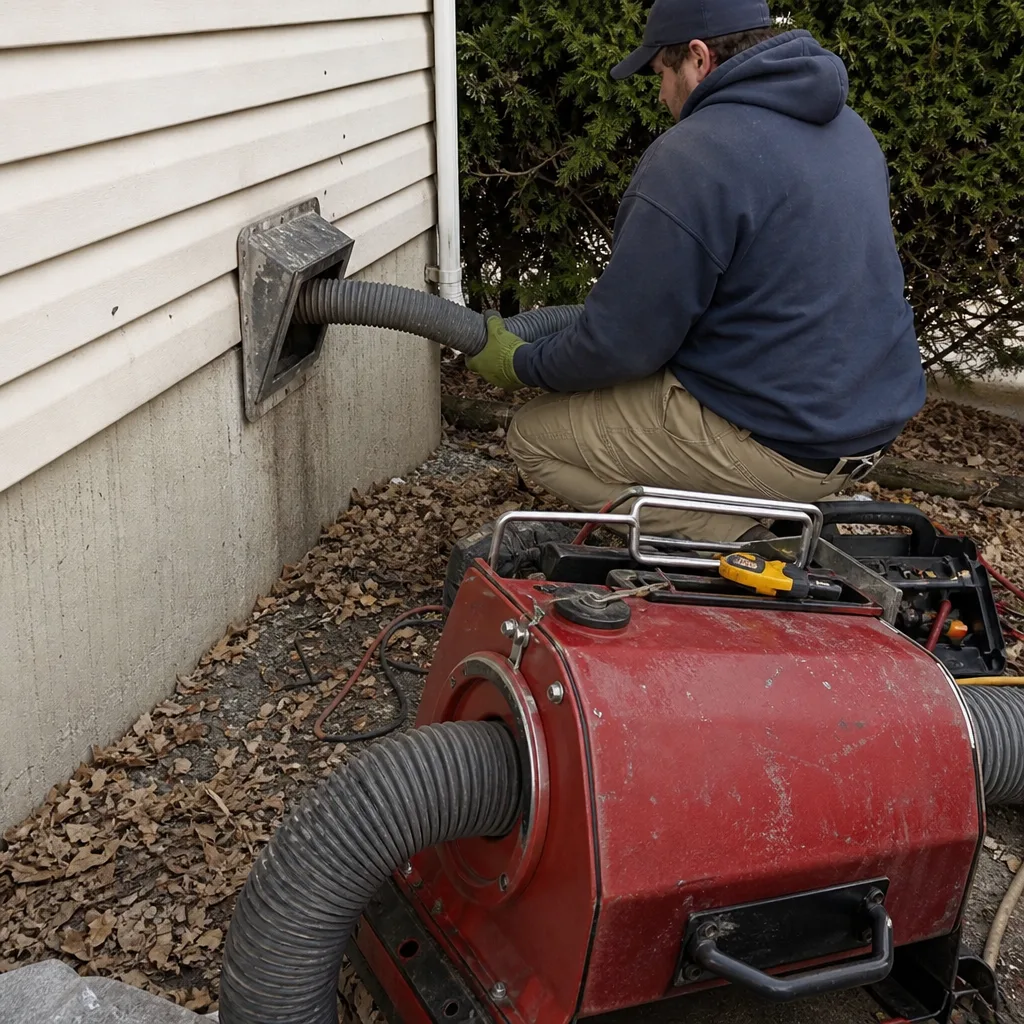 Before
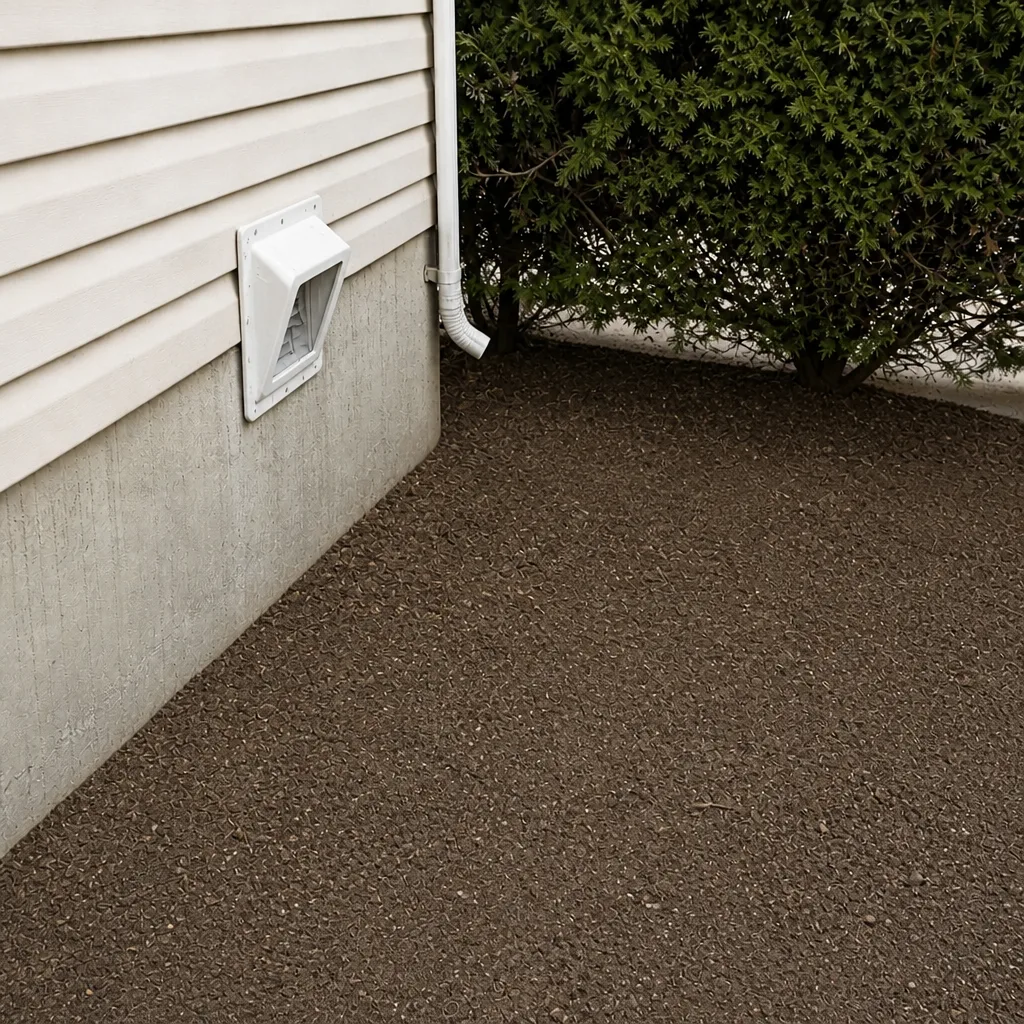 After
When to Call a Professional
Call a professional when the signal isn’t visible: musty odor when the system runs, water intrusion into the system, pest contamination, visible mold near registers, a household member with a respiratory condition, or a recent renovation that pushed fine dust into the duct system. Those aren’t cleaning decisions you can make from the register, and DIY work in those cases can push contamination in the wrong direction. The other clear signal is a dryer vent run that’s long, elbow-heavy, or terminates where you can’t inspect it – that’s fire-risk territory. If you’re unsure whether your situation falls into the professional category, a free estimate is the fastest way to find out. Duct Cleaning Provo offers free estimates in Provo. Call (877) 798-7857. We answer 24/7. Fast dispatch from 7am to 7pm, Sunday through Friday.
Frequently Asked Questions
Air duct cleaning in Provo is priced per system by a written estimate, not per vent, because system size and accessibility vary from home to home. Be cautious of advertised teaser prices – they’re often the bait-and-switch pattern where the quoted figure grows after the technician arrives. Call (877) 798-7857 for an exact quote – estimates are free, and the written estimate sets the final price.
Cheap quotes usually reflect one of three things: a portable shop vac in place of professional extraction equipment, a per-vent price that grows once you’re on the schedule, or a surface-only cleaning that skips the trunk lines entirely. A quote built around contractor-grade equipment, whole-system negative pressure, and a single flat price is doing different work than the lowest bid. Call (877) 798-7857 for an exact quote – estimates are free.
Ask for before-and-after photos of your own ducts, not stock images. A reputable service will document the actual work in your home, and the scope should be agreed in writing before anyone starts. If a crew can’t or won’t show you photos of your system, that’s the signal. Call (877) 798-7857 for an exact quote – estimates are free.
There’s no universal schedule, and the honest answer depends on the home. A system with pets, recent renovation, allergy sufferers, or a history of moisture intrusion accumulates debris faster than a system in a well-sealed home with regular filter changes. If it’s been more than a couple of years or you don’t know the system’s history, a professional assessment answers the question better than a general rule. Call (877) 798-7857 for an exact quote – estimates are free.
Visible lint at the exterior termination is something you can pull out manually. The longer and more complex the vent run, though, the less effective DIY reaches – and lint accumulation deep in a long or elbow-heavy run is the condition linked to home fire risk. Professional dryer vent cleaning is a safety service, not a cosmetic one. Call (877) 798-7857 for an exact quote – estimates are free.
Possibly. Duct repair is a separate service from duct cleaning, and it addresses structural problems – loose joints, crushed sections, punctured flex duct, disconnected runs – that create air loss and allow debris to enter the system. Cleaning a system with structural gaps cleans the ducts and leaves the source of contamination in place. An assessment tells you whether both are needed. Call (877) 798-7857 for an exact quote – estimates are free.
The Bottom Line
DIY work has a role: register cleaning, filter changes, visible dryer vent inspection, and post-renovation surface dust removal before professional extraction. But those tasks don’t reach the trunk lines or the return plenum, and no household vacuum can put a whole duct system under negative pressure. In Provo, where dry summers, winter inversion, and a mix of older metal ductwork and newer flex systems all affect what’s actually inside the ducts, the choice is less about effort and more about what equipment can reach. When the signal is musty odor, moisture, pest activity, post-renovation dust, or a respiratory concern, professional cleaning is the right call. Duct Cleaning Provo uses Rotobrush contact cleaning, Nikro extraction, and Abatement Technologies containment equipment so the whole system is cleaned under negative pressure, not just the part you can see.
If you’re ready to schedule, call (877) 798-7857 for a free estimate. We answer 24/7. Fast dispatch from 7am to 7pm, Sunday through Friday.
Written by the team at Duct Cleaning Provo.