
Last updated November 16, 2026
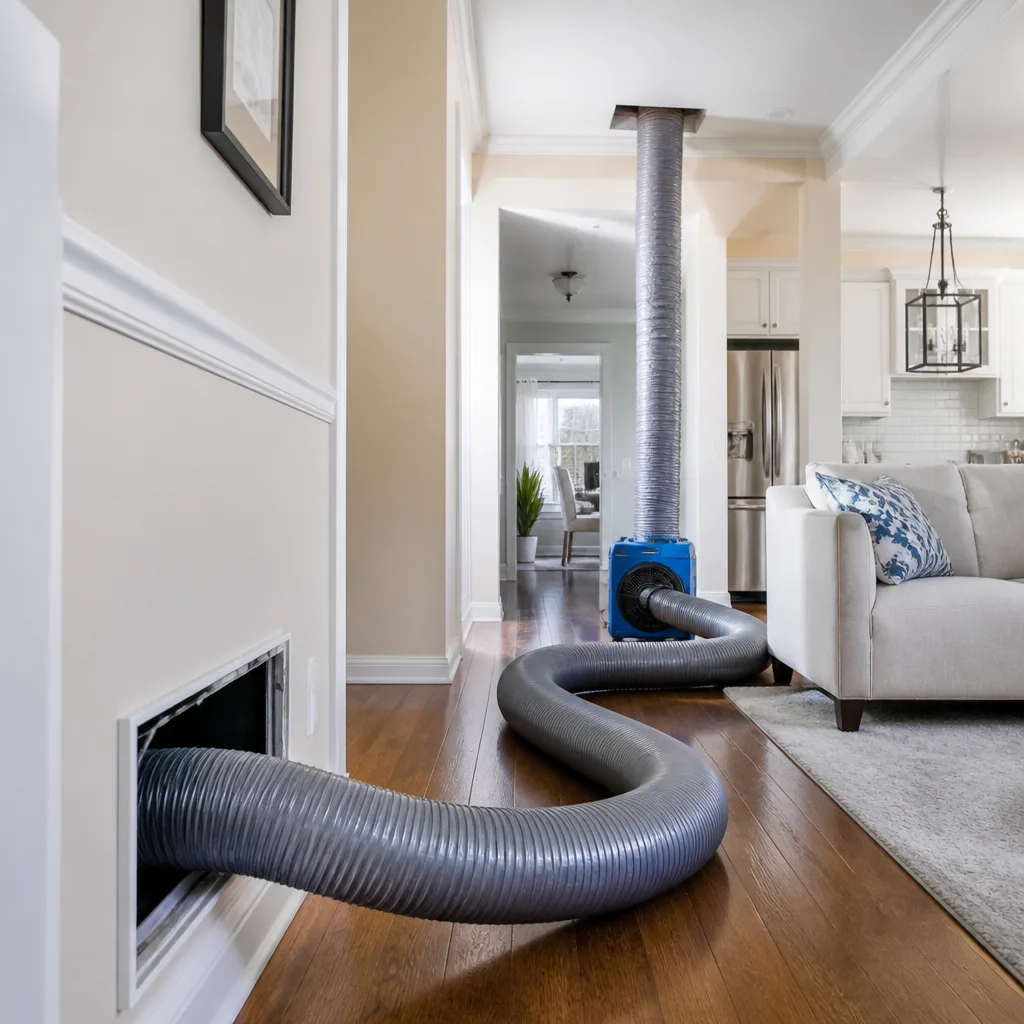 Whole-home duct cleaning
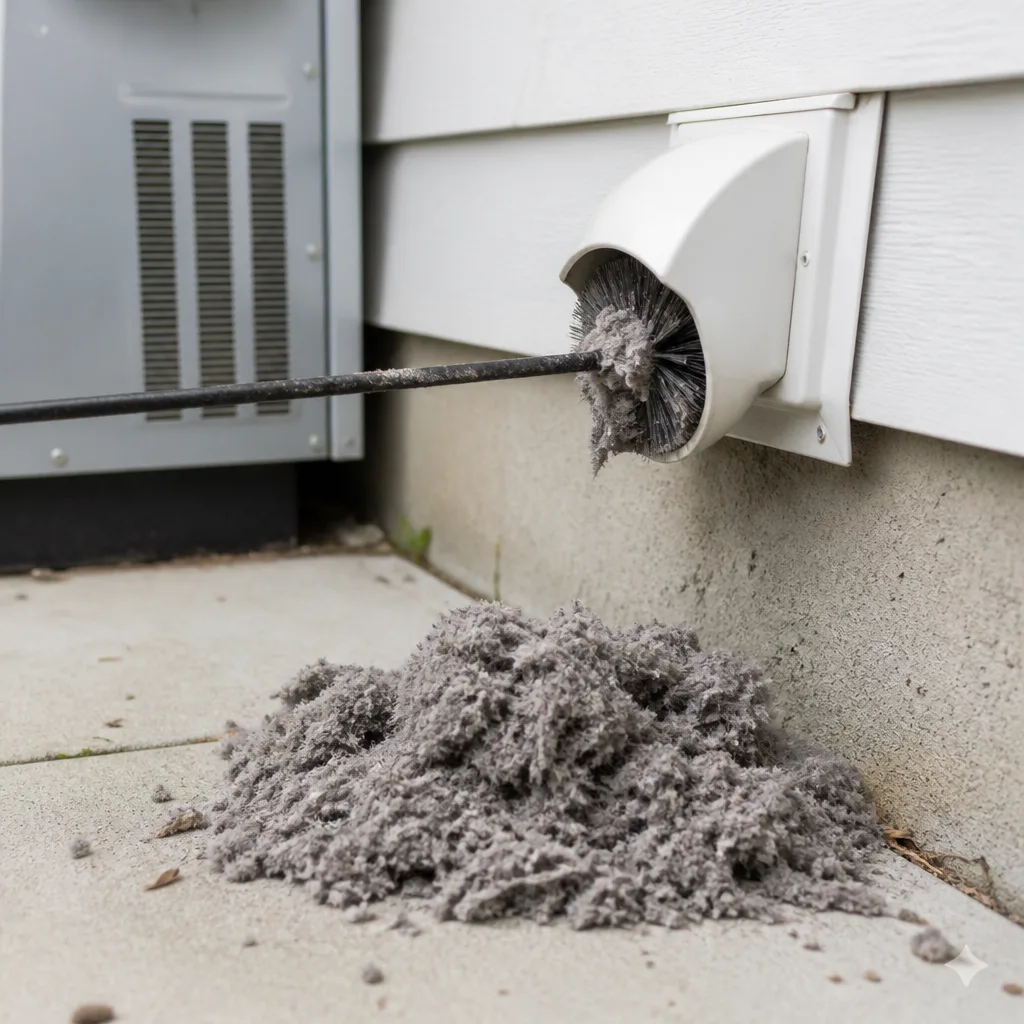 Dryer vent cleaning
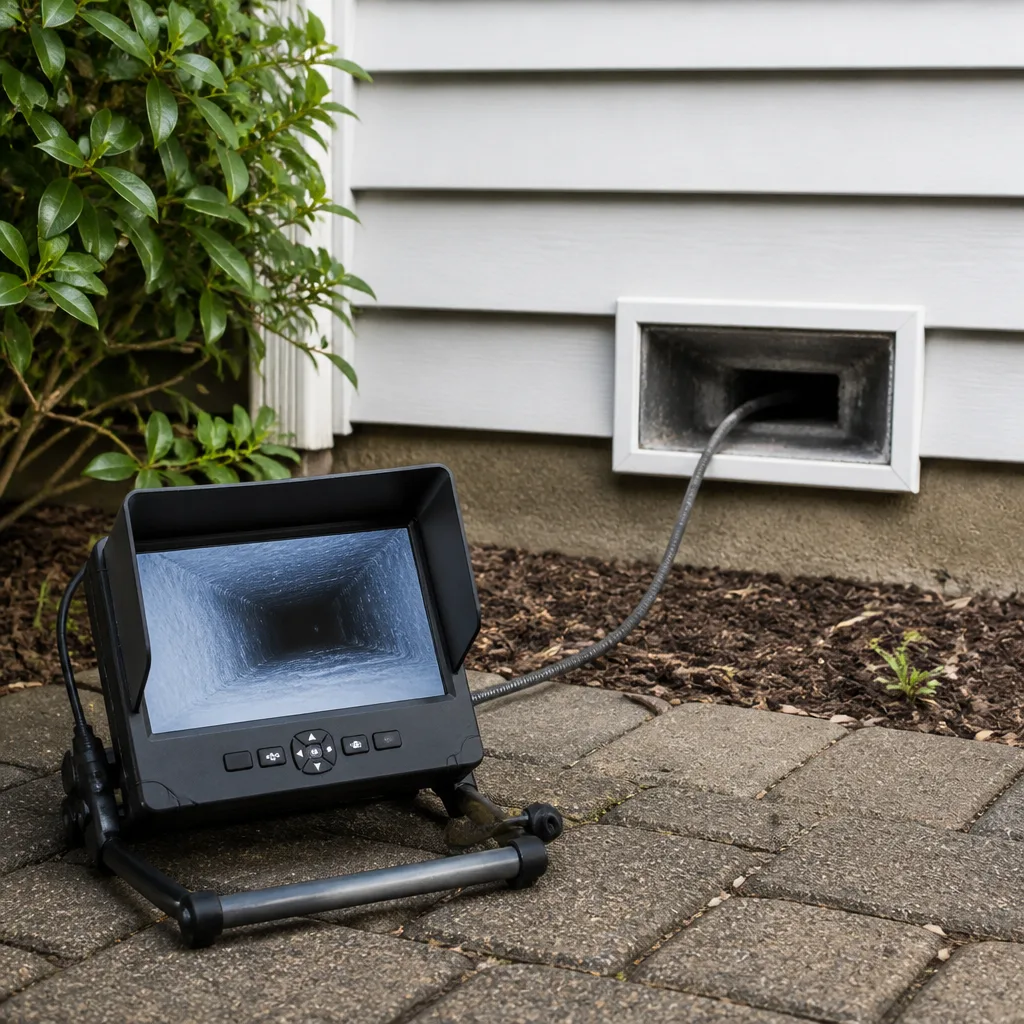 Camera inspection
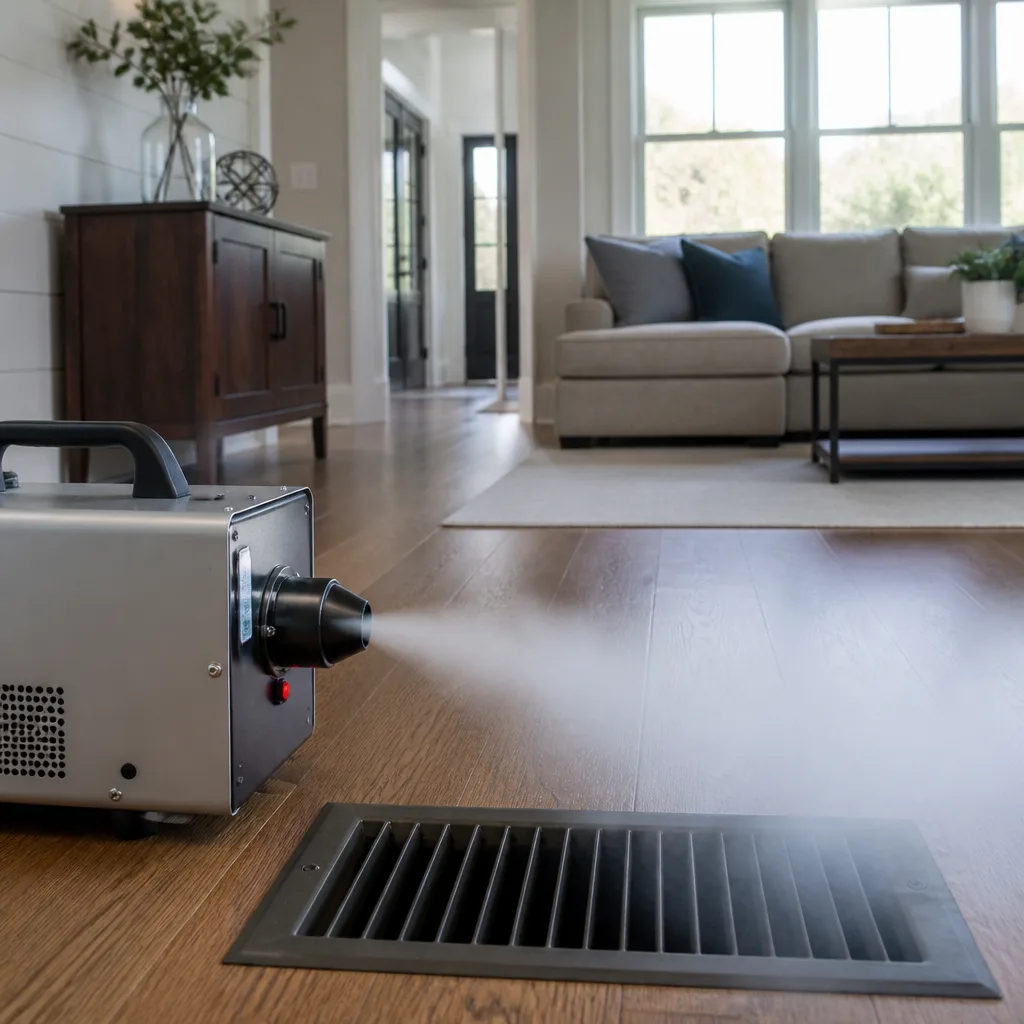 Sanitizing & deodorizing
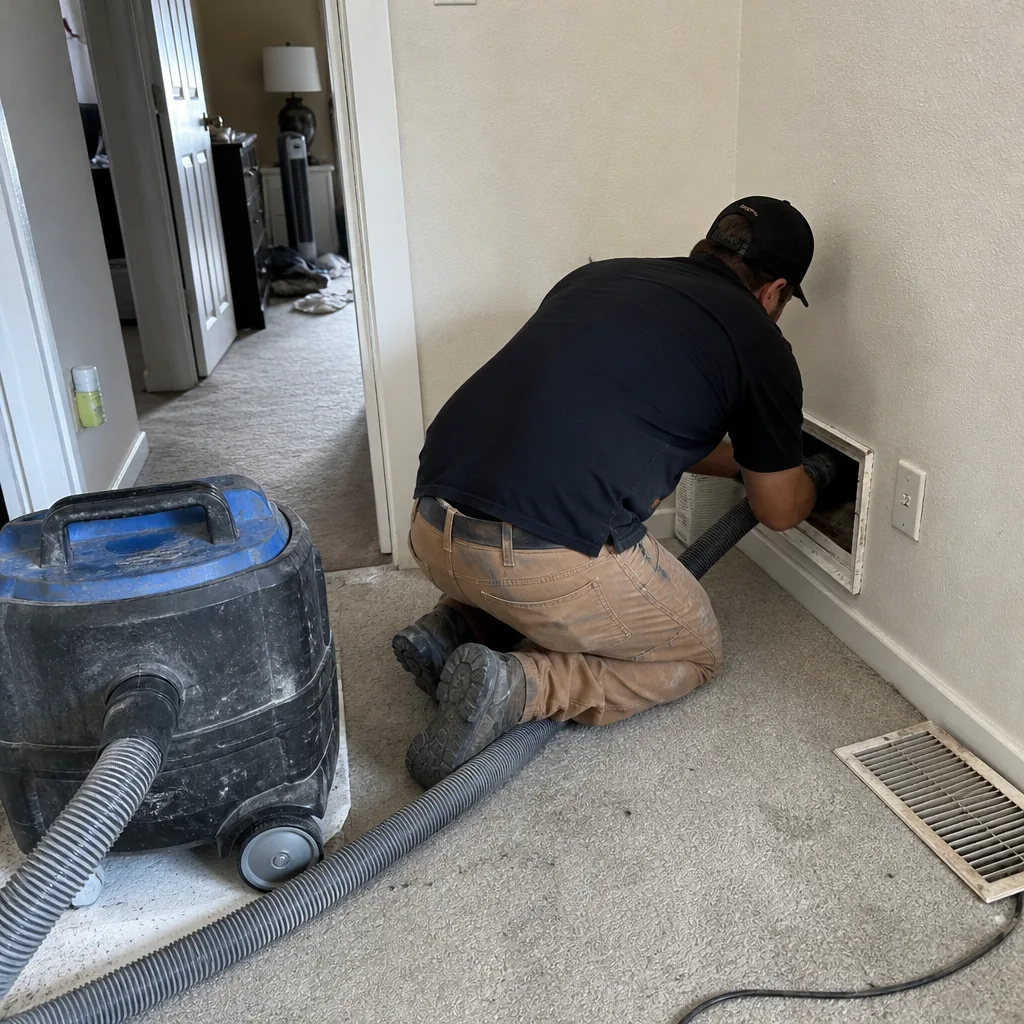
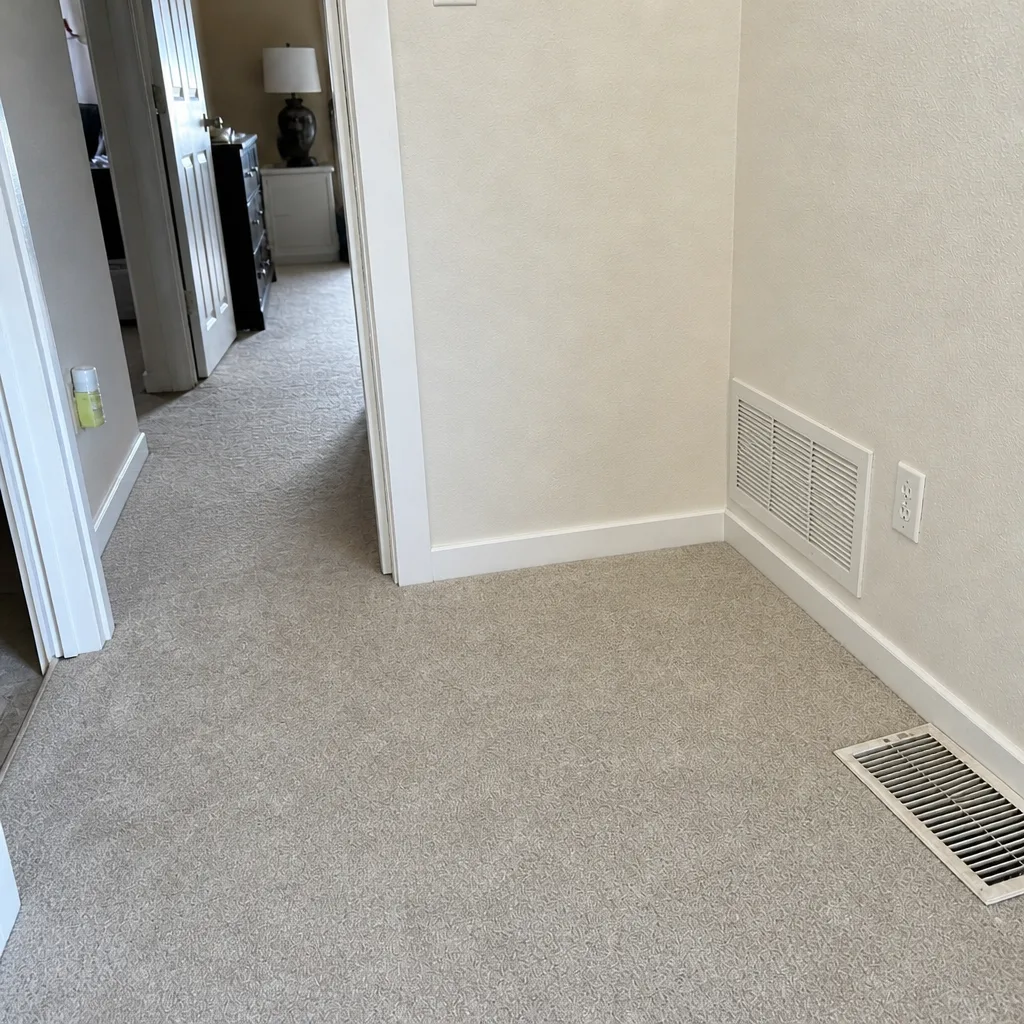
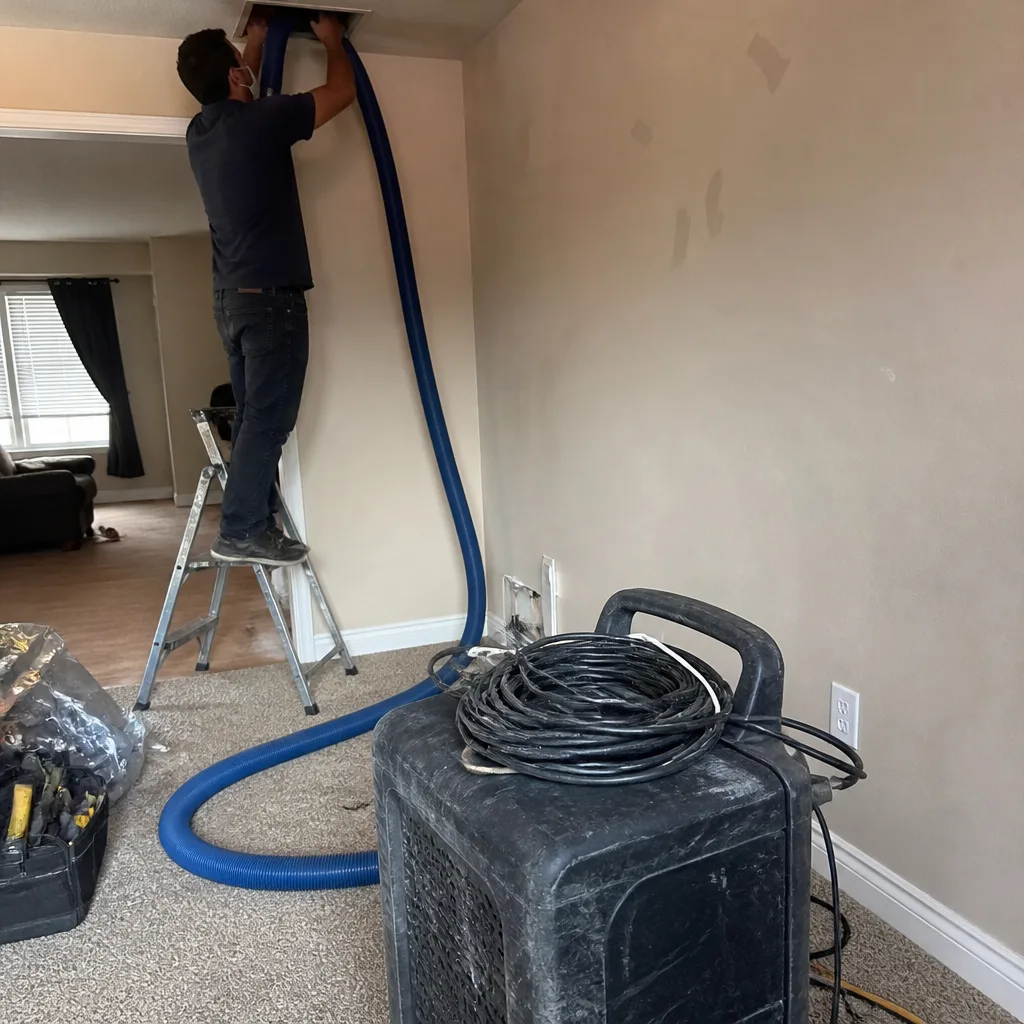
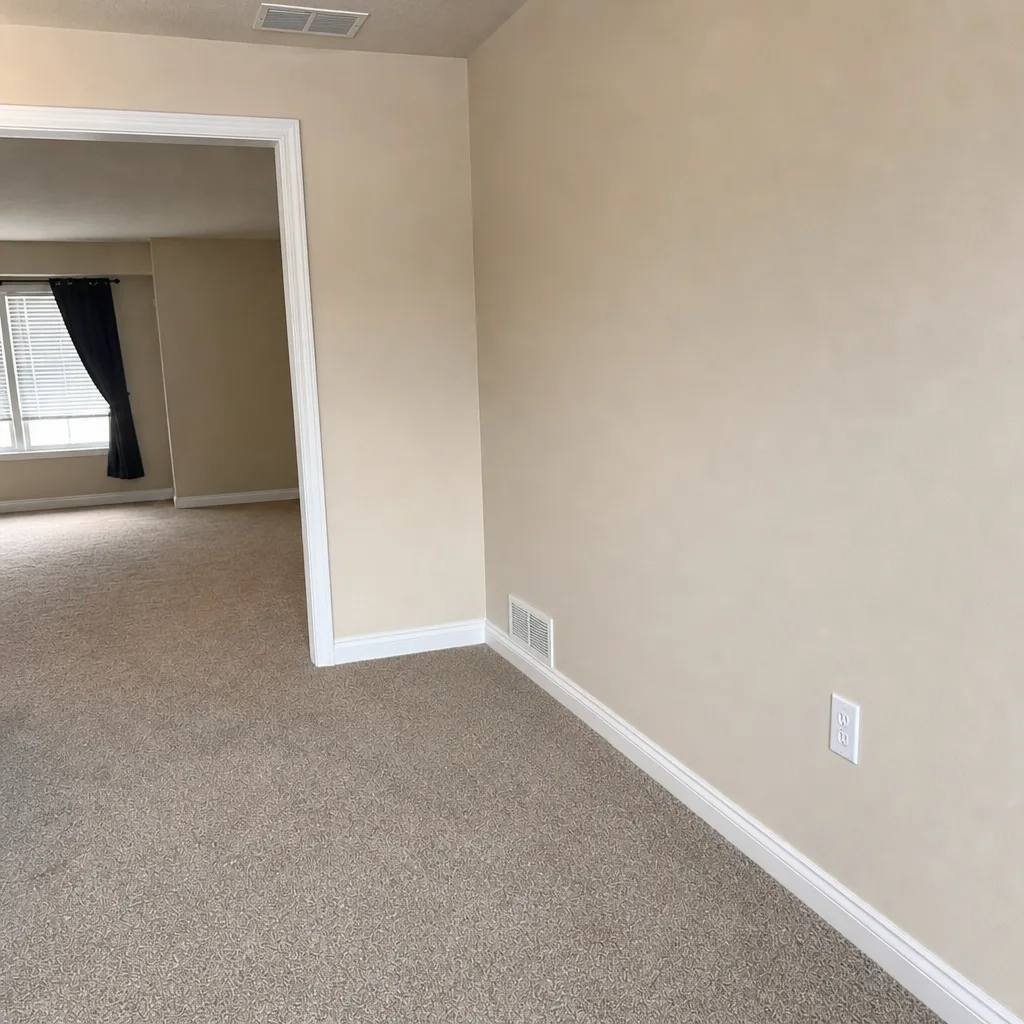
Whole-system duct and dryer vent check with before-and-after photos - you see exactly what came out of your vents
That "$99 whole-house special" is a bait ad - the real number appears once they are in your hallway, or the "clean" is a shop-vac at the register. We photograph the inside of your ducts before and after instead.
Air Duct Cleaning Emergency Preparedness Guide for Provo Homes
Most duct cleaning advice assumes the problem is dust. In Provo, the emergencies that actually put a duct system at risk come from two directions: water that arrives from the mountains in spring, and smoke that arrives from the mountains in fire season. The counterintuitive part is that neither one requires you to clean your ducts the next morning. Flood water and wildfire smoke need different responses, on different timelines, and the wrong first move can turn a contained problem into months of contaminated airflow. This guide lays out what to do after each type of event, how to document the damage, how Provo’s summer humidity affects mold growth inside ducts, and the one piece of information worth writing down before anything goes wrong.
Quick Answer
After a flood that touched ductwork, don’t run the HVAC system until a professional inspects the affected sections; if water contact was significant, call a water-damage or remediation contractor before a duct cleaner. After a multi-day smoke event, have the air handler and evaporator coil inspected first, then clean the ductwork. Mold can establish on duct liner within 24 to 48 hours in Provo’s muggy summer conditions, so speed matters for water. Document everything with photos before and after.
Styles & brands we work with
- Whole-home duct cleaning
- Dryer vent cleaning
- Camera inspection
- Sanitizing & deodorizing
Table of Contents
- Post-Flood Duct Protocol for Provo Homes
- Who to Call First After Water Touches Your Ducts
- Wildfire Smoke Infiltration: What Settles and Where
- The Mold Growth Timeline in Flood-Affected Ductwork
- How to Document Duct Condition for an Insurance Claim
- Pre-Emergency Preparedness: The One Thing to Know
- The Inspection Sequence After Any Duct Emergency
- When Cleaning Isn’t Enough: Structural Duct Repair
Post-Flood Duct Protocol for Provo Homes
Spring snowmelt in Utah County sends water into basements and crawl spaces in Provo on a predictable schedule, and it tends to find the lowest duct runs first. If your ducts sit in a basement, crawl space, or slab void and standing water reached them, the next hour matters more than the next week.
Here’s the sequence:
- Shut the system off. Don’t run the fan or call for heat until the affected sections are inspected. Running the blower on wet ductwork pushes whatever is growing in that moisture through every register in the house.
- Photograph everything. Water line on the duct, standing water depth, damaged insulation, registers, and the furnace or air handler panel. Take wide shots and close-ups. This documentation is what an insurance adjuster will ask for.
- Get the water out and dry the space. Standing water needs removal and mechanical drying. A duct cleaner does not pump water or run dehumidification; this is remediation work.
- Have a remediation or water-damage professional assess the equipment. If water reached the furnace cabinet, blower, or evaporator coil, a qualified HVAC technician or remediation contractor needs to evaluate whether the equipment is safe to run at all.
- Once the space is dry, schedule an air duct cleaning inspection. That’s when you need us, not before. At that point, air duct cleaning with contact agitation and negative-air containment is the right tool for the debris and microbial matter left behind.
The order matters because cleaning before drying just wastes the cleaning. Contaminants grow back in the residual moisture within days. In Provo, where the ground stays cold after the melt and interior humidity can climb during late spring rain, drying takes longer than homeowners expect.
Who to Call First After Water Touches Your Ducts
If water made significant contact with ductwork (standing water inside or against the duct, saturated fibrous liner, or water in the air handler), a duct cleaning company is not the right first call. Call a water-damage remediation contractor or your insurer’s claim line. Duct cleaning comes after the structure is dry.
That’s not a sales dodge. Duct cleaning addresses debris, particulate, and surface contamination inside a system. Water intrusion is a building-materials problem: saturated drywall, wet insulation, standing water, and the microbial growth that follows. Remediation contractors are equipped and certified for that scope. Once the water is gone and moisture readings are back to normal, duct cleaning picks up where remediation ends.
The reason this distinction trips people up is the “minimal” water case. If a puddle touched only the exterior of a duct run and dried within a day, you may not need a full remediation job. The judgment call comes down to three questions:
- Did water enter the interior of the duct? If yes, treat it as contamination.
- Is the duct lined with fibrous material? Liner holds moisture and cannot be cleaned to a dry standard once saturated.
- Has more than 24 hours passed since the water event? In Provo’s summer humidity, that’s enough time for mold to begin establishing.
If any answer points toward contamination, get both a remediation assessment and a duct inspection. When the system is dry and the structural issues are resolved, our team can handle duct cleaning in Provo with the containment and agitation equipment the job needs.
Wildfire Smoke Infiltration: What Settles and Where
After a multi-day smoke event, the first thing to inspect is not the ducts. It’s the air handler and the evaporator coil, because that’s where fine particulate tends to accumulate before it reaches the supply ducts, and it’s where a clogged coil can cause real equipment problems.
Smoke doesn’t behave like dust. It’s made of fine and ultrafine particles that stay airborne longer, travel further into the system, and settle onto every surface the air touches. In a Provo home during a Red Air Quality event, that means:
- The return grilles and return plenum collect the first heavy deposition.
- The evaporator coil acts like a filter, and a loaded coil is a smoke trap that stays loaded long after the smoke clears. Oily soot from wood smoke can stick to the coil fins.
- Duct surfaces, especially flexible duct with a textured liner, hold a fine film that surface vacuuming doesn’t remove.
- Whole-home air quality components – Aprilaire and Honeywell media filters, humidifiers, and ventilators – need their own inspection and filter change, and the schedule is different for a smoke event than for regular maintenance.
The inspection sequence after a smoke event:
- Change the filter. Note how dark and displaced it is.
- Inspect the evaporator coil through the access panel and photograph its condition.
- Inspect the return ducts at the grilles and the plenum.
- If the coil or return plenum shows heavy deposits, clean the duct system with contact agitation, not just a shop vac pass.
- If any smart or media air quality unit is part of the system, follow the manufacturer’s guidance for a post-smoke reset.
Provo sits in a valley, and smoke from regional fires can pool under inversion conditions for days before clearing. That’s the deposition window that matters.
The Mold Growth Timeline in Flood-Affected Ductwork
In Provo’s summer humidity, mold can begin establishing on interior duct liner within 24 to 48 hours of water contact. That window is short, and it’s the reason drying comes before cleaning.
A generalized timeline helps homeowners understand the urgency:
- Hours 0 to 24: moisture is absorbed into the duct surface, the insulation jacket, or the porous liner. No visible growth yet. This is the easiest window to prevent problems.
- 24 to 48 hours: mold spores already present in the environment (and in dust) begin to colonize the wet surface. Fiberglass liner and flex duct insulation are the most vulnerable.
- 48 hours to two weeks: visible growth and growth smell develop. Because that material is now a reservoir, running the HVAC spreads spores through the house every time the blower engages.
- Beyond two weeks: the duct liner may be too compromised for cleaning to be effective. Sections with saturated, colonized liner need to be replaced, not cleaned.
Two things Provo homeowners should know. First, sheet metal ducts with water inside them are usually cleanable once dry – the metal can be scrubbed and sanitized. Second, fibrous liner and insulated flex duct that’s stayed wet for more than a couple of days often cannot be cleaned to a dry standard, and duct repair or section replacement is the correct answer.
That’s part of why we carry abatement equipment and why we separate air duct repair from cleaning as a standalone service. Cleaning a saturated duct with a compromised liner is masking the problem, not fixing it.
How to Document Duct Condition for an Insurance Claim
Documentation is the difference between a straightforward claim and repeated denials. Capture the duct system condition before any emergency work, right after, and after cleaning, and keep the three sets separate.
Here’s what to capture, and how:
- Pre-loss condition. If you already have photos of registers, vents, and the furnace area from before the event, you’re ahead. If not, capture what you can of surrounding unaffected rooms and the general duct configuration.
- Immediate post-event. Photograph water lines on ducts, standing water, saturated insulation, displaced or fallen duct runs, and any visible soot or ash on registers and grilles. Include a dated phone or newspaper in at least one wide shot per area.
- Equipment data. Photograph the furnace or air handler nameplate (model and serial), the air filter before removal, and the evaporator coil.
- The inspection report. Ask for a written inspection or cleaning report with photographs of the interior ducts before and after work. Professional cleaning should include before-and-after photos of the same duct sections – the same standard we hold ourselves to.
- The invoice and method. Your insurer will want to know what cleaning method was used, whether containment was used, and what equipment. Contact cleaning with a negative-air setup clears the bar. A shop vacuum pass does not.
- Contractor credentials. Keep the name and contact details for each professional who touched the system.
Keep all documentation digital and organized by date. Claim adjusters work from documentation, and without photos, the “before” condition effectively doesn’t exist.
Pre-Emergency Preparedness: The One Thing to Know
Before an emergency, the single most useful thing to know about your duct system is the duct material type and the location of every access point. If you can tell a professional “flex duct, two trunk lines, access panels in the utility room and the crawl space,” the response is faster and more accurate.
Here’s what to write down now:
- Duct material by section: rigid sheet metal, flex, insulated flex, or lined metal.
- Access points: utility room, crawl space, attic hatch, registers where a camera can travel.
- Air handler and coil model: photo of the nameplate, stored on your phone.
- Filter sizes and media type: standard, media cabinet, or integrated unit.
- IAQ equipment inventory: Aprilaire humidifier, Honeywell ventilation or dehumidification unit, Guardsman access hardware, or any other whole-home component, with model numbers.
Provo homes run the gamut from mid-century ranch houses with sheet metal trunk lines to newer builds with flex duct runs in conditioned attics. The materials and access setup change what an emergency response looks like, and having the facts in hand means the first call to a professional is a productive one. Store a photo of the nameplate and a hand-drawn sketch of the layout on your phone. It takes ten minutes, and it makes every future call faster.
The Inspection Sequence After Any Duct Emergency
After any event (water, smoke, storm, or earthquake), inspect the system in this order. It’s the same sequence professionals use, and the logic is simple: check the equipment before you trust the distribution.
- Air handler and furnace cabinet. Look for water lines, soot, or displacement. If water is present inside the cabinet, stop and call a remediation contractor or HVAC service first.
- Air filter. Photograph it, then replace it. A loaded filter after a smoke event tells you the coil upstream is loaded too.
- Evaporator coil. Inspect visually and photograph. Oily soot and matted dust on the fins reduce airflow and cooling performance.
- Return plenum and grilles. The heaviest deposition typically lands here first.
- Supply trunk and branch runs. Look for disconnected joints, crushed flex duct, fallen runs, and standing water.
- Registers throughout the house. Note any that show soot, water staining, or heavy dust.
- IAQ components. Humidifiers, ventilators, and media cabinets need their own inspection and reset.
Once you’ve inspected, you’ll know whether the problem is contaminants (schedule cleaning), structural damage (schedule repair), or water intrusion (call remediation). Document every step. Then call Provo duct professionals who can look at it with you and tell you honestly which category you’re in.
When Cleaning Isn’t Enough: Structural Duct Repair
Cleaning fixes contaminants. It doesn’t fix a duct that’s disconnected, crushed, collapsed, or water-damaged beyond cleaning. Duct repair is a separate service for exactly that reason: it addresses the structural root causes of air loss and contamination rather than the symptoms.
Signs your system needs repair, not just cleaning:
- Rooms that don’t get the airflow they should, especially after a renovation or an equipment change.
- Visible disconnected or collapsed flex duct in the crawl space or attic.
- Sagging or saturated insulation on duct runs.
- High dust levels that return quickly after cleaning.
- Unusual noise at the registers or from the air handler.
In Provo, older crawl spaces and basement runs take the worst of it. When a duct is damaged, cleaning it does no lasting good; the crack or gap pulls contaminated air into the system between cleanings. Structural repair first, then cleaning, gets a system back to a standard it can hold.
Our dryer vent cleaning service follows the same principle. A clogged or crimped dryer vent is a fire risk, and the fix is clearing the obstruction and the damaged run, not just vacuuming the mouth of the duct. The NFPA links dryer vent cleaning directly to reduced home fire risk, and that’s one safety item worth scheduling on a regular basis.
Common Mistakes to Avoid
- Running the HVAC while ducts are still wet. This spreads whatever is growing across every room in the house. Wait for inspection and drying, then run the system.
- Calling a duct cleaner before a remediation contractor after significant water contact. Cleaning before the structure is dry wastes money and time. Remediation restores dryness; dust cleaning restores the duct interior.
- Assuming a shop vacuum is a duct cleaning. Consumer vacuums don’t agitate the interior surface, don’t create negative-air containment, and can push fine dust back into the home. Professional equipment with contact cleaning is the standard.
- Skipping the evaporator coil inspection after a smoke event. Smoke deposits on the coil long before it reaches the supply ducts. Cleaning ducts without checking the coil leaves the main reservoir in place.
- Not photographing the before-condition. Without photos, the pre-loss condition of the duct system doesn’t exist as far as the insurance claim is concerned. Photograph first, then act.
- Using a low coupon price as the decision criterion. A per-vent or teaser price rarely reflects the actual scope of the job. Ask for a whole-system estimate in writing before work begins.
- Ignoring the dryer vent. Dryer vents are the duct run most directly tied to fire safety, and they’re the one most often forgotten in home emergency planning.
See the difference
 Before
 After
 Before
 After
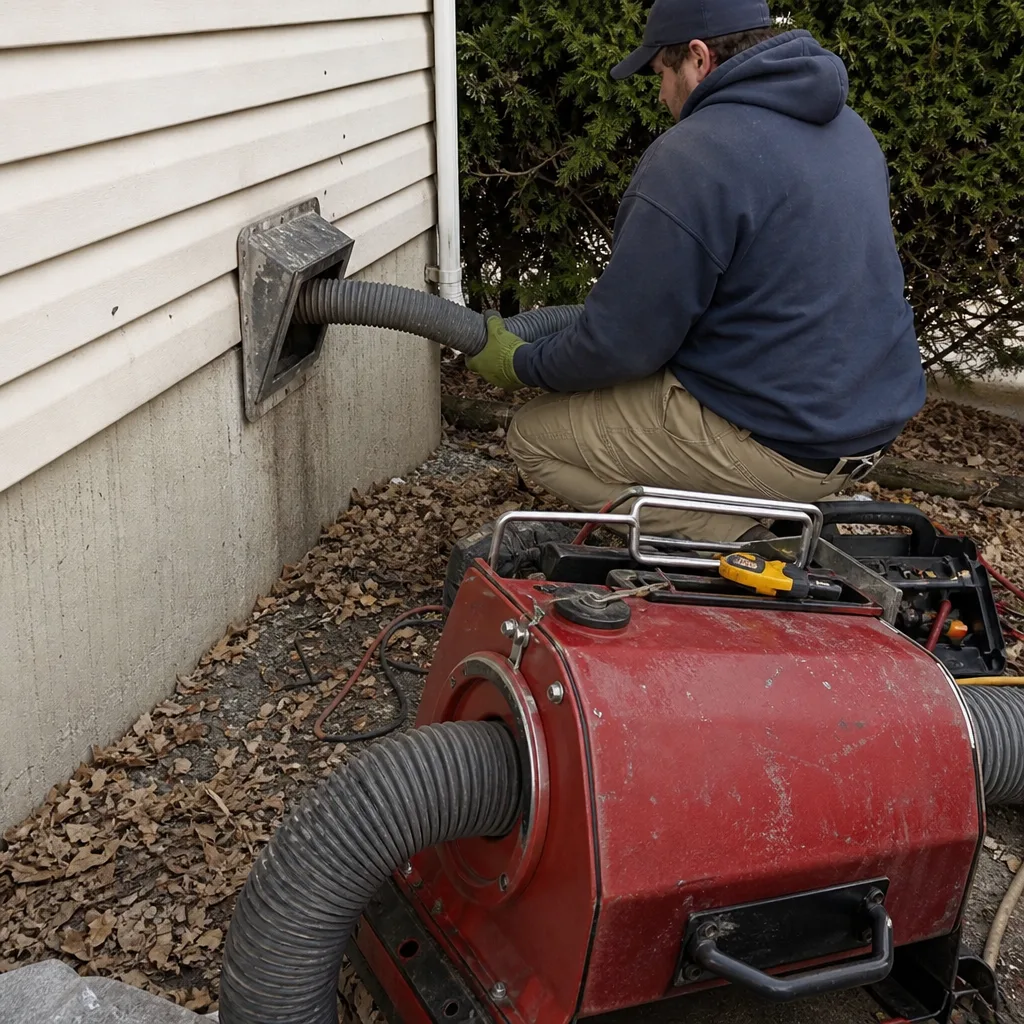 Before
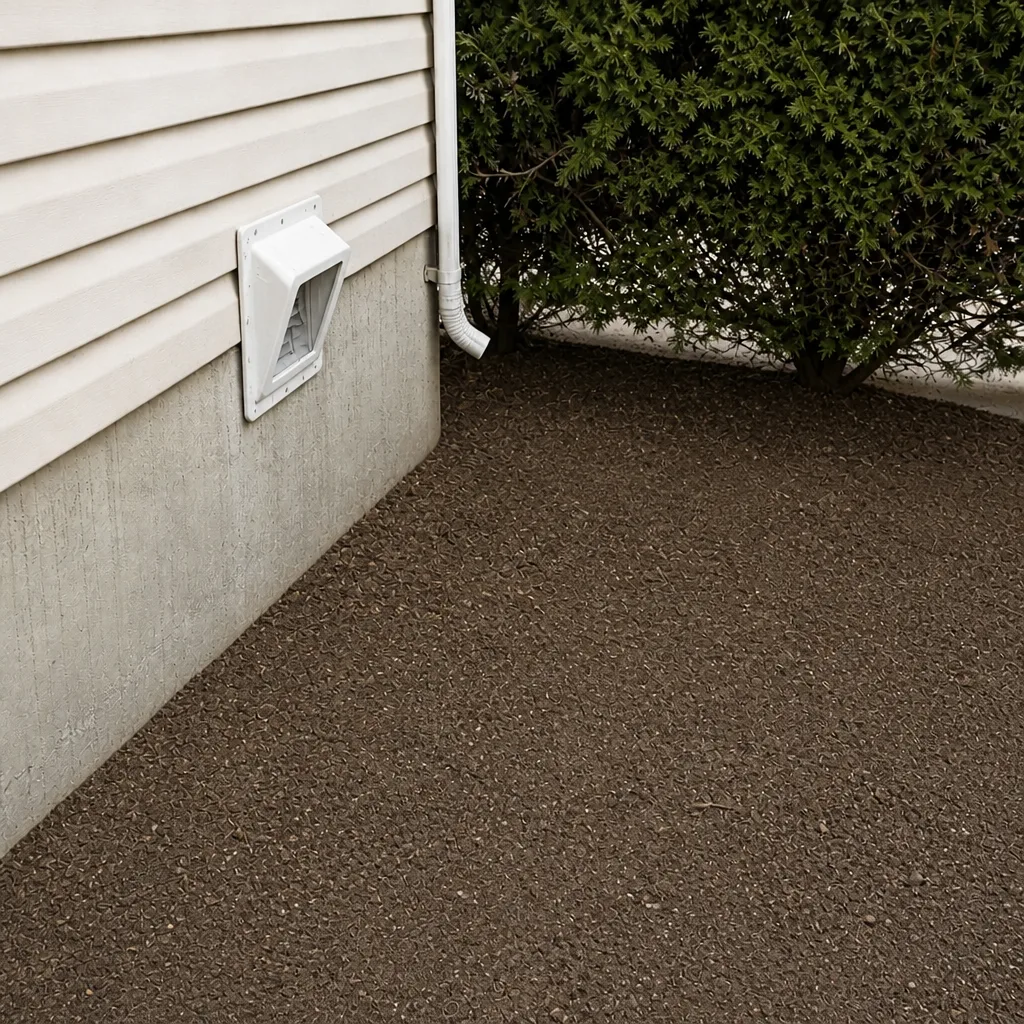 After
When to Call a Professional
Call a professional when water has visibly touched the ductwork, when a smoke event lasted more than a day or two, when you smell an odor from the vents after an event, or when a register shows water staining or soot. Call, too, if a duct has been visibly disconnected or crushed, or if the system’s performance changed after a storm or renovation. These aren’t jobs for a consumer vacuum and a Saturday afternoon. Duct Cleaning Provo offers free estimates in Provo – call (877) 798-7857. We answer 24/7. Fast dispatch from 7am to 7pm, Sunday through Friday.
Our technicians have up to experience, and we work with Rotobrush contact-cleaning systems, Nikro professional equipment, and Abatement Technologies negative-air containment: the same tools remediation contractors trust. Every job is a flat price per system agreed before work begins, and you get before-and-after photos of your own ducts.
Frequently Asked Questions
Once the structure is dry and a remediation contractor has cleared the space, schedule duct cleaning within days, not weeks. Mold can establish on duct liner within 24 to 48 hours of water contact in Provo’s summer humidity, so the cleanup window is short. Call (877) 798-7857 for an exact quote – estimates are free.
Yes, but only after a filter change and an evaporator coil inspection. Running the system with a loaded coil and soot-covered return plenum moves that contamination through the house. If you can’t inspect the coil yourself, have a professional check it before the system runs for a full cycle. Call (877) 798-7857 for an exact quote – estimates are free.
Typical estimates in the Provo market fall in the $350 to $700 range for a whole-house system, depending on the number of runs, access difficulty, duct material, and whether post-emergency containment is needed. Prices above that usually reflect heavier contamination, damage, or a system with multiple air handlers. We don’t quote per-vent prices. The written estimate sets the final price, and the estimate itself is free. Call (877) 798-7857 for an exact quote.
Low quotes usually skip the equipment that makes the job work: contact agitation, negative-air containment, and the time to do each run properly. A shop vacuum pass doesn’t remove the debris adhered to duct surfaces, and a coupon price often expands into a much larger invoice once the technician is on site. Look for a whole-system, flat-price estimate in writing before any work begins, and expect before-and-after photos. Call (877) 798-7857 for an exact quote – estimates are free.
Ask for before-and-after photographs of the same duct sections, a written report of what was cleaned and what method was used, and the job invoice with the agreed price. A professional cleaning uses contact agitation and containment, and can document both. If a company can’t provide photos of the interior of your ducts, that’s a reason to ask questions. Call (877) 798-7857 for an exact quote – estimates are free.
Most homes do well with cleaning every three to five years, or sooner after a water event, a heavy smoke event, a renovation, or a move-in. Homes with pets, allergy-sensitive residents, or recently finished basement construction tend to need it more often. It’s a scheduled maintenance item, not a repair. Call (877) 798-7857 for an exact quote – estimates are free.
The Bottom Line
Two kinds of emergencies put Provo duct systems at risk, and each has its own correct response. Water in the ducts needs remediation and drying before any cleaning, because mold can take hold within a day or two in Provo’s summer humidity. Smoke infiltration needs an air handler and evaporator coil inspection before a duct cleaning, because the coil is the real reservoir. In both cases, photograph everything first, and know your duct material and access points before anything goes wrong. Cleaning fixes contaminants. Duct repair fixes the structure. Call the right one at the right time, and a bad event doesn’t become a bad year for your indoor air.
Call (877) 798-7857 for a free estimate. We answer 24/7. Fast dispatch from 7am to 7pm, Sunday through Friday.
Written by the team at Duct Cleaning Provo.